Add Us On Google

Sometimes, making a retirement plan is straightforward; other times, quietly shifting 401(k) rules or regulatory changes can catch retirees by surprise. Often, these updates are buried in legislation, and most people don't know about them unless they closely follow retirement news or see the headlines after a change becomes permanent.
Changes in 401(k) policies, new proposals, and adjustments to how contributions are taxed can all affect workers, especially those nearing retirement.
Here are some upcoming changes that American workers need to be aware of. Some might be beneficial, but others might cause them to rethink their retirement plans.
Now Available: The Definitive Guide to Retirement Income
Many successful investors eventually reach the same moment. The saving is done, the portfolio is built, and the question quietly changes from how much can I grow this to how much can I take out? Get that second question wrong and decades of good investing can come apart in a handful of years.
That is exactly what The Definitive Guide to Retirement Income helps answer.1 <p class="">Investing in securities involves a risk of loss. Past performance is never a guarantee of future returns. Investing in foreign stock markets involves additional risks, such as the risk of currency fluctuations. Guides are provided by Fisher Investments. The publisher may be compensated when readers request a guide.</p> It covers what your retirement could actually cost, which income sources are worth using, and the withdrawal math that decides whether the money lasts. It is free today from Fisher Investments. Read More Here ›
A slow, but meaningful change to 401(k) rules
It takes significant legislation to change 401(k) rules. For example, the SECURE 2.0 Act became law in 2022. However, it included a slow rollout of specific changes that didn't take effect for years.
Some of these changes have become more widespread, such as automatic 401(k) enrollment for employees. There are also dozens of other provisions, including changes to the required minimum distribution (RMD) age, contribution limits, and more.
Catch-up contribution limits increased - with a caveat
One of the more subtle changes that has a big impact concerns how catch-up contributions affect taxes.
High-income employees who earn more than $150,000 per year must make catch-up contributions as Roth contributions rather than traditional 401(k) contributions. That means high earners who relied on their catch-up contributions to lower their taxable income are no longer able to do so. However, the silver lining is that, as long as these workers meet certain qualifications in retirement, they can withdraw from their Roth accounts tax-free.
New RMD rules affect retirement planning
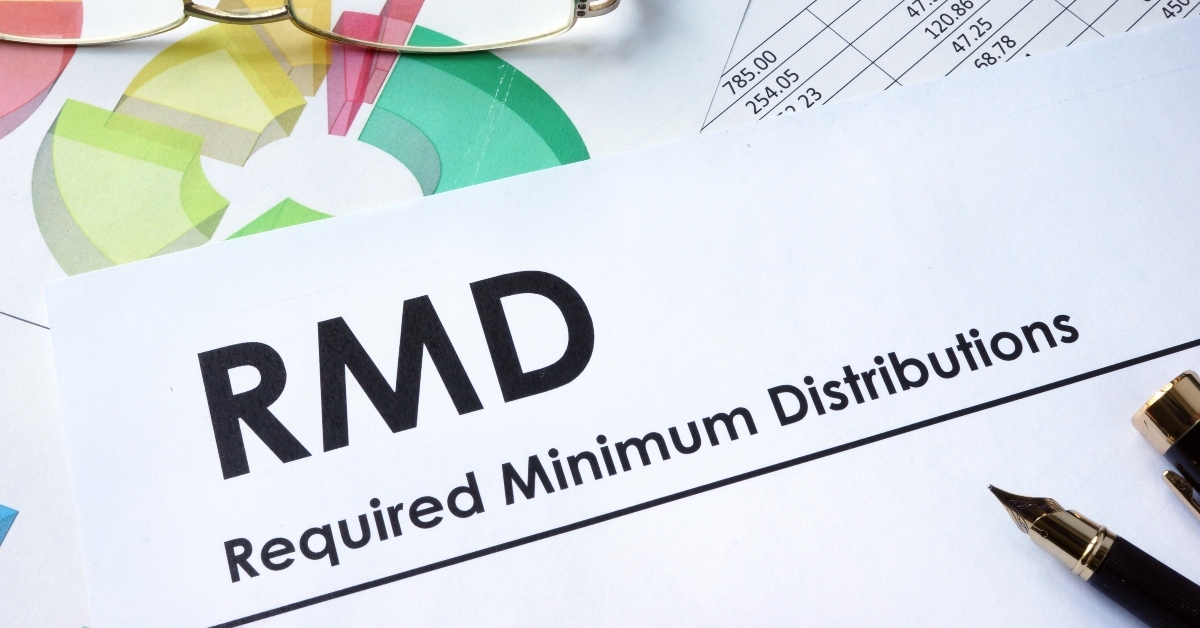
RMDs (required minimum distributions) begin at age 73 under the new SECURE Act 2.0 legislation. In 2033, that will rise to 75.
Although this is generally seen as a positive update, it can complicate retirement planning. Retirees unsure whether to delay distributions until a specific age should consult a financial planner and an accountant to determine how this change will affect them.
Released: The Definitive Guide to Retirement Income
Most people spend their entire working lives focusing on one thing: growing a pile of money. Then they retire and discover the skill they actually need is close to the opposite. Turning that pile into steady income, year after year, through good markets and bad, without ever running out. It may be the least discussed and most consequential transition in personal finance, and plenty of otherwise careful investors walk into it with no real plan.
That is exactly what The Definitive Guide to Retirement Income helps answer.1 <p class="">Investing in securities involves a risk of loss. Past performance is never a guarantee of future returns. Investing in foreign stock markets involves additional risks, such as the risk of currency fluctuations. Guides are provided by Fisher Investments. The publisher may be compensated when readers request a guide.</p> It is a free guide from Fisher Investments covering what your retirement will really cost, where the cash flow should come from, and how much you can safely withdraw each year. Learn More Here ›
The potential for alternative investments
In August 2025, President Trump issued an executive order directing the Department of Labor and the SEC to research the potential impact of allowing private equity and other alternative investments in 401(k) plans.
However, as of October 2026, 401(k) plans only include what's considered more straightforward investments, like mutual funds, index funds, and similar assets, even though legislation for alternative assets was introduced in March 2026. Changing the assets allowed in 401(k) plans could have a big impact on workers, especially those who may not be well-versed in making their own investment choices.
The drawbacks of alternative investments
According to a Government Accountability Office report, 40% of Americans don't understand their 401(k) fees. This is likely because 401(k) fees are often hard to find and are often buried in a stack of plan paperwork.
Many workers also struggle with understanding 401(k) investment choices, employer matches, and more. That's why many congressional leaders are concerned about the possibility of including alternative investments in 401(k) plans. They argue that some workers might unknowingly invest in assets without understanding potential volatility.
Why these changes can hurt retirees
Retirees or those very near retirement may be disproportionately affected by these regulatory changes. That's because retirees do not have time on their side. Younger workers have the time span to make mistakes, adjust their 401(k) contributions, adjust their spending, and more.
Retirees typically live on a fixed income, and even small changes or disruptions to their 401(k) plans can disrupt their ability to live well in retirement.
How retirees can protect themselves
The most straightforward way retirees can protect themselves is to regularly review all 401(k) plan notices they receive. Opening every piece of mail and asking professionals if they don't understand something can go a long way in ensuring they don't make mistakes when withdrawing money from their 401(k)s.
Bottom line
The biggest challenge retirees face today isn't whether they invested enough in a 401(k). It's whether policy changes will affect their ability to follow their specific retirement plan. While retirees shouldn't panic when reading about the changes above, it's helpful to watch your financial fitness.
Because these rules are changing in real time and new proposals are being presented in Congress right now that will impact 401(k)s, there is no harm or shame in getting a professional opinion when needed. A qualified accountant and financial planner can go a long way in helping retirees plan their tax strategy so they can eliminate some money stress in retirement.
This article is for informational purposes only and should not be considered investment advice.
More from FinanceBuzz:
- Retire like the rich: 14 ways you could build wealth in your 50s.
- Find out if you could pay less for car insurance in just a few clicks.
- Make these 7 savvy moves when you have $1,000 in the bank.
- 14 moves seniors could benefit from but often forget about.








- Huge discounts on travel, groceries, prescriptions and more
- Access to financial planning resources and health tools
- For a limited time, get 55% off 5-year plans