Add Us On Google

You may be close to retirement age, but are you truly on track for retirement? An account balance alone can't tell you just how well you'd handle financial pressure when your paycheck ends.
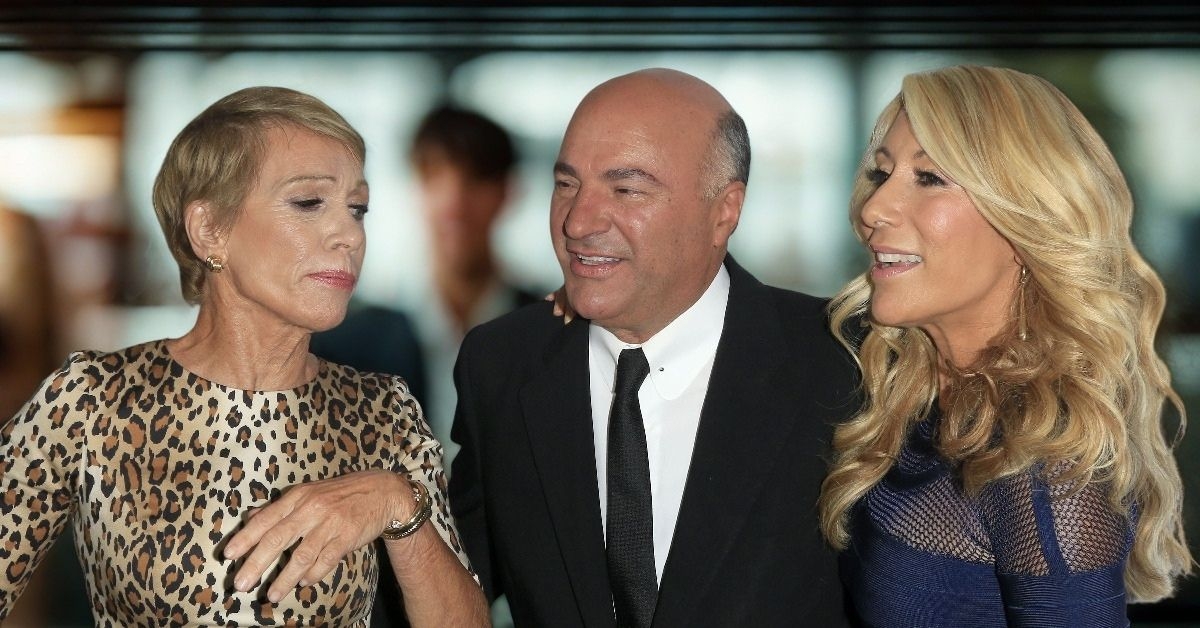
So, what would Mark Cuban say? He's been sharing money advice with millions of people for years, and some of his everyday financial warnings are especially well-suited for those evaluating retirement readiness. While these aren't retirement-specific warnings from Cuban, they offer a useful way to assess your finances. See which ones may apply to you while you have time to address them.
Now Available: The Definitive Guide to Retirement Income
Many successful investors eventually reach the same moment. The saving is done, the portfolio is built, and the question quietly changes from how much can I grow this to how much can I take out? Get that second question wrong and decades of good investing can come apart in a handful of years.
That is exactly what The Definitive Guide to Retirement Income helps answer.1 <p class="">Investing in securities involves a risk of loss. Past performance is never a guarantee of future returns. Investing in foreign stock markets involves additional risks, such as the risk of currency fluctuations. Guides are provided by Fisher Investments. The publisher may be compensated when readers request a guide.</p> It covers what your retirement could actually cost, which income sources are worth using, and the withdrawal math that decides whether the money lasts. It is free today from Fisher Investments. Read More Here ›
You don't have a cash cushion
Cuban's recommendation to have at least "six months' income" is meant to save you if you lose a job or need to suddenly move.
Accessible savings for retirees can cover a car repair or major health expense without forcing you to sell investments or take on debt. Since selling investments during a downturn early in retirement can leave fewer assets to benefit from a recovery — a problem known as sequence-of-returns risk — it's worth protecting what you have.
You still have credit card balances
While a cash cushion can keep you from going into debt, what happens if you're already there? Cuban has said that credit cards are "the worst investment you can make," and explains that avoiding interest could beat what he could earn by investing that money.
But there's more to it. Ongoing interest payments compete with essential spending — even more so when employment income stops. You could be able to work more hours to pay off expensive debt during your pre-retirement years, but that may become harder as you age.
Cuban hasn't written off credit cards altogether, though. He makes a distinction between paying them off each month without accrued interest (OK) and carrying a balance (not OK).
Your funds charge high fees
Cuban has recommended investing in a low-cost mutual fund or a fund tracking the S&P 500. For those evaluating retirement readiness, that's a reason to check costs rather than assume an expensive fund offers better results.
To see what you're paying, locate your funds' expense ratios and identify any separate advisory charges. You may be surprised by how much ongoing costs can reduce the money available for your retirement expenses over time.
Released: The Definitive Guide to Retirement Income
Most people spend their entire working lives focusing on one thing: growing a pile of money. Then they retire and discover the skill they actually need is close to the opposite. Turning that pile into steady income, year after year, through good markets and bad, without ever running out. It may be the least discussed and most consequential transition in personal finance, and plenty of otherwise careful investors walk into it with no real plan.
That is exactly what The Definitive Guide to Retirement Income helps answer.1 <p class="">Investing in securities involves a risk of loss. Past performance is never a guarantee of future returns. Investing in foreign stock markets involves additional risks, such as the risk of currency fluctuations. Guides are provided by Fisher Investments. The publisher may be compensated when readers request a guide.</p> It is a free guide from Fisher Investments covering what your retirement will really cost, where the cash flow should come from, and how much you can safely withdraw each year. Learn More Here ›
You can't explain what you own
While Cuban's advice to invest in what you understand is in relation to some of his higher-profile business choices, the principle can be universally applied. If you can't easily explain what an investment is, how it makes money, how it could lose money, and when you can access your funds, you may not understand the risks you're taking.
If your money is tied up in investments you don't understand, you may be overlooking risks that could interfere with your retirement plans. Your assets need to support living expenses, so understanding what you own matters.
Your lifestyle requires a peak-earning paycheck
Cuban's advice to "live like a student" may not be exactly what you want to hear in your 50s and 60s, and you don't necessarily need to sleep on the floor to make this advice work. Rather, consider how you can avoid lifestyle inflation, or the urge to spend every penny you make.
Since many retirees are coming off some of their highest-paid years, it can be difficult to scale back to basics in preparation for having less income. Instead, test your expected retirement budget with what you have to buy. If the numbers don't match, it's time to simplify your life to match what your nest egg will offer.
Recession predictions keep changing your plan
In September 2019, Cuban urged consumers to ignore recession predictions from "experts" and suggested it's too difficult to know how things will play out in a changing global economy. For retirees, this may mean reviewing your portfolio to make sure it can support expected spending needs, but not overhauling it because of one person's forecast.
It's also wise to reconsider fear-driven selling in a downturn, as you could lock in losses and miss a later recovery. You don't have to ignore risk altogether. Instead, the cash reserve discussed earlier can help you cover expenses without selling investments during a downturn.
Retirement News: Almost 80% of Americans fear a retirement age increase — here’s the real reason why
Bottom line
Cuban's not known for being the voice of the retirement generation. But his views on risk, fees, and lifestyle inflation still apply to seniors. His observations about people's relationships with money can work in just about any season of life.
As retirement gets closer, what matters most is shifting your thinking so you're not making decisions as though a steady paycheck will always be there. Whether you have a little or a lot, retirement won't make financial mistakes disappear. Planning ahead and being realistic about those challenges can mean fewer surprises.








- Huge discounts on travel, groceries, prescriptions and more
- Access to financial planning resources and health tools
- For a limited time, get 55% off 5-year plans