 Add Us On Google

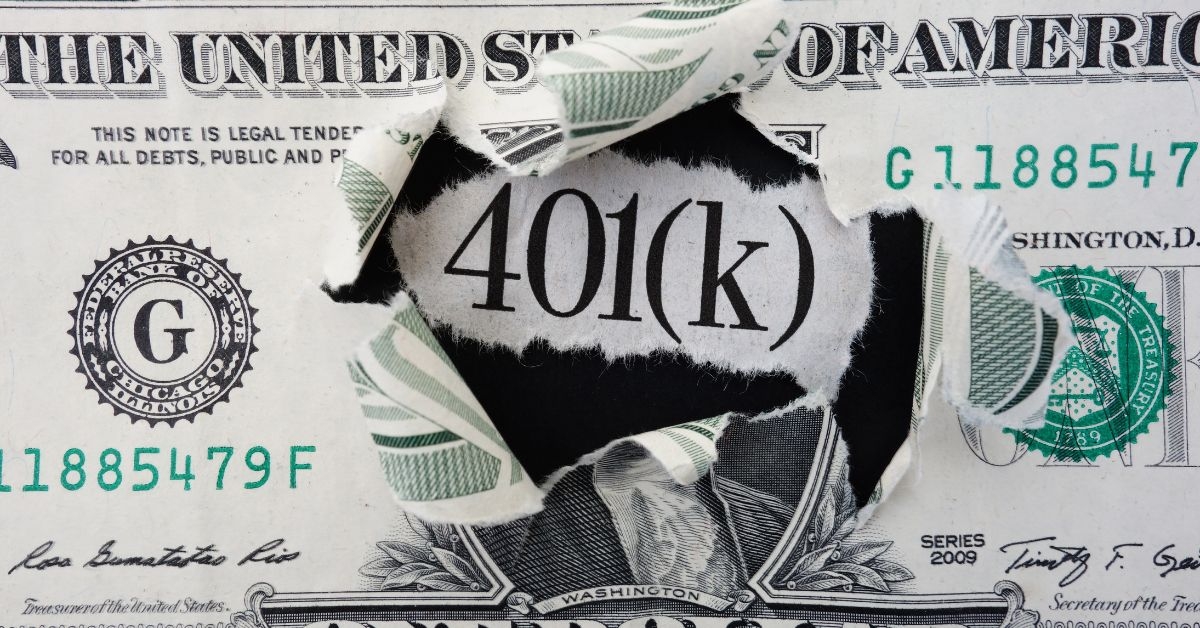
According to Fidelity's data from their Q2 2026 retirement analysis, there are some positive trends when it comes to the average 401(k) balance. Their records showed that the average balance has increased 10.5% over the last quarter.
Of course, this data only shows Americans who have access to Fidelity retirement plans, but there are still many others who are unable to contribute to their futures because they don't work for employers that offer 401(k)s as a workplace benefit. So, here's more information about Fidelity's findings as well as tips for those who want to contribute more to their retirement in the future.
Set up eligible direct deposit - pocket up to $400
Set up an eligible direct deposit with SoFi Checking and Savings and you could earn a bonus of $50 or $400.1 <p>New and existing Checking and Savings members who have not previously enrolled in Direct Deposit with SoFi are eligible to earn a cash bonus of either $50 (with at least $1,000 total Eligible Direct Deposits received within 25 calendar days of your first Eligible Direct Deposit of $1 or more) OR $400 (with at least $5,000 total Eligible Direct Deposits received within 25 calendar days of your first Eligible Direct Deposit of $1 or more). Cash bonus amount will be based on the total amount of Eligible Direct Deposit received within 25 calendar days of your first Eligible Direct Deposit of $1 or more. If you have satisfied the Eligible Direct Deposit requirements but have not received a cash bonus in your Checking account, please contact us at 855-456-7634 with the details of your Eligible Direct Deposit. Direct Deposit Promotion begins on 5/15/2026 and will be available through 12/31/2026. Full terms at <a href="https://www.sofi.com/banking/">sofi.com/banking</a>. SoFi Checking and Savings is offered through SoFi Bank, N.A., Member FDIC. SoFi members with Eligible Direct Deposit can earn 3.30% annual percentage yield (APY) on savings balances (including Vaults) and 0.50% APY on checking balances. There is no minimum Eligible Direct Deposit amount required to qualify for the 3.30% APY for savings (including Vaults). Members without Eligible Direct Deposit will earn 0.80% APY on savings balances (including Vaults) and 0.50% APY on checking balances. Interest rates are variable and subject to change at any time. These rates are current as of 9/23/26. Fees may reduce earnings. Additional information can be found at <a href="https://d32ijn7u0aqfv4.cloudfront.net/wp/wp-content/uploads/raw/SoFi-Bank-Rate-Sheet-September-23-2026.pdf">http://www.sofi.com/legal/banking-rate-sheet</a>.</p> Make the switch, set up eligible direct deposit, earn the bonus. It basically takes no extra work at all other than following these steps.
Why people are switching: This account earns up to an insane 4.40% APY2 <p>Earn up to 4.40% Annual Percentage Yield (APY) on one SoFi Savings account with a 1.10% APY Boost (added to the 3.30% APY as of 10/20/26) for up to 6 months. Open your first SoFi Checking and Savings account and receive eligible direct deposits OR qualifying deposits of $5,000 every 31 days by 12/31/27. Rates are variable, subject to change. Terms apply at <a href="https://www.sofi.com/banking/#4">sofi.com/banking#4</a>. SoFi Bank, N.A. Member FDIC.</p> on savings for up to six months on new accounts (3.30% APY standard + 1.10% APY boost; terms apply) on top of that $50 or $400 bonus.1 <p>New and existing Checking and Savings members who have not previously enrolled in Direct Deposit with SoFi are eligible to earn a cash bonus of either $50 (with at least $1,000 total Eligible Direct Deposits received within 25 calendar days of your first Eligible Direct Deposit of $1 or more) OR $400 (with at least $5,000 total Eligible Direct Deposits received within 25 calendar days of your first Eligible Direct Deposit of $1 or more). Cash bonus amount will be based on the total amount of Eligible Direct Deposit received within 25 calendar days of your first Eligible Direct Deposit of $1 or more. If you have satisfied the Eligible Direct Deposit requirements but have not received a cash bonus in your Checking account, please contact us at 855-456-7634 with the details of your Eligible Direct Deposit. Direct Deposit Promotion begins on 5/15/2026 and will be available through 12/31/2026. Full terms at <a href="https://www.sofi.com/banking/">sofi.com/banking</a>. SoFi Checking and Savings is offered through SoFi Bank, N.A., Member FDIC. SoFi members with Eligible Direct Deposit can earn 3.30% annual percentage yield (APY) on savings balances (including Vaults) and 0.50% APY on checking balances. There is no minimum Eligible Direct Deposit amount required to qualify for the 3.30% APY for savings (including Vaults). Members without Eligible Direct Deposit will earn 0.80% APY on savings balances (including Vaults) and 0.50% APY on checking balances. Interest rates are variable and subject to change at any time. These rates are current as of 9/23/26. Fees may reduce earnings. Additional information can be found at <a href="https://d32ijn7u0aqfv4.cloudfront.net/wp/wp-content/uploads/raw/SoFi-Bank-Rate-Sheet-September-23-2026.pdf">http://www.sofi.com/legal/banking-rate-sheet</a>.</p> That's way better than the measly 0.38% APY (as of 10/19/26)3 <p>Based on <a href="https://www.fdic.gov/national-rates-and-rate-caps">this</a> FDIC data, as of 6/15/26.</p> national average savings accounts offer.
No monthly fees and no surprises. Open your account and earn up to a $400 bonus
Fidelity's average 401(k) balance hit $155,800
Having that average 401(k) balance increase by 10.5% in a quarter is a major gain and now puts the average 401(k) balance at $155,800. In fact, Fidelity reported that it was the largest quarterly increase since the year 2020.
Despite this, the Federal Reserve found that only 35% of non-retired adults think their retirement savings are on track. That means that many people are living with uncertainty about their retirement in the future. Plus, 14% of workers borrowed from, cashed out, or cut their contributions last year, showing that many people are still facing financial hardships.
The average Boomer 401(k) balance is $283,200
It makes sense that Baby Boomers have the highest average 401(k) balance at $283,200 because they are the closest to retirement. Fidelity data shows that Boomers put in 12.2% of their pay towards retirement, more than any other generation.
It also helps that those who are still working have an opportunity, starting at age 50, to make catch-up contributions. These contributions can help older workers make up for lost time or past mistakes by contributing thousands extra to their accounts if they're able.
Gen X workers have an average 401(k) balance of $240,700
Gen X showed an average 401(k) balance that wasn't so far behind Boomers at $240,700. The data also showed that Gen X contributes approximately 10.6% of their income towards retirement.
Many Gen X workers are closer to retirement than Millennials and Gen Z and are likely increasing their contributions to fully prepare to stop working in the future. Although they have less time to save for retirement than younger generations, they still have opportunities to make catch-up contributions that can help their balances grow.
If you’re over 50, take advantage of massive discounts and financial resources
Over 50? Join AARP today— because if you’re not a member you could be missing out on huge perks. When you start your membership today, you can get discounts on things like travel, meal deliveries, eyeglasses, prescriptions that aren’t covered by insurance and more.
Start your membership by creating an account here and filling in all of the information (Do not skip this step!) Doing so will allow you to take up to 25% off your AARP membership, making it just $15 the first year with auto-renewal.
Millennials showed growth with 401(k) balances of $94,300, on average
Even though Millennials have a lower average 401(k) balance of $94,300 than Boomers and Gen X, their average balance is 26% higher than the previous year, showing major growth. Additionally, Millennials contribute 9% to their retirement accounts on average.
Fortunately, Millennials, even older ones, have a long enough time horizon to make meaningful additions to their retirement accounts. Increasing contributions with each raise or bonus can help Millennials reach their retirement goals on time.
Gen Z has an average 401(k) balance of $20,800
Gen Z is the youngest generation of workers, so naturally, they have the lowest average 401(k) balance of $20,800 with a 7.6% contribution rate. Gen Z, despite the lower average balance, has a much longer time horizon than any other generation until retirement. That means they have the biggest benefit of compound interest on their side. Gen Z would especially benefit from creating good savings and investing habits early in their careers.
A strong stock market is driving this increase
Fidelity's report showed that the combined employee and employer contributions were the same as the previous quarter, at 14.4% of pay. So, that means that much of the growth mentioned here comes from market performance as opposed to people saving more. So, when the stock market does well, so do 401(k) retirement plans.
Retirement News: Almost 80% of Americans fear a retirement age increase — here’s the real reason why
Fidelity's data doesn't represent all Americans
Fidelity is a major issuer of retirement plans, so their data shows 25.8 million participants. These workers are actively contributing to a 401(k) plan that their employer provides as a workplace benefit. However, not all working Americans have access to a work-sponsored retirement plan.
For those Americans, finding a way to save and contribute to retirement is crucial and is possible with other retirement options like IRAs. With an IRA, anyone who is eligible can open an account and doesn't need an employer's permission or benefit to do so.
Bottom line
Even though Fidelity's data isn't representative of all Americans, the numbers are still encouraging for those who are working towards saving for their futures in their workplace-sponsored retirement plans. However, comparing your balance to these averages isn't always a smart money move, since not everyone has the same access or ability to contribute.
More from FinanceBuzz:
- 12 ways to pocket up to $300.
- Are you a homeowner? Get a protection plan on all your appliances.
- 10 little weird hacks Costco shoppers should know.
- Learn how to escape the paycheck-to-paycheck grind.








- Huge discounts on travel, groceries, prescriptions and more
- Access to financial planning resources and health tools
- Join AARP and get 25% off with automatic renewal