

 Add Us On Google

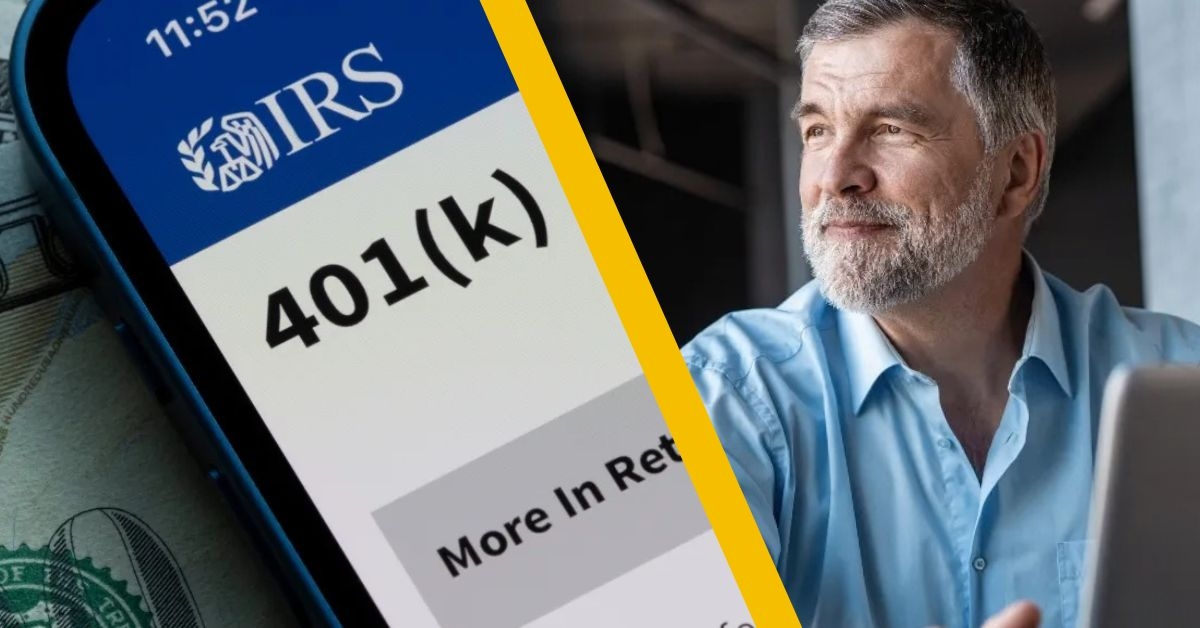
A new federal retirement benefit could soon give eligible Americans up to $1,000 a year in government contributions. However, there's a catch that could affect where you keep your retirement savings.
The Saver's Match begins with contributions made in 2027, offering qualifying workers a government match deposited into a retirement account. But the IRS has confirmed that not every IRA provider or workplace retirement plan will have to accept the money, so it may be worth reviewing your retirement plan before the benefit begins.
Get a protection plan on all your appliances
Did you know if your air conditioner stops working, your homeowner’s insurance won’t cover it? Same with plumbing, electrical issues, appliances, and more.
A home warranty from Choice Home Warranty could pick up the slack where insurance falls short.
For a limited time, you can get your first month free with a Single Payment home warranty plan.
Not every retirement provider has to accept the match
The IRS addressed this issue in Notice 2026-48, published in August, while outlining how the Saver's Match will work. According to the guidance, neither retirement plans nor IRA providers are required to accept Saver's Match contributions directly from the Treasury Department.
That could leave you qualifying for the government contribution only to discover that your existing provider doesn't accept it.
The IRS is encouraging providers to participate, but participation remains voluntary. This matters because the Saver's Match isn't simply added to your tax refund. The government generally needs an eligible retirement account where it can deposit the money.
The government could add $1,000 to your retirement savings
The Saver's Match was created under the SECURE 2.0 Act and will replace the existing Saver's Credit for most qualifying retirement contributions beginning in 2027. Under the new program, eligible workers can receive a government match equal to 50% of their first $2,000 in qualifying annual contributions.
Someone contributing $2,000 to an eligible IRA or workplace retirement plan could therefore receive another $1,000 from the government. Married couples could receive up to $2,000 combined if both spouses qualify and contribute enough.
Your income still determines whether you qualify
In 2027, the full match is available to single filers with modified adjusted gross income of $20,500 or less, with eligibility phasing out completely at $35,500. Higher limits apply to married couples filing jointly and heads of household.
Other eligibility rules also apply, including age, dependent, and student-status requirements. Importantly, meeting them doesn't guarantee your current retirement provider will accept the government contribution.
If you’re over 50, take advantage of massive discounts and financial resources
Over 50? Join AARP today— because if you’re not a member you could be missing out on huge perks. When you start your membership today, you can get discounts on things like travel, meal deliveries, eyeglasses, prescriptions that aren’t covered by insurance and more.
Start your membership by creating an account here and filling in all of the information (Do not skip this step!) Doing so will allow you to take up to 25% off your AARP membership, making it just $15 the first year with auto-renewal.
Your existing IRA might need a second look
Traditional and Roth IRA contributions can both count toward determining your Saver's Match eligibility. However, the rules governing where the government actually deposits the match are more complicated.
Under the IRS's proposed approach, participating IRA providers would register with the Treasury and receive identifying information taxpayers could use when claiming the match. The process is particularly complicated for Roth IRAs, since the government would first deposit the match into a traditional IRA before transferring it to a Roth IRA, potentially triggering income taxes.
The important point is that having an IRA doesn't automatically mean its provider will participate. If your provider doesn't accept Saver's Match payments, you may need to establish an account with another institution that does.
A new government website could help you find an eligible IRA
The IRS says a new website, TrumpIRA.gov, is expected to launch in 2027 to help taxpayers identify participating retirement providers.
The website is intended to list financial institutions offering IRAs that accept Saver's Match contributions and meet other federal criteria. That could make it easier to compare providers before choosing where to receive your government match.
It's also worth comparing ordinary account costs, investment options, and minimum balance requirements before opening a new account. Receiving a government contribution is valuable, but high ongoing fees could eat into your retirement savings over time.
Your 401(k) provider could face the same issue
The acceptance requirement doesn't apply only to IRAs. Workplace retirement plans, including eligible 401(k), 403(b), and governmental 457(b) plans, also aren't required to accept Saver's Match payments directly from the Treasury Department.
If your employer's plan doesn't participate, that doesn't automatically mean you lose eligibility for the match. You may be able to direct the contribution elsewhere, although the IRS is still finalizing how taxpayers will designate accounts and how payments will reach participating providers.
Retirement News: Almost 80% of Americans fear a retirement age increase — here’s the real reason why
You have time to prepare before claiming the benefit
Although the Saver's Match begins with 2027 retirement contributions, the government won't start paying matches until 2028. Eligible taxpayers will claim the benefit by filing Form 8880-A with their 2027 federal income tax return.
The IRS also says there's no action required in 2026. Once the program begins, check whether your existing IRA or workplace plan accepts the match and compare alternatives if necessary.
Bottom line
The new Saver's Match could add up to $1,000 annually to an eligible worker's retirement savings, but not every IRA or workplace retirement plan will be required to accept the government contribution.
If you expect to qualify in 2027, check whether your retirement provider plans to participate before claiming the benefit in 2028. Before claiming the benefit, check whether your provider plans to participate. It could help you avoid one of those surprising retirement mistakes where you qualify for the money but don't have an account ready to receive it.
More from FinanceBuzz:
- Retire like the rich: 14 ways you could build wealth in your 50s.
- Find out if you could pay less for car insurance in just a few clicks.
- Make these 7 savvy moves when you have $1,000 in the bank.
- 14 moves seniors could benefit from but often forget about.


- Huge discounts on travel, groceries, prescriptions and more
- Access to financial planning resources and health tools
- Join AARP and get 25% off with automatic renewal