

 Add Us On Google

Many brands quickly come and go, but others are timeless and endure for generations. They have the "it" factor that makes it seem like they will always be sought-after labels.
But throw in inflation and shifting cultural tastes, and a lot can change.
Here are more than a dozen iconic brands that once ruled pocketbooks. Now, they are in decline, making it easier to keep more cash in your wallet rather than spend it on something formerly trendy.
Victoria's Secret
There was a time when Tyra Banks and other supermodels strutted the runways in Victoria's Secret underwear and angel wings. But the lingerie label has had a rough few years.
In March 2024, shares fell nearly 28% in a single day after the company forecast its third consecutive annual sales decline, with analysts pointing to shoppers trading down to cheaper options. The brand has since stabilized: comparable sales rose 5% in Q4 2024, and full-year 2025 net sales reached $6.55 billion, with the company forecasting continued growth in 2026. Profitability, however, remains a pressure point. As recently as March 2026, the stock dropped nearly 12% after quarterly results, as investors worried about rising costs despite a revenue beat.
Harley-Davidson
The iconic motorbike brand Harley-Davidson has seen highs and lows since its founding in 1903 and is currently facing a new slump.
In its Feb. 10, 2026, earnings report, the company said global retail sales of new motorcycles fell 12% in 2025 compared with the prior year. CEO Artie Starrs called 2025 a challenging year and said the company is taking steps to stabilize the business.
Facebook lost its "cool" factor a while ago. In recent years, some users have deleted their accounts, and younger users have gravitated to WhatsApp, Instagram, and TikTok.
The shift among younger users is stark. In a 2025 Pew Research Center survey, just 31% of U.S. teens ages 13 to 17 said they use Facebook, down from 71% in 2014-15.
SlimFast
Dieters don't want to slim down by drinking SlimFast anymore. The decades-old brand is seeing sustained drops in revenue over the last several years, and fewer retailers are stocking its meal replacement shakes.
Neither the brand's time under Glanbia's ownership nor its packaging revamp improved sales. SlimFast sales plunged starting in 2022, and Glanbia took a non-cash impairment charge of $91.4 million on the brand before offloading it entirely. In September 2025, Heartland Food Products Group (the maker of Splenda) acquired SlimFast's North American business, with the UK and European assets sold separately to Supreme shortly after.
Campbell's Soup
Campbell's Soup is a classic brand that's more retro than relevant.
The brand's soups once were pantry staples. However, high-sodium goods don't always appeal to today's health-conscious consumers. The brand's pivot to organic soups and portable snacks has not turned the tide.
In fiscal 2026, which ended Aug. 2, Campbell's net sales fell 5% to $9.7 billion. The company also cut its quarterly dividend by 36%, to 25 cents per share, and launched a $500 million cost-savings program.
Jell-O
Jell-O has been around for more than a century. When you see Jell-O boxes in stores, it's a bit of a time warp: "Really? They still make these?!?"
The brand's sales have been sliding for years — from $753 million in 2013 to $688 million in 2022, the last figure publicly reported. Kraft Heinz, which owns Jell-O, is now trying to arrest that decline: in 2026, the brand launched Jell-O Simply, a new line made with real fruit juice and no artificial colors or sweeteners, aimed at health-conscious parents.
H&M
Once-trendy, H&M has struggled with sales as consumers ditch fast fashion. Even before the pandemic, the retailer was contending with less store traffic and excess inventory.
Daniel Ervér took over as CEO in January 2024 amid slumping sales, and investors are watching whether he can revive growth.
Applebee's
Things aren't good in the neighborhood: Amid changing diner preferences, Applebee's and other chains haven't fared well. The brand posted same-store sales declines in every quarter of 2024, including a 4.7% drop in Q4, though the bleeding slowed in 2025. Q4 of that year came in at -0.4%. The chain shed 35 net domestic locations in 2024 alone, and in early 2026, a major Southeast franchisee filed for bankruptcy after closing 14 locations.
Dine Brands, the restaurant's owner, is now actively building combo restaurants pairing IHOP and Applebee's in one location, a strategy it launched in the U.S. in early 2025 and has since called a "core pillar" of its growth plan.
Forever 21
You know a brand is in trouble when its owner says that acquiring it was "probably the biggest mistake I made." Authentic Brands CEO Jamie Salter made that remark at a 2023 conference, and events proved him right.
Forever 21 filed for bankruptcy for the second time in March 2025, citing brutal competition from Shein and Temu, rising operating costs, and shifting consumer habits. All roughly 350 remaining U.S. stores closed by May 2025. The Shein partnership the brand had touted in 2023 as a path to growth delivered only modest results. Authentic Brands retains ownership of the Forever 21 trademark and plans to license it to other retailers, so the name will survive, even if the stores don't.
Get a protection plan on all your appliances
Did you know if your air conditioner stops working, your homeowner’s insurance won’t cover it? Same with plumbing, electrical issues, appliances, and more.
Whether or not you’re a new homeowner, a home warranty from Choice Home Warranty could pick up the slack where insurance falls short and protect you against surprise expenses. If a covered system in your home breaks, you can call their hotline 24/7 to get it repaired.
For a limited time, you can get your first month free with a Single Payment home warranty plan.
Jack Daniel's
The quips and jabs are true: Jack Daniel's needs to pour itself a stiff one. Demand for the brown stuff has dropped since the pandemic, and the situation has worsened.
In January 2025, parent company Brown-Forman cut 12% of its global workforce and closed its Louisville cooperage. U.S. sales continued falling into 2026, compounded by trade tariffs and Canadian provinces pulling American spirits from shelves. Chris Swonger of the Distilled Spirits Council says the industry is now "contending with a challenging U.S. marketplace."
Starbucks
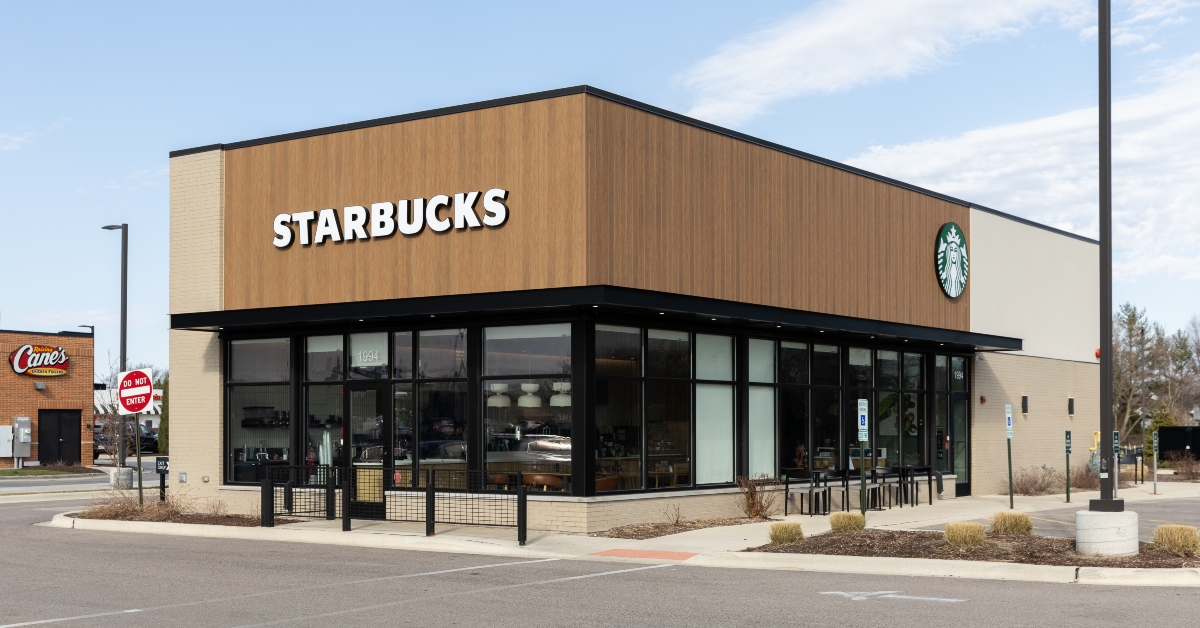
Not long ago, consumers appeared to be ditching their spendy Starbucks habit. In August 2024, Starbucks ousted its CEO and brought in Brian Niccol, the executive credited with transforming Chipotle, to lead a turnaround dubbed "Back to Starbucks." As recently as mid-2025, U.S. comparable store sales were still falling.
The plan now appears to be working. In its fiscal third quarter of 2026, which ended June 28, Starbucks reported a 7.9% rise in global comparable store sales, its fourth straight quarter of growth, driven largely by more customer visits. The company also raised its full-year outlook.
McDonald's
The Golden Arches have lost some of their shine. Diners want healthy options, and budget-conscious consumers want good value. Many consumers appear to believe that McDonald's offers neither.
Amid inflation, higher worker wages, slowing foot traffic and weakened sales in the U.S. market, and changing diner tastes, the brand is struggling.
Kohl's
Kohl's has been in a slow bleed for years. Same-store sales fell 6.5% in fiscal 2024, and full-year net sales dropped to $15.4 billion, down 7.2% year-over-year. By fiscal 2025, sales had slipped further to $14.78 billion, below even 2020 levels.
Outside of a COVID-recovery bounce, the company hasn't grown annual sales since 2018. The brand has churned through CEOs in search of a fix, and while recent quarters have come in ahead of (lowered) expectations, shoppers continue to drift toward off-price rivals like Marshalls and Burlington.
Bottom line
These iconic brands were once unstoppable forces. Now, they are grappling with changing consumer preferences, economic challenges, and increased competition.
So, rather than spending cash on these once-trendy brands, boost your financial fitness by looking for cheaper alternatives, such as generic items that are often just as good as the brand names but at a reduced price.
More from FinanceBuzz:
- 12 ways to pocket up to $300.
- Are you a homeowner? Get a protection plan on all your appliances.
- 10 little weird hacks Costco shoppers should know.
- Learn how to escape the paycheck-to-paycheck grind.




Intro Offer
$100 cash rewards bonus after spending $500 in purchases in the first 3 months
Annual Fee $0 Why we like it