 Add Us On Google

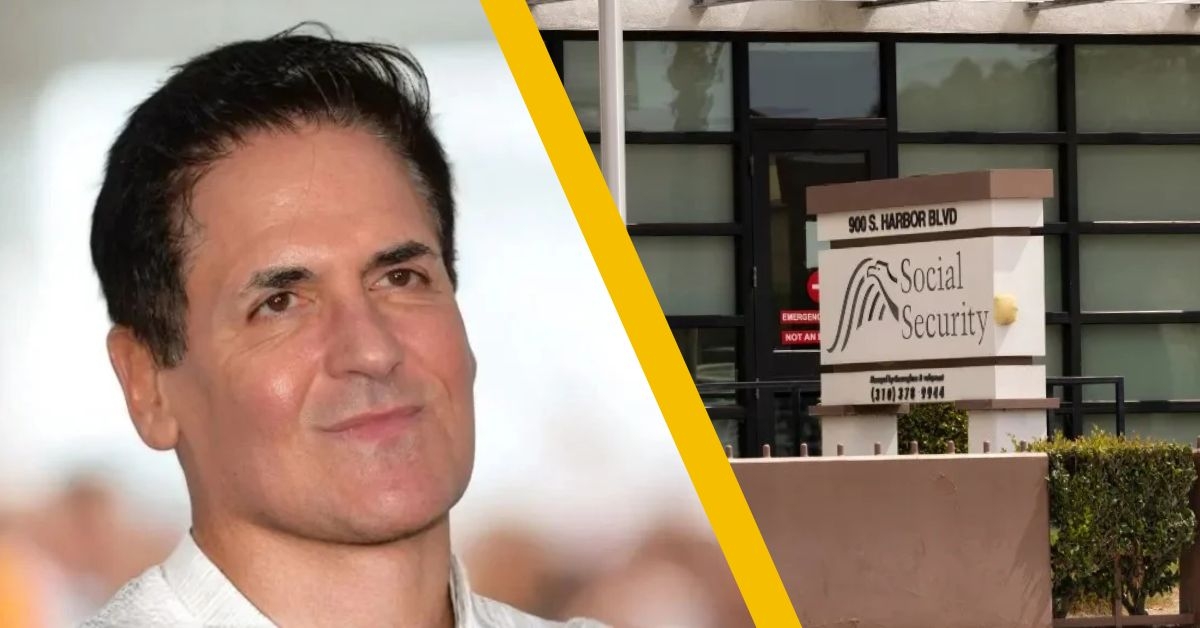
A new warning about Social Security is raising concerns for millions of Americans. Updated projections suggest the program's finances may run into trouble sooner than expected. For retirees who depend on Social Security benefits, that could have real consequences.
The Social Security trust fund, which helps pay retirement benefits, could be depleted by 2032, which is earlier than some prior estimates. If that happens and no action is taken, benefit reductions could follow. Understanding what's changing, and what it could mean, is key to planning your next steps.
Now Available: The Definitive Guide to Retirement Income
Many successful investors eventually reach the same moment. The saving is done, the portfolio is built, and the question quietly changes from how much can I grow this to how much can I take out? Get that second question wrong and decades of good investing can come apart in a handful of years.
That is exactly what The Definitive Guide to Retirement Income helps answer.1 <p class="">Investing in securities involves a risk of loss. Past performance is never a guarantee of future returns. Investing in foreign stock markets involves additional risks, such as the risk of currency fluctuations. Guides are provided by Fisher Investments. The publisher may be compensated when readers request a guide.</p> It covers what your retirement could actually cost, which income sources are worth using, and the withdrawal math that decides whether the money lasts. It is free today from Fisher Investments. Read More Here ›
The Social Security trust fund may run out sooner than expected in 2032
Recent projections from the Congressional Budget Office (CBO) suggest the Social Security trust fund could be depleted around 2032. That timeline reflects updated economic assumptions, including expectations for higher inflation in the coming years.
Higher inflation plays a role because it increases the program's cost-of-living adjustments, or COLAs. While COLAs are designed to help retirees maintain purchasing power, they also increase the total amount Social Security pays out over time. As benefits rise, the trust fund's reserves are used up more quickly. That dynamic is one reason the projected depletion date has moved closer.
How much benefits could be cut if the Social Security trust fund runs out
If the trust fund runs out and lawmakers do not intervene, benefits would not disappear entirely. Social Security is funded on a pay-as-you-go basis, meaning payroll taxes from current workers would still support ongoing payments.
However, those incoming funds would not be enough to cover the full benefits. Current estimates suggest payments could be reduced by about 24% across the board. For retirees, that could mean a noticeable drop in monthly income. Even a partial reduction could make it harder to cover essential expenses like housing, health care, and groceries.
Congress would need to act to prevent the Social Security trust fund from being depleted
Avoiding benefit cuts would likely require action from Congress. Lawmakers potentially have several options, including raising payroll taxes, adjusting benefits, or modifying eligibility rules.
Any solution would involve trade-offs, which makes it difficult for policymakers to reach an agreement. Still, legislative reform will be necessary before the projected depletion date in order to prevent a significant reduction in benefits for seniors.
Released: The Definitive Guide to Retirement Income (Sponsor)
Most people spend their entire working lives focusing on one thing: growing a pile of money. Then they retire and discover the skill they actually need is close to the opposite. Turning that pile into steady income, year after year, through good markets and bad, without ever running out. It may be the least discussed and most consequential transition in personal finance, and plenty of otherwise careful investors walk into it with no real plan.
That is exactly what The Definitive Guide to Retirement Income helps answer.1 <p class="">Investing in securities involves a risk of loss. Past performance is never a guarantee of future returns. Investing in foreign stock markets involves additional risks, such as the risk of currency fluctuations. Guides are provided by Fisher Investments. The publisher may be compensated when readers request a guide.</p> It is a free guide from Fisher Investments covering what your retirement will really cost, where the cash flow should come from, and how much you can safely withdraw each year. Learn More Here ›
How seniors can prepare for retirement now in case Social Security gets cut in 2032
Even with uncertainty around Social Security, focusing on near-term financial stability can help retirees stay on track. Reviewing your current budget and identifying areas to cut unnecessary expenses can create immediate breathing room.
It may also be helpful to build or strengthen an emergency fund to cover unexpected costs without relying on monthly benefits. Having a cash buffer can reduce the pressure if income fluctuates.
Additionally, consider working with a financial advisor to reassess your withdrawal strategy and income sources. Small adjustments now, like timing withdrawals or rebalancing investments, can help extend your savings over time.
Why this matters for future retirees
For workers who are still years away from retirement, this warning carries long-term implications. Younger and mid-career Americans may need to plan for a future where Social Security replaces a smaller portion of their income than expected.
That could mean saving more aggressively or adjusting expectations around retirement age and lifestyle. Even small changes, like increasing contributions by 1% each year, can help offset potential shortfalls over time. The key takeaway is that Social Security is still expected to play a role, but it may not be enough on its own. Building multiple income streams can provide greater stability as policies evolve.
Bottom line
The possibility of an earlier Social Security shortfall highlights the importance of planning ahead. While benefit reductions are not guaranteed, the updated projections show that the program's challenges are becoming more urgent.
Taking steps now, like saving more, managing expenses, and diversifying income, can help you avoid money mistakes and stay on track, regardless of how Social Security evolves in the years ahead.
More from FinanceBuzz:
- Retire like the rich: 14 ways you could build wealth in your 50s.
- Find out if you could pay less for car insurance in just a few clicks.
- Make these 7 savvy moves when you have $1,000 in the bank.
- 14 moves seniors could benefit from but often forget about.


- Huge discounts on travel, groceries, prescriptions and more
- Access to financial planning resources and health tools
- Join AARP and get 25% off with automatic renewal