 Add Us On Google

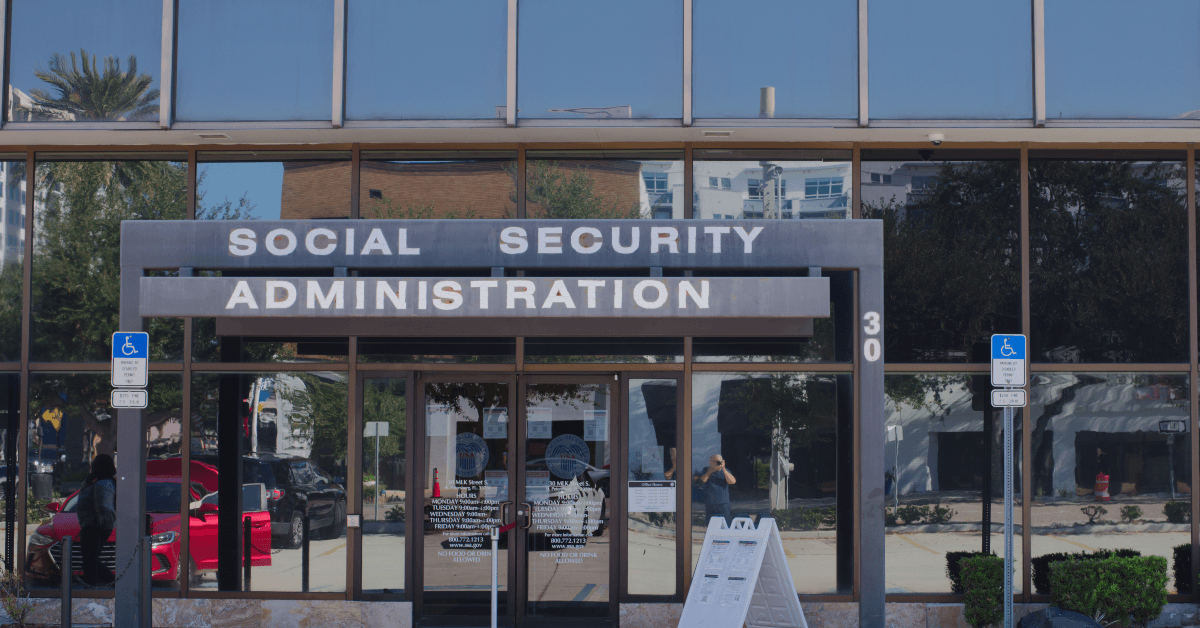
Retirees receiving Social Security senior benefits should see an increase in their benefits in 2027, but according to advocates, the increase isn't enough to help retirees cover their expenses. On October 14, the Social Security Administration (SSA) announced a cost-of-living adjustment (COLA) increase of 3.6% for 2027. That's the largest COLA since 2023, and it increases benefits in response to climbing inflation.
But according to advocates, the COLA falls short, and Social Security benefits continue to lose buying power. Here's what to know about the COLA and why it may not be keeping up with how inflation affects retirees.
Get a protection plan on all your appliances
Did you know if your air conditioner stops working, your homeowner’s insurance won’t cover it? Same with plumbing, electrical issues, appliances, and more.
A home warranty from Choice Home Warranty could pick up the slack where insurance falls short.
For a limited time, you can get your first month free with a Single Payment home warranty plan.
The 2027 COLA and how it affects benefits
The 3.6% 2027 COLA amounts to an average increase of about $75 per month for retired workers, bringing average monthly benefits up from $2,095 in 2026 to $2,170 in 2027. Since the COLA is a percentage, higher earners who receive larger benefit checks also receive a larger COLA increase than people who receive smaller benefit checks.
About 72 million Social Security recipients should see that increase beginning in January 2027, while 7.3 million people receiving Supplemental Security Income (SSI) should see the increase on December 31, 2026.
"Social Security will implement this cost-of-living adjustment for 76 million Americans, giving them greater financial stability," said Commissioner Frank J. Bisignano.
The increase has been referred to as a "Trump bump," a commentator's label reflecting the fact that the increase traces back to third-quarter Consumer Price Index for Urban Wage Earners and Clerical Workers (CPI-W) data, which is partially driven by climbing energy prices.
What a higher COLA actually means
An increase in benefits might seem like a positive change at first glance, but it doesn't mean that benefits actually gained ground. Since the COLA is calculated based on third-quarter inflation, a higher COLA means that prices rose during the third quarter.
Additionally, the COLA calculation doesn't reflect inflation changes that occurred in the other quarters of the year. Since the COLA is only calculated once a year and goes into effect each January, retirees may have to stretch their budgets to pay for higher prices. For example, Social Security recipients received a 2.8% COLA for 2026, but the war with Iran has caused gas and diesel prices to soar this year. That's a long time for retirees to try to stretch their budgets until the 2027 COLA goes into effect.
Social Security's lost buying power
The Senior Citizens League, an advocacy group, estimates that over the past decade, Social Security benefits have lost 13.7% of their buying power as the benefits haven't kept up with inflation. According to that estimate, a dollar of benefits in 2016 is worth just $0.86 today.
To restore benefits' buying power for the average beneficiary, benefits would have to increase by nearly $296 per month, or about $3,550 per year.
Retirees are feeling the effects of that lost buying power. A September 2026 AARP poll found that about 75% of those age 50 or older didn't feel that a 3.5% COLA in 2027 would be enough to keep up with rising prices.
If you’re over 50, take advantage of massive discounts and financial resources
Over 50? Join AARP today— because if you’re not a member you could be missing out on huge perks. When you start your membership today, you can get discounts on things like travel, meal deliveries, eyeglasses, prescriptions that aren’t covered by insurance and more.
Start your membership by creating an account here and filling in all of the information (Do not skip this step!) Doing so will allow you to take up to 25% off your AARP membership, making it just $15 the first year with auto-renewal.
The problem with using the CPI-W
Some advocates explain that the CPI-W is problematic, too. The National Active and Retired Federal Employees Association (NARFE) supports the use of the Consumer Price Index for the Elderly (CPI-E) in its place. The CPI-W reflects costs paid by younger workers and, according to the NARFE, doesn't account for seniors' spending habits, especially for their spending on health care. The NARFE reports that seniors spend nearly double the average spending of the general population on health care, and health care costs have also risen faster than the cost of other goods.
The CPI-E may more accurately reflect seniors' spending costs, potentially leading to a more accurate and larger COLA. Groups like the NARFE advocate for its use in place of the CPI-W.
The Medicare Part B premium effect
Medicare Part B premiums, which are deducted from Social Security benefits, may also eat up part of the 2027 benefit increase. The official premium amounts should be released in the coming weeks. According to the Medicare Trustees, the monthly 2027 premium is projected to rise to $209.50, an increase of $6.60 per month.
If the COLA already comes up short in comparison to the prices that retirees are really paying, the fact that Medicare Part B premiums also eat into those benefits could strain budgets even more.
Bottom line
You may log into your my Social Security account beginning in late November to view your COLA notice and see the exact dollar amount of your 2027 benefits. To see the notice online, you'll need to enroll in paperless billing. If you don't enroll in paperless billing, you'll receive your notice in the mail in December.
Once you know your benefit amount for 2027, it may be a good idea to revisit your budget and retirement plan to make any necessary adjustments.
More from FinanceBuzz:
- Retire like the rich: 14 ways you could build wealth in your 50s.
- Find out if you could pay less for car insurance in just a few clicks.
- Make these 7 savvy moves when you have $1,000 in the bank.
- 14 moves seniors could benefit from but often forget about.


- Huge discounts on travel, groceries, prescriptions and more
- Access to financial planning resources and health tools
- Join AARP and get 25% off with automatic renewal