 Add Us On Google

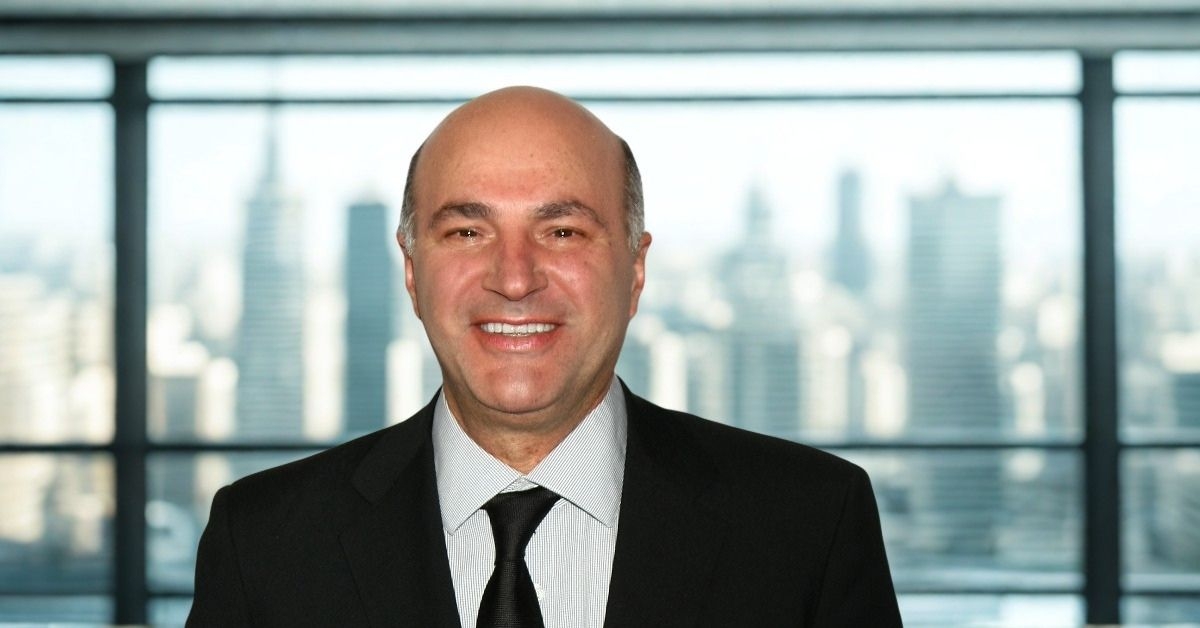
Kevin O'Leary, the millionaire entrepreneur who is best known for being a shark on the hit TV show Shark Tank, regularly appears in the media giving financial advice. He's especially concerned that Americans aren't saving enough in their 401(k) retirement plans and offers several pieces of advice for those who want to retire in the near future.
Here are some of his top tips, including several mistakes to avoid if you want to retire successfully and build wealth in the future.
Don't carry credit card debt into retirement
O'Leary is strongly against people having high-interest debt, like credit card debt. He explains that it's difficult to invest for your future if you're paying interest rates around 21%, which is the average according to the Federal Reserve. Paying down high-interest debt is an especially important step if you're retiring soon, as you'll be living on a fixed income in retirement. It can be hard to manage a monthly budget if your credit minimum payments continue to grow because of the high interest rate.
Now Available: The Definitive Guide to Retirement Income
Many successful investors eventually reach the same moment. The saving is done, the portfolio is built, and the question quietly changes from how much can I grow this to how much can I take out? Get that second question wrong and decades of good investing can come apart in a handful of years.
That is exactly what The Definitive Guide to Retirement Income helps answer.1 <p class="">Investing in securities involves a risk of loss. Past performance is never a guarantee of future returns. Investing in foreign stock markets involves additional risks, such as the risk of currency fluctuations. Guides are provided by Fisher Investments. The publisher may be compensated when readers request a guide.</p> It covers what your retirement could actually cost, which income sources are worth using, and the withdrawal math that decides whether the money lasts. It is free today from Fisher Investments. Read More Here ›
Don't retire unless you have an emergency fund
O'Leary cautions people against running short on cash. He says that in addition to remaining credit card debt-free, it's also important to have an emergency fund. Having cash on hand in retirement can help prevent retirees from withdrawing from their retirement accounts during a down market and potentially hurting their long-term returns. Ideally, O'Leary suggests having a three- to six-month emergency fund. For many retirees, this can help in a variety of scenarios, from unexpected health issues to home repairs.
Don't let your portfolio get too concentrated
Another tip O'Leary gives is to never let your investment portfolio get too concentrated. His rule is to keep no more than 5% in any one stock and no more than 20% in one sector. This is especially important for retirees, because if too much of their retirement portfolio is tied up in a single stock or sector, it can be risky. Having a more diversified approach in retirement can help retirees protect their nest egg for many years to come.
Retirees can monitor their investments and rebalance when one of their holdings grows too large, if they choose. This approach may not work for everyone, so it's important to speak with a financial advisor about your specific situation and retirement goals to get advice tailored to your personal finances.
Don't live beyond your means in retirement
O'Leary credits his mom when it comes to his investment knowledge. One of his mother's tips is to live on the income that your investments generate. So, he explains that if somebody has a $500,000 portfolio, for example, he recommends that people live off the interest that it creates rather than withdrawing more. That way, he explains, your account can still grow, and you won't have to fear it running out.
Released: The Definitive Guide to Retirement Income
Most people spend their entire working lives focusing on one thing: growing a pile of money. Then they retire and discover the skill they actually need is close to the opposite. Turning that pile into steady income, year after year, through good markets and bad, without ever running out. It may be the least discussed and most consequential transition in personal finance, and plenty of otherwise careful investors walk into it with no real plan.
That is exactly what The Definitive Guide to Retirement Income helps answer.1 <p class="">Investing in securities involves a risk of loss. Past performance is never a guarantee of future returns. Investing in foreign stock markets involves additional risks, such as the risk of currency fluctuations. Guides are provided by Fisher Investments. The publisher may be compensated when readers request a guide.</p> It is a free guide from Fisher Investments covering what your retirement will really cost, where the cash flow should come from, and how much you can safely withdraw each year. Learn More Here ›
Don't rely on investments that don't produce income
O'Leary also famously prefers dividend-paying stocks and bonds over other types of investments. He advises people to only rely on investments that actually create income. Of course, retirees should be aware that this strategy may not work for everyone, and it's possible for a company to cut its dividends in the future. Still, O'Leary has relied on this strategy to build his wealth and encourages others to consider it.
Don't invest on autopilot
O'Leary says that one problem facing many Americans today is that they invest on autopilot. They assume that their money is invested in assets that will grow, and they don't often pay attention to things like investment fees and overall portfolio cost. O'Leary says that instead of investing on autopilot, you should take an active role in your retirement plan and approach.
That includes reviewing your holdings, rebalancing your portfolio when you need to, and being aware of how your Investments are performing. O'Leary says that the key to building wealth is discipline and that managing your Investments and knowing what you have is a key part of growing your wealth.
Retirement News: Almost 80% of Americans fear a retirement age increase — here’s the real reason why
Don't forget about managing your overall cash flow
Many people know about the importance of building a retirement account. Many people focus on the number they need to reach in their account without considering the cash flow necessary to live their day-to-day life. O'Leary says that it's important to have enough cash on hand to be able to cover your expenses. Sometimes, having a valuable house may not help you to pay your bills on time.
The key is to understand your income sources and retirement as well as monitor your spending so that you can ensure you have cash flow to allow you to live your retirement lifestyle without financial stress.
Bottom line
If you are nearing retirement and want to make sure that you free up your retirement budget, Kevin O'Leary's personal finance tips may be able to help. While his advice won't work for everyone, his main principles are that conservative, long-term investing is the key to growing wealth over time.
FAQs
Can keeping too much retirement money in cash be risky?
Yes. Cash provides stability and access to money, but inflation can reduce its purchasing power over time. Your emergency reserve and money intended for later retirement years may need different investment approaches.
Which fees should you check in your 401(k)?
Look for plan administration fees and the expense ratios of your investment funds. These costs can apply together, reducing both your balance and the amount available to earn future returns.
Could rebalancing your portfolio create a tax bill?
Yes. Selling investments at a profit in a taxable account can create capital gains taxes. Before rebalancing, consider the account type, potential taxes, and transaction costs involved.
More from FinanceBuzz:
- 12 ways to pocket up to $300.
- Are you a homeowner? Get a protection plan on all your appliances.
- 10 little weird hacks Costco shoppers should know.
- Learn how to escape the paycheck-to-paycheck grind.








- Huge discounts on travel, groceries, prescriptions and more
- Access to financial planning resources and health tools
- For a limited time, get 55% off 5-year plans