 Add Us On Google

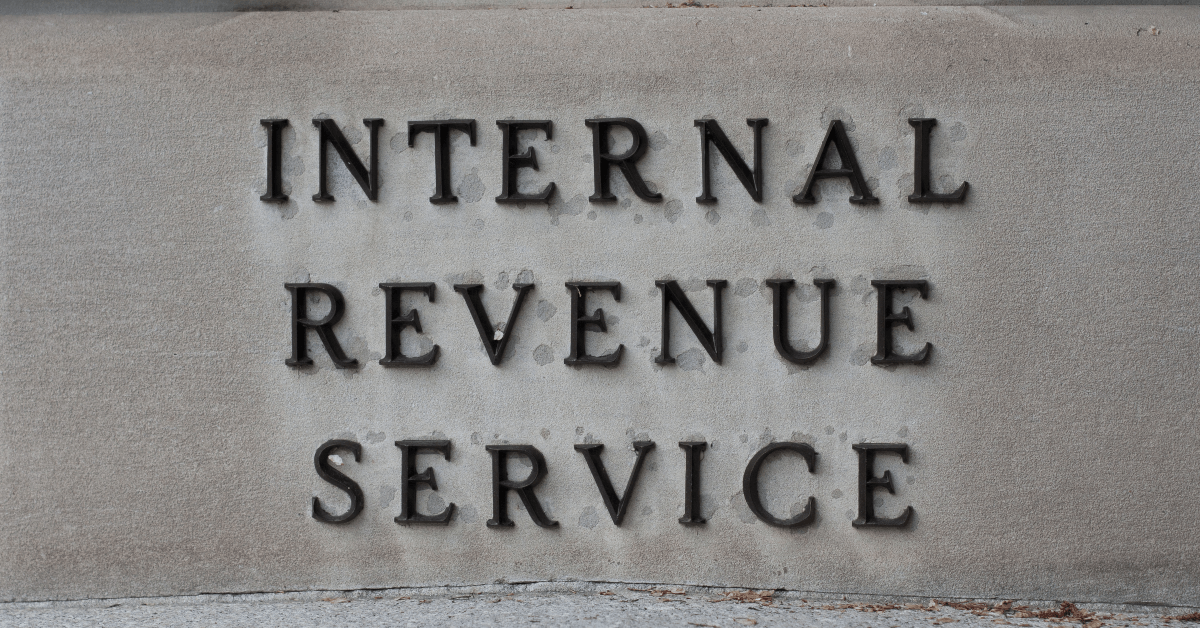
Waiting weeks for a tax refund, spending hours trying to reach the IRS, or struggling to resolve a mistake on your tax return might be frustrating, especially when you're trying to check up on your financial health. Now, lawmakers from both parties want to make those experiences easier for Americans.
The bipartisan Taxpayer Assistance and Service Act (TAS) could change how millions of taxpayers interact with the IRS, from tracking refunds to getting help with tax problems. The legislation has already passed the Senate unanimously and includes dozens of reforms designed to make the agency more responsive while strengthening protections for taxpayers.
Now Available: The Definitive Guide to Retirement Income
Many successful investors eventually reach the same moment. The saving is done, the portfolio is built, and the question quietly changes from how much can I grow this to how much can I take out? Get that second question wrong and decades of good investing can come apart in a handful of years.
That is exactly what The Definitive Guide to Retirement Income helps answer.1 <p class="">Investing in securities involves a risk of loss. Past performance is never a guarantee of future returns. Investing in foreign stock markets involves additional risks, such as the risk of currency fluctuations. Guides are provided by Fisher Investments. The publisher may be compensated when readers request a guide.</p> It covers what your retirement could actually cost, which income sources are worth using, and the withdrawal math that decides whether the money lasts. It is free today from Fisher Investments. Read More Here ›
Republicans and Democrats back major IRS changes
On September 30, the Senate unanimously approved the Taxpayer Assistance and Service Act, a package of 65 reforms aimed at improving IRS services and taxpayer rights. The legislation was developed by Senate Finance Committee Chairman Mike Crapo and Ranking Member Ron Wyden.
"This bipartisan legislation answers years of frustration felt by Americans trying to do their best to follow our tax laws," Crapo said in September.
Wyden focused more directly on the financial impact of delays and poor service. "Millions of Americans are struggling with the rising cost of living, and the last thing they need is to be hit by tax scammers who are able to dodge IRS scrutiny," said Wyden. "Our bipartisan legislation makes it easier for Americans to get filing assistance and ensures refunds get out the door and into Americans' hands on time."
The bill wouldn't change individual income tax rates. Instead, it focuses on making the existing tax system work better for the people using it.
Your tax refund could arrive faster
One of the biggest potential benefits involves refunds, with the bill requiring the IRS to expand electronic processing of paper returns. Paper returns generally take longer to process, particularly when the IRS faces backlogs, so digitizing more of them could help refunds reach taxpayers sooner.
The bill would also improve the IRS's "Where's My Refund?" tools, giving taxpayers clearer information about when their money might arrive and what steps to take if something goes wrong.
That could be particularly useful if you're counting on a refund to pay down debt, cover household expenses, or rebuild your emergency savings. However, the legislation wouldn't guarantee that every taxpayer receives a refund by a particular date.
Getting through to the IRS can be difficult
The bill would expand callback options so taxpayers could request a return call from more IRS phone numbers rather than remaining on hold. It would also improve online accounts, allowing taxpayers and their authorized representatives to access more tax information and communicate with the agency electronically.
In practice, those changes could make it easier to review correspondence, respond to notices, and resolve questions without relying entirely on phone calls or mailed documents. If you've ever received an IRS letter and struggled to understand what to do next, those changes could make a meaningful difference.
Released: The Definitive Guide to Retirement Income
Most people spend their entire working lives focusing on one thing: growing a pile of money. Then they retire and discover the skill they actually need is close to the opposite. Turning that pile into steady income, year after year, through good markets and bad, without ever running out. It may be the least discussed and most consequential transition in personal finance, and plenty of otherwise careful investors walk into it with no real plan.
That is exactly what The Definitive Guide to Retirement Income helps answer.1 <p class="">Investing in securities involves a risk of loss. Past performance is never a guarantee of future returns. Investing in foreign stock markets involves additional risks, such as the risk of currency fluctuations. Guides are provided by Fisher Investments. The publisher may be compensated when readers request a guide.</p> It is a free guide from Fisher Investments covering what your retirement will really cost, where the cash flow should come from, and how much you can safely withdraw each year. Learn More Here ›
The bill could protect you from costly IRS delays
Taxpayers could face penalties when returns or payments aren't submitted on time, even when technical problems complicate the process. The legislation includes a provision designed to provide clearer protection for electronic submissions.
Under the proposal, qualifying electronic returns and payments submitted by the deadline would generally receive the same timely-filing protection as mailed documents. As a result, taxpayers could have stronger protection from penalties when an electronic submission is sent on time but isn't immediately processed.
The bill would also strengthen taxpayer rights in disputes with the IRS, including expanding certain opportunities to challenge agency decisions. Those protections could matter if you're facing penalties, contesting a tax assessment, or trying to resolve an error that affects your finances.
Tax fraud victims could receive stronger protections
The bill would also reinforce protections for taxpayers caught up in fraud or identity theft. Identity theft involving tax returns could create serious problems, including delayed refunds and additional IRS scrutiny.
The bill includes measures intended to prevent fraud victims from remaining under indefinite examination because of someone else's actions. It would also strengthen oversight of paid tax preparers, who aren't all subject to the same minimum competency requirements.
The proposed changes could help protect taxpayers from dishonest or unqualified preparers whose mistakes or misconduct may lead to penalties, delayed refunds, or audits. That matters because even when someone else prepares your return, you're generally responsible for ensuring the information submitted to the IRS is accurate.
What would change for your next tax return?
The legislation could eventually make filing taxes and resolving IRS problems easier, but it hasn't become law. Although the Senate approved the bill, the House still needs to agree to the Senate's changes before the bill is sent to the president for his signature.
Even if enacted, some improvements would require the IRS to update its systems and procedures before taxpayers notice a difference. Until then, you could still use existing IRS tools to check your refund status, review your tax records, and manage notices through your online account.
Bottom line
Republicans and Democrats have united behind legislation that could improve how the IRS handles refunds, taxpayer questions, tax disputes, and fraud. The Senate has approved the bill, but the proposed changes won't take effect unless the legislation becomes law.
The Taxpayer Assistance and Service Act wouldn't lower your income tax rate or automatically increase your refund. However, it could make getting a refund, resolving mistakes, and dealing with the IRS faster and less stressful, particularly for Americans trying to cope with increasing bills.
More from FinanceBuzz:
- Retire like the rich: 14 ways you could build wealth in your 50s.
- Find out if you could pay less for car insurance in just a few clicks.
- Make these 7 savvy moves when you have $1,000 in the bank.
- 14 moves seniors could benefit from but often forget about.


- Eliminate your tax debt
- Potentially reduce the amount you owe
- Stop wage garnishments and bank levies
- Communicates with the IRS on your behalf