

 Add Us On Google

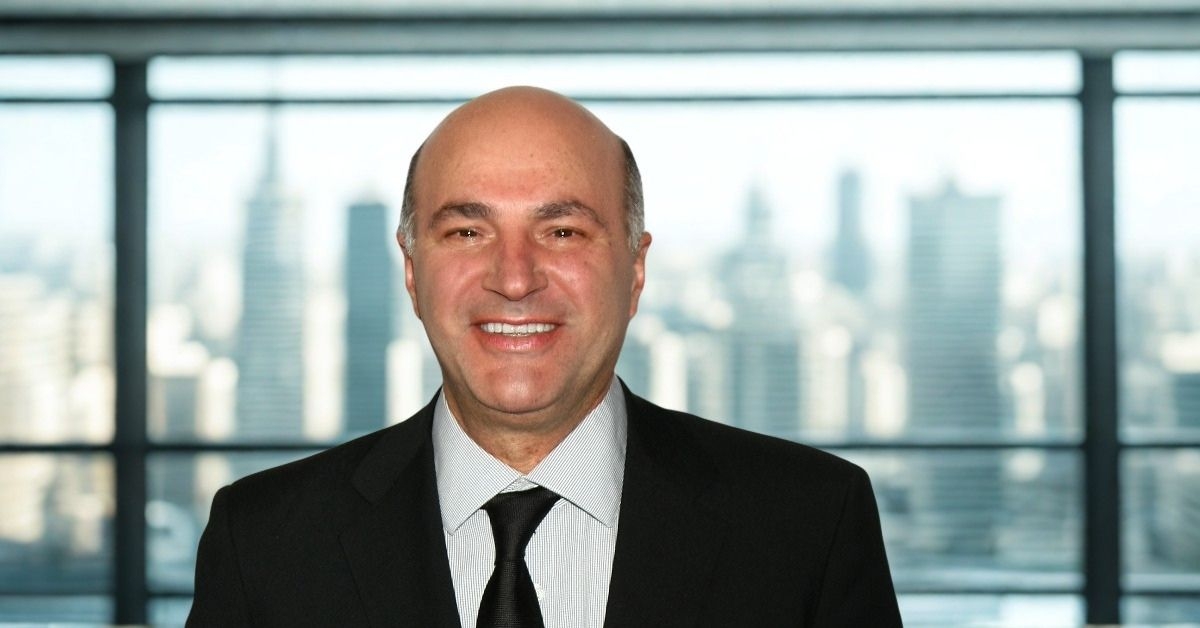
You see a familiar billionaire promoting a breakthrough diabetes treatment on Facebook. He looks real, sounds convincing, and seems confident that the product works. But according to Mark Cuban, scammers are using AI to impersonate him and sell products he never endorsed. It's a troubling example of how seemingly ordinary online shopping can lead to surprising financial mistakes.
And Cuban says he's hearing directly from the people being deceived.
The investor and former Shark Tank star recently criticized Facebook over advertisements featuring AI-generated versions of his face and voice. His warning comes as increasingly realistic deepfakes make it harder for consumers to distinguish legitimate endorsements from fraud.
Here's what you need to know.
Set up eligible direct deposit - pocket up to $400
Set up an eligible direct deposit with SoFi Checking and Savings and you could earn a bonus of $50 or $400.1 <p>New and existing Checking and Savings members who have not previously enrolled in Direct Deposit with SoFi are eligible to earn a cash bonus of either $50 (with at least $1,000 total Eligible Direct Deposits received within 25 calendar days of your first Eligible Direct Deposit of $1 or more) OR $400 (with at least $5,000 total Eligible Direct Deposits received within 25 calendar days of your first Eligible Direct Deposit of $1 or more). Cash bonus amount will be based on the total amount of Eligible Direct Deposit received within 25 calendar days of your first Eligible Direct Deposit of $1 or more. If you have satisfied the Eligible Direct Deposit requirements but have not received a cash bonus in your Checking account, please contact us at 855-456-7634 with the details of your Eligible Direct Deposit. Direct Deposit Promotion begins on 5/15/2026 and will be available through 12/31/2026. Full terms at <a href="https://www.sofi.com/banking/">sofi.com/banking</a>. SoFi Checking and Savings is offered through SoFi Bank, N.A., Member FDIC. SoFi members with Eligible Direct Deposit can earn 3.30% annual percentage yield (APY) on savings balances (including Vaults) and 0.50% APY on checking balances. There is no minimum Eligible Direct Deposit amount required to qualify for the 3.30% APY for savings (including Vaults). Members without Eligible Direct Deposit will earn 0.80% APY on savings balances (including Vaults) and 0.50% APY on checking balances. Interest rates are variable and subject to change at any time. These rates are current as of 9/23/26. Fees may reduce earnings. Additional information can be found at <a href="https://d32ijn7u0aqfv4.cloudfront.net/wp/wp-content/uploads/raw/SoFi-Bank-Rate-Sheet-September-23-2026.pdf">http://www.sofi.com/legal/banking-rate-sheet</a>.</p> Make the switch, set up eligible direct deposit, earn the bonus. It basically takes no extra work at all other than following these steps.
Why people are switching: This account earns up to an insane 4.40% APY2 <p>Earn up to 4.40% Annual Percentage Yield (APY) on one SoFi Savings account with a 1.10% APY Boost (added to the 3.30% APY as of 10/20/26) for up to 6 months. Open your first SoFi Checking and Savings account and receive eligible direct deposits OR qualifying deposits of $5,000 every 31 days by 12/31/27. Rates are variable, subject to change. Terms apply at <a href="https://www.sofi.com/banking/#4">sofi.com/banking#4</a>. SoFi Bank, N.A. Member FDIC.</p> on savings for up to six months (3.30% APY standard + 1.10% APY boost) on top of that $50 or $400 bonus.1 <p>New and existing Checking and Savings members who have not previously enrolled in Direct Deposit with SoFi are eligible to earn a cash bonus of either $50 (with at least $1,000 total Eligible Direct Deposits received within 25 calendar days of your first Eligible Direct Deposit of $1 or more) OR $400 (with at least $5,000 total Eligible Direct Deposits received within 25 calendar days of your first Eligible Direct Deposit of $1 or more). Cash bonus amount will be based on the total amount of Eligible Direct Deposit received within 25 calendar days of your first Eligible Direct Deposit of $1 or more. If you have satisfied the Eligible Direct Deposit requirements but have not received a cash bonus in your Checking account, please contact us at 855-456-7634 with the details of your Eligible Direct Deposit. Direct Deposit Promotion begins on 5/15/2026 and will be available through 12/31/2026. Full terms at <a href="https://www.sofi.com/banking/">sofi.com/banking</a>. SoFi Checking and Savings is offered through SoFi Bank, N.A., Member FDIC. SoFi members with Eligible Direct Deposit can earn 3.30% annual percentage yield (APY) on savings balances (including Vaults) and 0.50% APY on checking balances. There is no minimum Eligible Direct Deposit amount required to qualify for the 3.30% APY for savings (including Vaults). Members without Eligible Direct Deposit will earn 0.80% APY on savings balances (including Vaults) and 0.50% APY on checking balances. Interest rates are variable and subject to change at any time. These rates are current as of 9/23/26. Fees may reduce earnings. Additional information can be found at <a href="https://d32ijn7u0aqfv4.cloudfront.net/wp/wp-content/uploads/raw/SoFi-Bank-Rate-Sheet-September-23-2026.pdf">http://www.sofi.com/legal/banking-rate-sheet</a>.</p> That's way better than the measly 0.38% APY (as of 10/19/26)3 <p>Based on <a href="https://www.fdic.gov/national-rates-and-rate-caps">this</a> FDIC data, as of 6/15/26.</p> national average savings accounts offer.
No monthly fees and no surprises. Open your account and earn up to a $400 bonus
Cuban says seniors are buying a fake $294 diabetes cure
During an August 21 appearance on the Pivot podcast, Cuban described receiving emails every week from older people who believe he's selling a diabetes cure. Some ask whether the product will work, while others say they've already paid $294 for a treatment advertised using his likeness.
Cuban said scammers are creating AI-generated versions of him to promote products he hasn't endorsed. He accused Facebook (Meta) of allowing the advertisements to circulate despite his efforts to flag them, calling the platform "the worst of the worst."
The problem isn't simply that someone is using his image without permission. It's that people are spending real money based on what they believe is a trustworthy recommendation from someone they recognize.
Even disclaimers may not protect unsuspecting buyers
Cuban also described advertisements containing fine print acknowledging that the person shown is AI-generated and that the content is intended for entertainment. He argued that such disclosures offer little protection when viewers have already accepted the supposed endorsement as genuine.
His criticism comes amid broader scrutiny of Facebook's parent company, Meta. A November 2025 Reuters investigation found internal documents estimating that approximately $16 billion, or 10% of Meta's 2024 revenue, could come from advertisements promoting scams and prohibited products.
Meta disputed that estimate, calling it rough and overly inclusive, and said its actual exposure was lower. The company also reported substantial reductions in scam-ad complaints and said it was investing in better detection systems.
Still, the controversy highlights a basic problem for consumers: An advertisement appearing on a major platform isn't necessarily legitimate, even if it features someone famous.
Older Americans lost billions to online fraud in 2025
The potential financial damage goes far beyond Cuban's experience. According to the FBI's 2025 Internet Crime Report, Americans age 60 and older filed 201,266 complaints involving approximately $7.75 billion in reported losses.
That represented a 59% increase in reported dollar losses from 2024. The FBI also identified 3,143 AI-related complaints among people in this age group, demonstrating that technology-assisted scams are already appearing in cases involving older victims.
Across all ages, the FBI recorded more than 22,000 complaints involving AI-related information, with reported losses exceeding $893 million. Those figures cover multiple types of online crime, not just fraudulent advertisements or celebrity impersonations.
Cuban is hardly the only public figure whose likeness has been exploited. The Federal Trade Commission (FTC) has previously warned about scammers using doctored images and videos of Shark Tank personalities to promote questionable products.
Resolve $10,000 or more of your debt
National Debt Relief could help you resolve your credit card debt with an affordable plan that works for you. Just tell them your situation, then find out your debt relief options.4 <p>Please note that all calls with the company may be recorded or monitored for quality assurance and training purposes. Clients who are able to stay with the program and get all their debt settled realize approximate savings of 45% before fees, or 20% including our fees, over 24 to 48 months. All claims are based on enrolled debts. Not all debts are eligible for enrollment. Not all clients complete our program for various reasons, including their ability to save sufficient funds. Estimates based on prior results, which will vary based on specific circumstances. We do not guarantee that your debts will be lowered by a specific amount or percentage or that you will be debt-free within a specific period of time. We do not assume consumer debt, make monthly payments to creditors or provide tax, bankruptcy, accounting or legal advice or credit repair services. Not available in all states. Please contact a tax professional to discuss tax consequences of settlement. Please consult with a bankruptcy attorney for more information on bankruptcy. Depending on your state, we may be available to recommend a local tax professional and/or bankruptcy attorney. Read and understand all program materials prior to enrollment, including potential adverse impact on credit rating. "Debt-Free" applies only to enrolled credit cards, personal loans, and medical bills. Not mortgages, car loans, or other debts. Results vary.</p>
Sign up for a free debt assessment here.
A few simple checks can help you avoid getting fooled
Start by treating celebrity endorsements in social media feeds as unverified until you independently confirm them. The FTC recommends searching the celebrity's name alongside the product name and words such as "scam" or "fake" before buying anything.
Be especially cautious with medical products promising miracle results. The Food & Drug Administration (FDA) warns that unapproved diabetes treatments sold online may be ineffective or dangerous, and consumers should consult a health care professional before trying unfamiliar products. Prescription medicines should come from properly licensed pharmacies, not unknown sellers advertising through social media.
It's also worth discussing these scams with the family member who spends the most time scrolling through Facebook, Instagram, or similar platforms. Rather than simply warning them that everything online is fake, show them how a realistic celebrity video can be manufactured and why an independent search matters.
Bottom line
Would you recognize a fraudulent advertisement if it featured someone you've watched on television for years? That's the challenge Cuban's experience brings into focus. AI can make familiar faces and voices appear to endorse products they have nothing to do with, and even a small purchase can expose consumers to further financial risks.
If you're helping an older relative navigate social media, make verification a regular habit rather than waiting until something goes wrong. Slowing down, checking claims independently, and consulting trusted medical professionals can help you make the right moves and keep scammers from turning misplaced trust into financial losses.
More from FinanceBuzz:
- Retire like the rich: 14 ways you could build wealth in your 50s.
- Find out if you could pay less for car insurance in just a few clicks.
- Make these 7 savvy moves when you have $1,000 in the bank.
- 14 moves seniors could benefit from but often forget about.







Intro Offer
INTRO OFFER: Unlimited Cashback Match for all new cardmembers. Plus, get a $200 statement credit when you spend $500 in the first 3 months after account opening.
Annual Fee $0 Why we like it