



/images/2023/09/14/woman_using_laptop.jpg)

/images/2019/12/06/smart_strategies_to_save_money_on_car_insurance.jpg)
:format(webp)/images/2026/04/30/woman-at-pharmacy.jpg)
/authors/sara-albertelli-headshot.jpg)
/authors/laura_hohenstein_headshot.jpg)


 Add Us On Google

A surprising number of Medicare Advantage enrollees are sitting on hundreds of dollars in unused benefits each year without realizing it. These "wellness bucks," often loaded onto a prepaid flex card, could total several hundred dollars annually, according to a KFF analysis of CMS Medicare Advantage Landscape and Benefit files. But because the money isn't deposited as cash and isn't always clearly communicated, many people never use it.
That makes this one of the most overlooked senior benefits right now. And with some plans having quietly scaled back offerings for 2026, knowing what you have and how to use it matters more than ever. Here's what to know.
Get a protection plan on all your appliances
Did you know if your air conditioner stops working, your homeowner’s insurance won’t cover it? Same with plumbing, electrical issues, appliances, and more.
A home warranty from Choice Home Warranty could pick up the slack where insurance falls short.
For a limited time, you can get your first month free with a Single Payment home warranty plan.
What is the Medicare Advantage flex card?
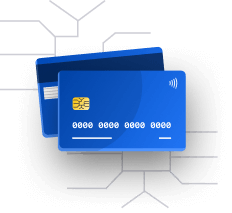
A Medicare Advantage flex card is essentially a prepaid debit card tied to your plan. It's funded by your insurer and designed to cover specific health-related expenses.
The key detail: it's not universal. Only certain Medicare Advantage (Part C) plans offer this benefit, and the amount varies widely. Some plans might provide a modest quarterly allowance, while others offer a more substantial annual total that's split into smaller deposits.
What you can (and can't) use the funds on
Most flex cards are geared toward everyday health expenses that don't always feel "medical" but still add up over time. Common eligible purchases include:
- Over-the-counter items like vitamins and pain relievers
- First aid supplies and basic medical equipment
- Dental, vision, or hearing-related costs (in some plans)
A smaller subset of plans, particularly those for dual-eligible or chronically ill members, may allow spending on groceries, transportation, or accessibility upgrades. These expanded uses are less common but can be especially valuable.
Why so many seniors never use the money
The biggest issue is awareness. Many enrollees simply don't realize these benefits exist or misunderstand how they're used.
Unlike a refund, the money is typically loaded onto a separate card and can only be used at approved retailers. There's no check in the mail and no direct deposit. If you don't actively look for it or receive clear communication from your plan, it's easy to miss entirely.
If you’re over 50, take advantage of massive discounts and financial resources
Over 50? Join AARP today— because if you’re not a member you could be missing out on huge perks. When you start your membership today, you can get discounts on things like travel, meal deliveries, eyeglasses, prescriptions that aren’t covered by insurance and more.
Start your membership by creating an account here and filling in all of the information (Do not skip this step!) Doing so will allow you to take up to 25% off your AARP membership, making it just $15 the first year with auto-renewal.
The "use it or lose it" catch
Flex card funds usually come with strict expiration rules. In many cases, balances reset monthly or quarterly, and unused amounts don't roll over.
Some Medicare Advantage plans offer supplemental spending allowances through a plan-issued debit or "flex" card. Depending on the plan, those benefits may help cover eligible over-the-counter products, healthy foods, transportation, or certain dental, vision, and hearing expenses. The amount and eligible purchases vary, so check your plan before you spend.
According to KFF's analysis of 2026 Medicare Advantage data, 66% of individual Medicare Advantage plans offer an over-the-counter allowance. Benefits can change each year, and unused funds may expire depending on the plan.
This structure is one of the main reasons insurers see a significant portion of these funds go unused each year.
Fewer plans are offering this benefit in 2026
There's another wrinkle for the 2026 plan year: availability appears to be shrinking.
According to Wakely's 2026 Medicare Advantage benefit analysis, the share of Medicare Advantage plans offering over-the-counter flex card-style benefits has declined from roughly 73% in 2025 to about 66% in 2026. That doesn't mean the benefit is disappearing altogether, but it does mean fewer enrollees may have access.
For current members, it also underscores the importance of checking your plan annually during open enrollment, which runs from Oct.15-Dec. 7, 2026, for 2027 coverage. Remember, benefits can change from year to year.
How to check if you have a flex card
If you're not sure whether or not you have this benefit, there are a few potential ways to find out:
- Review your plan's Summary of Benefits or Evidence of Coverage
- Call the member services number on your insurance card
- Log into your plan's online portal or mobile app
Once you confirm eligibility, you can typically check your remaining balance and see a list of approved retailers or categories.
Retirement News: Almost 80% of Americans fear a retirement age increase — here’s the real reason why
How to make sure you don't leave money on the table
If you do have a flex card, your goal should be to use it intentionally before it expires. Consider using it to stock up on eligible items you already buy, or plan ahead for predictable expenses like dental cleanings or vision care.
Even small, consistent use can add up over the year and reduce out-of-pocket costs you would otherwise pay.
What to watch for
Flex cards can be useful, but they often come with limitations that are easy to overlook. For instance, not every store accepts them, and purchases are often restricted to specific categories or approved items. Some plans require you to use in-network retailers or pharmacies.
It's also important to read the fine print. Certain items may look eligible but aren't covered, leading to declined transactions at checkout. Taking a few minutes to review your plan's rules upfront can help you avoid frustration and make sure you're actually able to use the benefit when you need it.
Bottom line
Flex cards aren't a windfall, but they can quietly reduce your out-of-pocket healthcare costs if you use them correctly. The problem is that many enrollees either don't know the benefit exists or assume it works like cash, so funds expire unused. That's one of the easier ways to avoid wasting money in retirement without making any major lifestyle changes.
To help you use your flex funds on time, set a reminder around when funds reload or expire. Even a modest monthly allowance could cover routine purchases like medication you already buy, helping you hold onto more of your retirement income over time.
More from FinanceBuzz:
- Retire like the rich: 14 ways you could build wealth in your 50s.
- Find out if you could pay less for car insurance in just a few clicks.
- Make these 7 savvy moves when you have $1,000 in the bank.
- 14 moves seniors could benefit from but often forget about.
/images/2021/04/21/adobestock_192812280_1200x628.jpg)

/images/2019/12/06/smart_strategies_to_save_money_on_car_insurance.jpg)
/images/2025/01/28/adobestock_628402894_1.jpeg)
/images/2024/09/04/adobestock_669069249_editorial_use_only_1.jpeg)
/images/2020/03/02/tattoo-woman-bar.jpeg)
/images/2020/12/21/smiling-couple-looking-at-laptop-screen.jpeg)
/images/2022/08/04/aarp-logo.jpeg)
- Huge discounts on travel, groceries, prescriptions and more
- Access to financial planning resources and health tools
- Join AARP and get 25% off with automatic renewal
/images/2021/01/22/car_ride3.jpg)
/images/2023/01/27/young_man_driving_a_car.jpg)
/images/2019/12/11/best_part-time_jobs_with_health_insurance.jpg)
/images/2025/10/30/old-woman-frustrated.jpg)
/images/2026/09/23/ramsey-solutions-logo-contrast-hand.jpg)
/images/2024/04/08/medicare-premiums-sticky-note-besides-stethoscope.jpeg)
/images/2026/02/11/mark-cuban_1.jpg)
/images/2025/05/22/health_insurance_discussion_with_doctor.jpg)
/images/2026/07/01/18_donald-trump-6.jpg)
/images/2026/09/15/medicare-long-term-care.png)
/images/2026/07/08/medicare-changes.png)
