 Add Us On Google

The warning was blunt and delivered in public: Postmaster General David Steiner told a House oversight subcommittee in March 2026 that the U.S. Postal Service is less than a year from running out of money. In response, USPS paused contributions to employee retirement accounts, which has delayed the agency from running out of cash this year.
Instead, USPS expects to see cash problems between 2031 and 2034.
This is not a drill. For the over 170 million addresses USPS delivers to six days a week, the consequences are anything but abstract. Retirees and others who rely on the mail for senior benefits have a direct, concrete stake in what happens over the next decade. Here's what's driving the crisis, what it could mean for your mailbox, and what Congress can do about it.
Now Available: The Definitive Guide to Retirement Income
Many successful investors eventually reach the same moment. The saving is done, the portfolio is built, and the question quietly changes from how much can I grow this to how much can I take out? Get that second question wrong and decades of good investing can come apart in a handful of years.
That is exactly what The Definitive Guide to Retirement Income helps answer.1 <p class="">Investing in securities involves a risk of loss. Past performance is never a guarantee of future returns. Investing in foreign stock markets involves additional risks, such as the risk of currency fluctuations. Guides are provided by Fisher Investments. The publisher may be compensated when readers request a guide.</p> It covers what your retirement could actually cost, which income sources are worth using, and the withdrawal math that decides whether the money lasts. It is free today from Fisher Investments. Read More Here ›
How did USPS get here?
USPS ended fiscal year 2025 with a net loss of $9 billion on total revenue of $80.5 billion, and the core reason is simple: far fewer people use the mail. First-Class Mail and Marketing Mail volumes have fallen by more than 50% since 2007, gutting the product that once made USPS reliably profitable. Package delivery has grown to fill some of that gap. Shipping and packages now account for roughly 40% of total operating revenue, up from about 14% in 2007, but competing against UPS, FedEx, and Amazon's own logistics network in a crowded market hasn't been enough to offset the losses.
The deeper problem is structural. Unlike any private carrier, USPS is legally required to maintain routes and facilities for every address in the country, regardless of profitability. That universal service obligation is expensive to sustain as volume falls. Layered on top are retirement-related obligations of roughly $10.3 billion annually: costs set largely by federal statute and outside the agency's control.
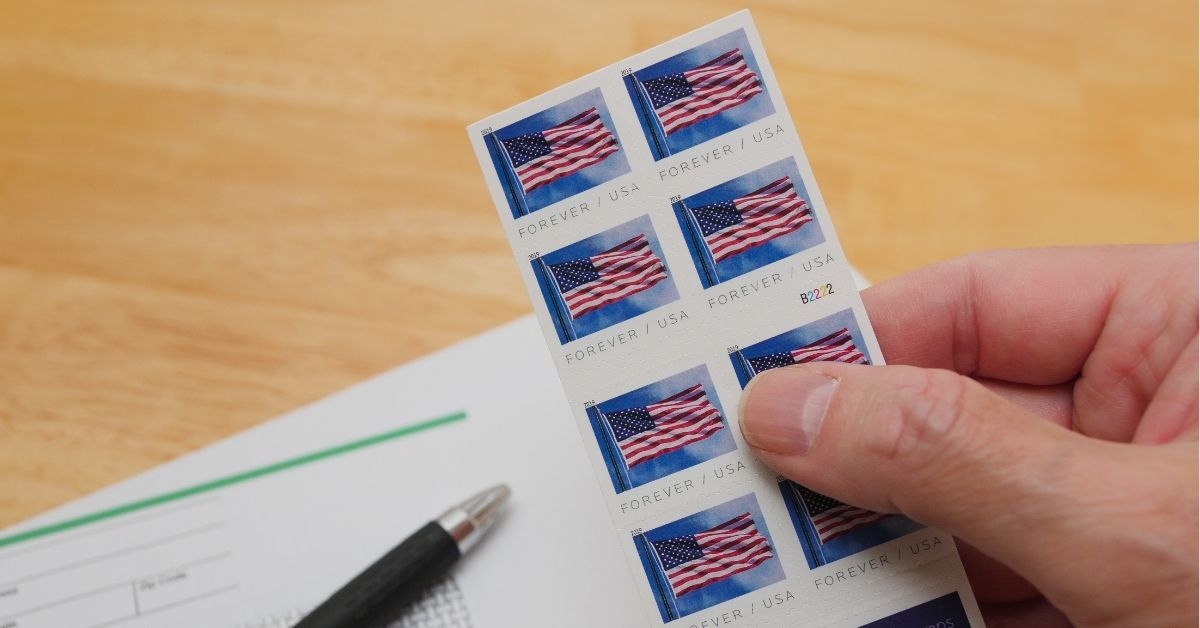
In response, the agency has suspended roughly $2.5 billion in pension contributions and proposed additional stamp-price increases as short-term steps to shore up its finances. On July 12, 2026, USPS announced it was raising the price of its Forever stamp from $0.78 to $0.82.
So will your mail actually stop?
USPS has no plans to stop delivering mail anytime soon, but it may need to adopt different delivery strategies down the road. Reducing delivery from six days to five, dropping unprofitable routes, and closing smaller post offices are all, in Steiner's words, "on the table." He was direct when pressed by lawmakers: "We are in a crisis, and when you are in a crisis, everything has to be on the table." Those changes would hit rural communities hardest, where USPS is often the only carrier willing to deliver at all.
At a May 2026 board of governors meeting, Steiner laid out the choice plainly: give USPS flexibility to cut mandated service levels and raise prices, in which case "the American public would see reduced levels of service and higher rates," or compensate USPS for maintaining those mandates as a public good. The Government Accountability Office has backed that framing, with GAO Director David Marroni telling lawmakers it is "highly unlikely that USPS will be able to fix its financial condition on its own" and that congressional action is necessary.
What can Congress actually do?
Although USPS has delayed the worst of the budget crisis, USPS expects to have severe funding problems between 2031 and 2034. In August, 2026, Steiner appeared before Congress to request dedicated federal funding. USPS is authorized to request up to $460 million per year as a "public service reimbursement" for its universal service mandate, compensation for doing what no private company would do, but hasn't requested or received that funding since 1982. Steiner has argued that updating that figure to reflect 2026 realities isn't a bailout; it's a fair exchange for a genuine public service.
A second path is restructuring retirement and pension obligations, which drive the bulk of annual losses. By law, USPS can only invest its retirement funds in low-yield Treasury bonds. The USPS Inspector General estimated in 2023 that those funds would have been worth approximately $800 billion more had they been allowed to invest in a standard 60/40 stock and bond mix. A third option is loosening pricing restrictions and raising the borrowing cap frozen since 1992.
The obstacle is political. Several House Republicans who helped pass the Postal Service Reform Act in 2022, which eliminated burdensome retiree health prefunding requirements and saved USPS $107 billion, have signaled skepticism about another rescue. "Everything that you're talking about today, we did five years ago," said House Oversight Committee Chairman James Comer.
Released: The Definitive Guide to Retirement Income
Most people spend their entire working lives focusing on one thing: growing a pile of money. Then they retire and discover the skill they actually need is close to the opposite. Turning that pile into steady income, year after year, through good markets and bad, without ever running out. It may be the least discussed and most consequential transition in personal finance, and plenty of otherwise careful investors walk into it with no real plan.
That is exactly what The Definitive Guide to Retirement Income helps answer.1 <p class="">Investing in securities involves a risk of loss. Past performance is never a guarantee of future returns. Investing in foreign stock markets involves additional risks, such as the risk of currency fluctuations. Guides are provided by Fisher Investments. The publisher may be compensated when readers request a guide.</p> It is a free guide from Fisher Investments covering what your retirement will really cost, where the cash flow should come from, and how much you can safely withdraw each year. Learn More Here ›
Bottom line
The USPS cash crisis is real, the timeline is short, and the outcome depends on whether Congress acts before the money runs out. Without intervention, Americans should expect fewer delivery days, higher postage rates, and closed post offices, with rural and elderly residents bearing the brunt.
In the meantime, it's worth auditing which bills, checks, or prescriptions you still receive by mail and whether alternatives exist. If part of your retirement plan involves receiving benefit statements, pension notices, or required minimum distribution paperwork by post, now is a good time to switch to digital delivery or direct deposit. Taking these small steps could strengthen your financial fitness if disruptions arrive sooner than expected.
More from FinanceBuzz:
- Retire like the rich: 14 ways you could build wealth in your 50s.
- Find out if you could pay less for car insurance in just a few clicks.
- Make these 7 savvy moves when you have $1,000 in the bank.
- 14 moves seniors could benefit from but often forget about.







Intro Offer
UNLIMITED CASHBACK MATCH: Discover will automatically match all the cash back you’ve earned at the end of your first year! There’s no minimum spending or maximum rewards. You could turn $150 cash back into $300. Click Apply Now to view important rates and disclosures. Plus, receive a $200 statement credit when you spend $500 on purchases in your first 3 months of account opening.
Annual Fee $0 Why we like it