Add Us On Google

Millions of Americans depend on Social Security senior benefits, and there's been lots of discussion around how Congress might preserve the program's financial future. Even as the program's importance is front and center in the media, talk of cuts to such programs has leaked. Audio from a private donor meeting reveals a Texas Senate candidate advocating for cuts to mandatory spending programs in an attempt to regulate the U.S. fiscal deficit.
Here's what you should know about the comments made and how such potential cuts might affect you.
Now Available: The Definitive Guide to Retirement Income
Many successful investors eventually reach the same moment. The saving is done, the portfolio is built, and the question quietly changes from how much can I grow this to how much can I take out? Get that second question wrong and decades of good investing can come apart in a handful of years.
That is exactly what The Definitive Guide to Retirement Income helps answer.1 <p class="">Investing in securities involves a risk of loss. Past performance is never a guarantee of future returns. Investing in foreign stock markets involves additional risks, such as the risk of currency fluctuations. Guides are provided by Fisher Investments. The publisher may be compensated when readers request a guide.</p> It covers what your retirement could actually cost, which income sources are worth using, and the withdrawal math that decides whether the money lasts. It is free today from Fisher Investments. Read More Here ›
The recording of Paxton's comments
The Texas Tribune published a leaked recording from a private meeting with donors and lobbyists. The recording features Ken Paxton, the Republican Senate nominee for Texas, saying he would target "mandatory spending" programs if elected. Such programs include Social Security, Medicare, and Medicaid; Paxton made the comments when discussing the fiscal deficit.
"Making some reasonable cuts to mandatory spending—you're gonna have to do it," said Paxton. "Or there is no solution. That's just the reality. We have to suck it up."
Paxton also indicated he didn't plan to increase taxes in an effort to address the deficit, stating instead that he believed tax cuts might generate more revenue.
The race for the Texas Senate seat
Paxton is engaged in a highly contested race against Democrat James Talarico for the Texas Senate seat. Trump endorsed Paxton in the May runoff, and now he's running against Talarico in a highly competitive race expected to cost millions of dollars.
Some polls have shown that Paxton and Talarico are tied, though others have placed Talarico slightly ahead of Paxton. A win for Talarico could become a historic event, since Texas hasn't elected a Democrat to the Senate since 1988. A Democratic win could bring Democrats one seat closer to holding a majority in the Senate.
Paxton's reaction to the leaked recording
Paxton provided a statement to The Texas Tribune denying that he plans to support cutting Social Security or Medicare.
"We have to solve the national debt while keeping the promises we made to everyone who paid into these programs," Paxton said. "The fake news keeps spinning the same cherry-picked audio to mislead Texans and take my words out of context. I have never said I would take away entitlements from those who deserve or earned them."
Released: The Definitive Guide to Retirement Income (Sponsor)
Most people spend their entire working lives focusing on one thing: growing a pile of money. Then they retire and discover the skill they actually need is close to the opposite. Turning that pile into steady income, year after year, through good markets and bad, without ever running out. It may be the least discussed and most consequential transition in personal finance, and plenty of otherwise careful investors walk into it with no real plan.
That is exactly what The Definitive Guide to Retirement Income helps answer.1 <p class="">Investing in securities involves a risk of loss. Past performance is never a guarantee of future returns. Investing in foreign stock markets involves additional risks, such as the risk of currency fluctuations. Guides are provided by Fisher Investments. The publisher may be compensated when readers request a guide.</p> It is a free guide from Fisher Investments covering what your retirement will really cost, where the cash flow should come from, and how much you can safely withdraw each year. Learn More Here ›
Responses to Paxton's statement
Paxton's statement denying he plans to cut programs like Social Security was met with strong criticism.
"Paxton is literally laughing with lobbyists while talking about cutting Social Security and healthcare for Texans," the Texas Democratic Party wrote on X. "This guy is just plain evil."
Alex Lawson, executive director of Social Security Works, also criticized Paxton's actions.
"This is a sick man who thinks it's a joke to push over a million Texans into poverty by stealing their hard-earned benefits," said Lawson. "This is a man who should not be allowed anywhere near the levers of power, since clearly he thinks working people are a joke to be laughed at with the billionaire donors he works for."
How mandatory spending program cuts might impact beneficiaries
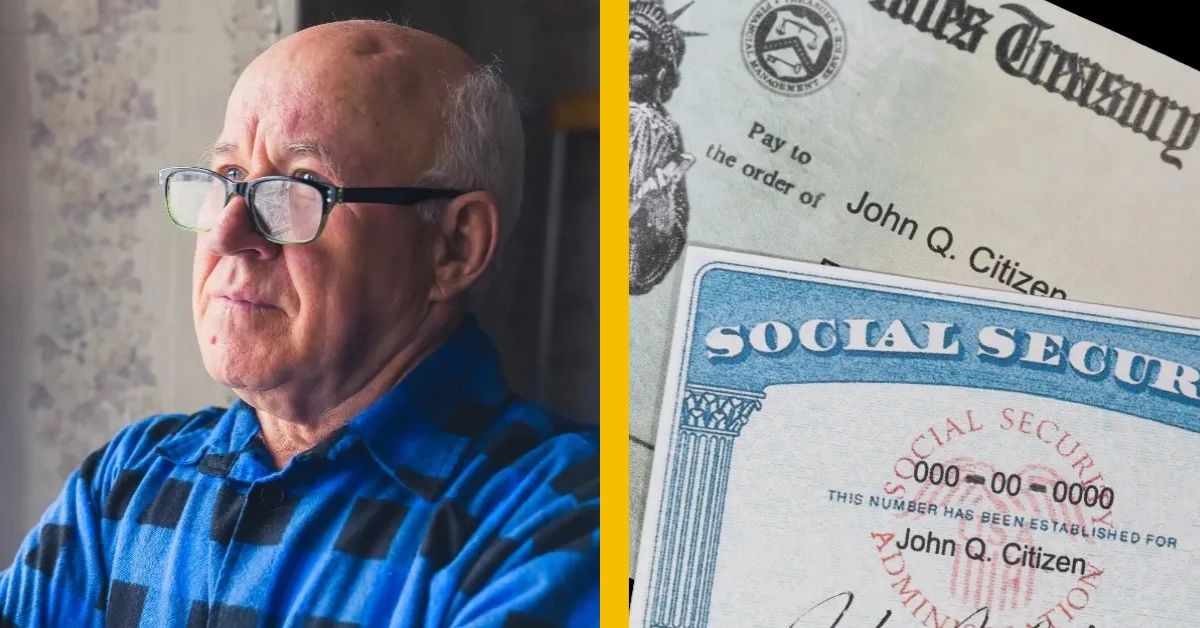
Cutting "mandatory spending" programs like Medicare and Social Security could have a significant impact on beneficiaries. Let's look at Social Security. The average Social Security monthly benefit for an individual was about $2,092 per month as of June 2026. Exact benefit amounts are calculated based on factors like how much that worker earned. Regardless, $2,000 per month isn't much, especially if that worker has minimal retirement savings of their own or lives in an area with a high cost of living.
Who's most at risk of mandatory spending program cuts
Social Security also plays a key role in lifting Americans out of poverty. According to a February 2026 statement from the Center on Budget and Policy Priorities (CBPP) using 2024 data, Social Security helps reduce poverty in every state, and the program lifts more people out of poverty than any other U.S. program. The CBPP reports that Social Security helps lift 23.5 million adults and children above the poverty line. The CBPP also found that the program is particularly important for older women and people of color, since these demographics often have fewer retirement resources outside of Social Security.
Cutting these benefits might impact these vulnerable Americans already living on the edge of poverty, and cuts wouldn't necessarily have to be significant to cause these beneficiaries to fall into poverty. The Center for Retirement Research at Boston College reports that Social Security benefits account for 83% of the total income for older Americans in the lowest quintile of income distribution. Reliance on Social Security declines to 64% for the second quintile. Some beneficiaries are highly dependent on the program, and even small cuts might have tremendous financial consequences.
Retirement News: Almost 80% of Americans fear a retirement age increase — here’s the real reason why
Bottom line
Paxton's remarks about potentially cutting programs like Social Security come at a time when the program's financial future is already uncertain. Congress has already been tasked with implementing reforms to keep Social Security solvent and avoid benefits cuts. Though Paxton denies plans to cut benefits, this is an important subject to monitor, especially during and after the midterm elections.
If you're concerned about how reduced benefits might affect you, consider sitting down with a financial planner. This might be a good time to stress test your retirement plan and to come up with a strategy on how you might get by if your benefits were reduced.
More from FinanceBuzz:
- Retire like the rich: 14 ways you could build wealth in your 50s.
- Find out if you could pay less for car insurance in just a few clicks.
- Make these 7 savvy moves when you have $1,000 in the bank.
- 14 moves seniors could benefit from but often forget about.


- Huge discounts on travel, groceries, prescriptions and more
- Access to financial planning resources and health tools
- Join AARP and get 25% off with automatic renewal