

 Add Us On Google

Digital price tags are popping up everywhere. If you're wondering what the small screens under your favorite products are and how they could impact your next shopping trip, we've got you covered with all the info you need on these high-tech retail tools.
You're looking for a way to save money on groceries, everyday essentials, clothing, home goods, and more. But the flickering sign on the shelf makes you worry that the price you see could change at any moment. While the dynamic digital feature has left some consumers anxious about fair pricing, others appreciate the convenience and reliability of this modern tool.
What do you need to know before your next trip to the store? Keep reading to learn more about DSLs (digital shelf labels).
What are digital price tags?
It's all in the name. Digital price tags (also known as electronic shelf labels, electronic shelf tags, digital shelf labels, or DSLs) are digital tags that replace the older paper version. That means some stores have a teeny-tiny screen under the product instead of a printed paper rectangle or a price sticker. According to the National Retail Federation (NRF), DSLs are simply "electronic labels" that display prices.
Unlike other high-tech retail additions, the tags are fairly straightforward. The NRF notes that the electronic devices are for display purposes only. They don't track consumer spending habits, don't collect data, and don't set prices. DSLs are the in-store equivalent of the digital displays you see outside gas stations or on some fast-food drive-thru menus.
Why do stores use digital shelf labels?
If you're wondering why some retailers have switched from paper to electronic displays, you aren't alone. The seemingly sudden introduction of electronic price tags has thrown some consumers for a loop. But there are reasons behind this change.
Digital displays have benefits for stores and for customers. Mispriced items and lack of clarity are common complaints among retail consumers. In the past, employees had to manually switch tags when prices changed. This makes errors possible. A missed tag could result in an unwelcome surprise at the cash register. And while some stores honor the difference and will match the price, others won't.
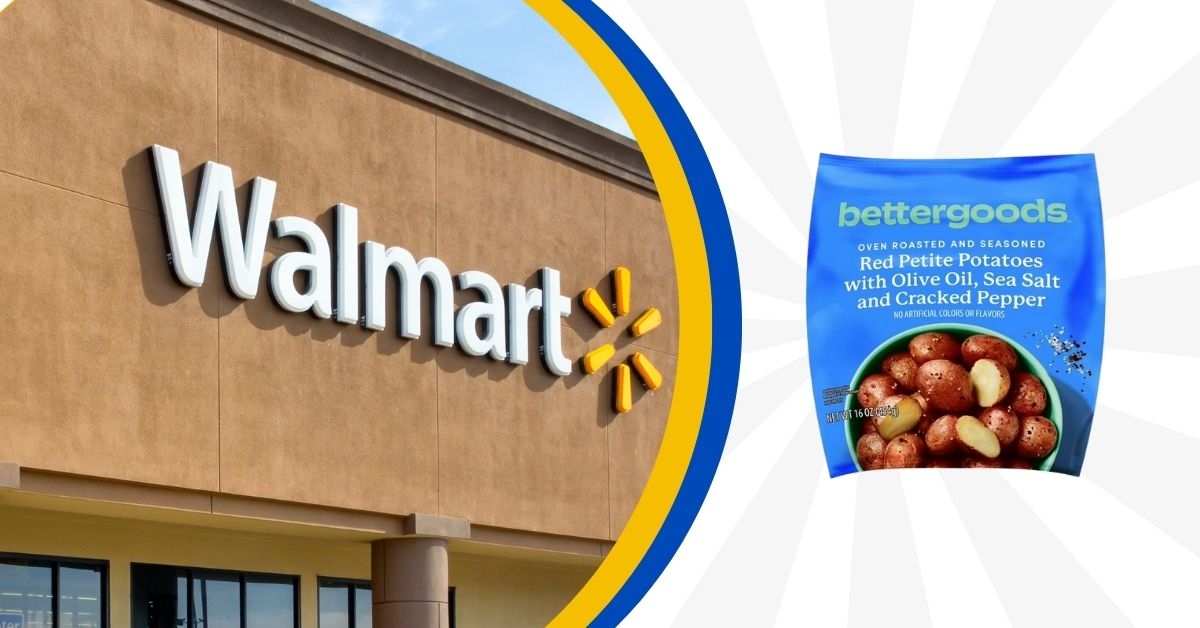
Walmart President and CEO John Furner recently issued a statement on DSLs, explaining, "A shelf price should match what rings up at checkout. Digital shelf labels help us do that more consistently by displaying the right price. They also save associates time replacing paper tags ... Our associates would much rather be helping you, our customers."
Instead of waiting for employees to replace individual paper labels when prices change (up or down), retailers can update the digital tags immediately. This means shoppers will get the most accurate, up-to-date price possible.
Which grocery stores, warehouse clubs, and superstores use digital price tags?
The number of retailers using digital shelf displays is growing. Popular chains that already use these price tags in at least some locations include Aldi, Walmart, Kroger, Sam's Club, Hy-Vee, Target, Whole Foods Market, and Kohl's.
While digital or electronic shelf labels are fairly new to U.S. consumers, European retailers have used this strategy for years.
Keep in mind that even though some retailers have already adopted these electronic displays, they won't necessarily implement DSL strategies across the board. This means you could see a digital price tag at your hometown Whole Foods Market, but may not find the same high-tech display when you go on vacation to another state.
Why is there a backlash against electronic shelf labels?
With all the benefits of digital price tags, why are politicians and consumers pushing back? According to the NRF, some state legislators are looking to ban the labels, fearing that the easy-to-change electronic displays could displace human workers.
Along with this concern, some consumers worry that the labels make it too easy for stores to switch prices quickly. This could lead to rapidly rising costs, surge pricing, and price gouging. Proponents of DSLs, such as the NRF, counter this argument, noting that retailers maintain price consistency for all customers within a store, associates review changes outside normal shopping hours, and shelf labels don't "interact" with shoppers.
Can DSLs save you money?
Yes, DSLs could potentially save you money. The dynamic display allows retailers to rapidly adjust prices based on upcoming sales and overriding economic factors. If the price of an item suddenly drops by a few cents or dollars, you won't have to wait days or longer to pay the lower price.
Not only do digital displays provide consumers with the most accurate prices possible, but they could also impact the retailer's overhead. As one Redditor recently pointed out, "The labor involved with relabeling and re-tagging is a huge expense. And when something is wrong and doesn't match, fixing the price at the register or after when the customer notices on their receipt is another time suck and bad customer experience."
The less a retailer has to spend, the more likely they are to pass those savings along to the shopper.
Bottom line
When it comes down to it, retailers aren't using digital shelf labels to pull one over on the customer or make shopping harder. While some politicians want to ban DSLs, a growing number of retailers are using these high-tech tools to help consumers get the best prices possible and make life easier for their employees.
While digital tags could potentially help you cut costs, we have a few more ways to save. Avoid wasting money by choosing generic dupes over expensive brand names, using retailers' apps to compare prices while you shop, and only buying what your household can reasonably use.
More from FinanceBuzz:
- 12 ways to pocket up to $300.
- Are you a homeowner? Get a protection plan on all your appliances.
- 10 little weird hacks Costco shoppers should know.
- Learn how to escape the paycheck-to-paycheck grind.







Intro Offer
$100 cash rewards bonus after spending $500 in purchases in the first 3 months
Annual Fee $0 Why we like it