 Add Us On Google

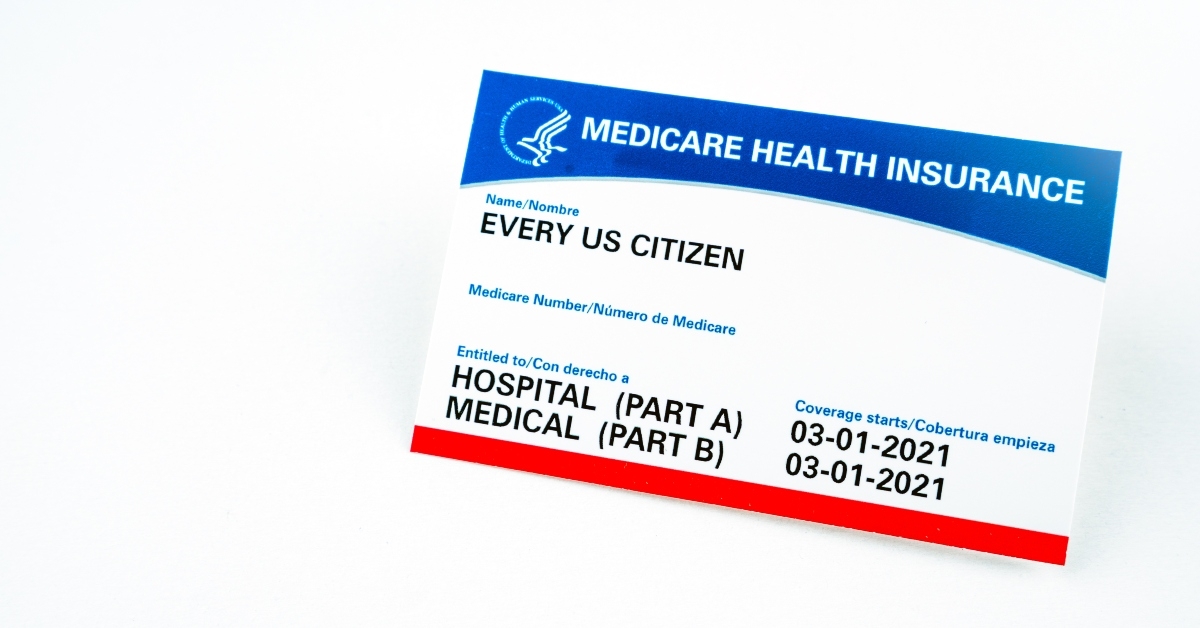
Medicare Advantage plans are highly popular in part because of their supplemental perks, but many of those perks that help you save money in retirement may be going away. Perks like over-the-counter (OTC) allowances, grocery cards, transportation, and meal delivery are quietly being scaled back, and your plan may lose some of the extras that made it valuable.
Here's what to know about the changes coming to some Medicare Advantage plans and how they might impact you.
Now Available: The Definitive Guide to Retirement Income
Many successful investors eventually reach the same moment. The saving is done, the portfolio is built, and the question quietly changes from how much can I grow this to how much can I take out? Get that second question wrong and decades of good investing can come apart in a handful of years.
That is exactly what The Definitive Guide to Retirement Income helps answer.1 <p class="">Investing in securities involves a risk of loss. Past performance is never a guarantee of future returns. Investing in foreign stock markets involves additional risks, such as the risk of currency fluctuations. Guides are provided by Fisher Investments. The publisher may be compensated when readers request a guide.</p> It covers what your retirement could actually cost, which income sources are worth using, and the withdrawal math that decides whether the money lasts. It is free today from Fisher Investments. Read More Here ›
Why Medicare Advantage plans are so popular
Medicare Advantage plans are an alternative to traditional Medicare. Private insurance companies offer these plans through contracts with the federal Medicare program.
Medicare Advantage plans provide all the benefits covered by Medicare Parts A and B, and many also include prescription drug coverage. Plans can also offer supplemental benefits that Original Medicare generally doesn't cover, such as dental, vision, hearing, fitness memberships, and certain other services.
That combination has helped Medicare Advantage become increasingly popular. According to KFF, 55% of eligible Medicare beneficiaries were enrolled in Medicare Advantage in 2026 — about 35.2 million people.
But some of the supplemental benefits that may have attracted beneficiaries to Medicare Advantage are becoming less widely available.
OTC allowances
Over-the-counter, or OTC, benefits can help Medicare Advantage enrollees pay for eligible health-related products such as toothpaste, vitamins, and certain over-the-counter medicines.
These allowances can provide meaningful savings, but they have become less common.
KFF found that 66% of individual Medicare Advantage plans offered an OTC allowance in 2026, down from 73% in 2025. The average monthly standalone OTC allowance also fell by 13%, to $23.
Plans have also become less likely to allow beneficiaries to roll unused OTC funds into the next period. The share of plans offering a rollover option fell from 9.6% in 2025 to 2.4% in 2026.
That means beneficiaries who have an OTC benefit should check the rules carefully, including how much they receive, which products qualify, and whether unused funds expire.
Meal benefits
Some Medicare Advantage plans offer grocery allowances, often issued through prepaid debit cards or flex cards. The funds help enrollees buy healthy foods and produce, which may be especially valuable as food costs rise.
Those meal plan benefits are becoming less common, though.
Among individual Medicare Advantage plans, 57% offered a meal benefit in 2026, down from 65% in 2025. KFF also found that meal benefits declined among Special Needs Plans, from 73% of plans in 2025 to 66% in 2026.
Released: The Definitive Guide to Retirement Income
Most people spend their entire working lives focusing on one thing: growing a pile of money. Then they retire and discover the skill they actually need is close to the opposite. Turning that pile into steady income, year after year, through good markets and bad, without ever running out. It may be the least discussed and most consequential transition in personal finance, and plenty of otherwise careful investors walk into it with no real plan.
That is exactly what The Definitive Guide to Retirement Income helps answer.1 <p class="">Investing in securities involves a risk of loss. Past performance is never a guarantee of future returns. Investing in foreign stock markets involves additional risks, such as the risk of currency fluctuations. Guides are provided by Fisher Investments. The publisher may be compensated when readers request a guide.</p> It is a free guide from Fisher Investments covering what your retirement will really cost, where the cash flow should come from, and how much you can safely withdraw each year. Learn More Here ›
Transportation coverage
Transportation assistance is another supplemental benefit that has become less common.
Some Medicare Advantage plans help cover transportation to medical appointments or other eligible destinations. But KFF found that the share of individual Medicare Advantage plans offering transportation fell from 30% in 2025 to 24% in 2026.
Transportation benefits can be particularly important for beneficiaries who have difficulty getting to medical appointments, so it's worth checking whether your plan offers the benefit and, if so, what restrictions apply.
Why benefits are decreasing
Several factors are pressuring Medicare Advantage insurers, including rising health care costs and efforts to improve the profitability of their Medicare businesses.
For 2027, insurers have already released their Medicare Advantage offerings, and beneficiaries can compare the plans available in their areas. An analysis of Medicare Plan Finder by Leerink Partners found reductions in some supplemental benefits, including dental allowances and Part B premium givebacks among major insurers.
The changes don't mean that all Medicare Advantage benefits are disappearing. Core supplemental benefits remain widely available. KFF found that 98% or more of individual Medicare Advantage plans offered vision, dental, or hearing benefits in 2026, although the amount and scope of coverage can vary substantially from plan to plan.
The important point for beneficiaries is that benefits can change from one plan year to the next. A benefit that was included in your plan this year isn't necessarily guaranteed to remain unchanged next year.
What to do before Medicare Advantage enrollment periods
Medicare's Annual Enrollment Period runs from October 15 through December 7. During this period, beneficiaries can review their current Medicare Advantage coverage and compare it with other plans available for the coming year.
With 2027 plans now available, this is the time to compare your current coverage with the alternatives in your area rather than assuming your existing plan will remain the same.
Compare your current plan's Evidence of Coverage with what's offered for the coming year, and don't assume the plan you've had this year will still be in place. You can use Medicare's Plan Finder tool to compare benefits side by side and see how plans stack up for your needs.
Retirement News: Almost 80% of Americans fear a retirement age increase — here’s the real reason why
Bottom line
Medicare Advantage plans often undergo changes, but if the perks that initially drew you to your plan are no longer available, that plan might not be the best fit. If you're considering a new plan, make sure your doctor and providers are in network and that your prescription medications are covered, too.
Starting comparison shopping in advance may help you choose the best coverage that maximizes your senior benefits and provides the best value.
More from FinanceBuzz:
- Retire like the rich: 14 ways you could build wealth in your 50s.
- Find out if you could pay less for car insurance in just a few clicks.
- Make these 7 savvy moves when you have $1,000 in the bank.
- 14 moves seniors could benefit from but often forget about.








- Huge discounts on travel, groceries, prescriptions and more
- Access to financial planning resources and health tools
- For a limited time, get 55% off 5-year plans