Add Us On Google

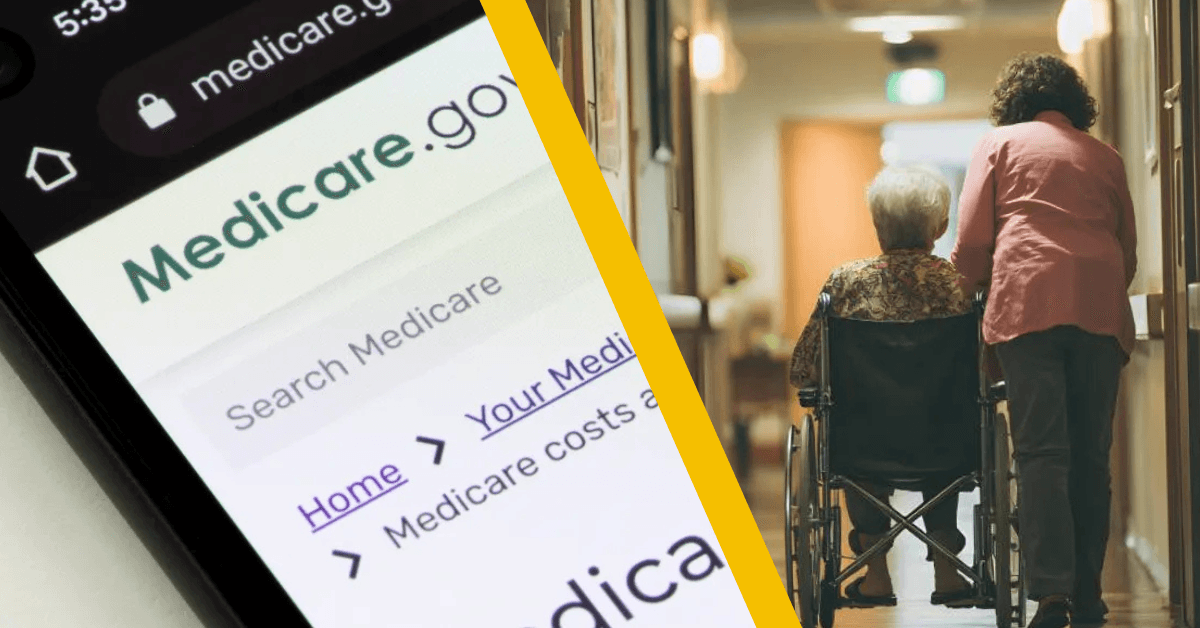
For more than two decades, Medicare has been legally barred from covering medication used solely for weight loss. That long-standing rule is now shifting, at least temporarily, with a new program that could significantly lower the cost of popular GLP-1 drugs.
The Medicare GLP-1 Bridge program began July 1, 2026, and runs through December 31, 2027. During that window, certain Medicare beneficiaries can access select GLP-1 medications for a flat $50 copayment for a one-month supply. This dramatic reduction could help them keep more cash in their pocket.
Now Available: The Definitive Guide to Retirement Income
Many successful investors eventually reach the same moment. The saving is done, the portfolio is built, and the question quietly changes from how much can I grow this to how much can I take out? Get that second question wrong and decades of good investing can come apart in a handful of years.
That is exactly what The Definitive Guide to Retirement Income helps answer.1 <p class="">Investing in securities involves a risk of loss. Past performance is never a guarantee of future returns. Investing in foreign stock markets involves additional risks, such as the risk of currency fluctuations. Guides are provided by Fisher Investments. The publisher may be compensated when readers request a guide.</p> It covers what your retirement could actually cost, which income sources are worth using, and the withdrawal math that decides whether the money lasts. It is free today from Fisher Investments. Read More Here ›
What the Bridge program covers
The program applies to Medicare beneficiaries with qualifying Medicare drug coverage, including those with standalone Part D plans and those enrolled in Medicare Advantage plans with prescription drug coverage.
Eligible participants have access to a limited group of GLP-1 medications, including Wegovy (injection or tablet), Zepbound (KwikPen only), and Foundayo (tablet).
These medications can help with weight management and improve health. However, the Medicare GLP-1 Bridge program is not available to people who have type 2 diabetes, moderate-to-severe sleep apnea, or fatty liver disease. Medicare says its Part D plan may cover GLP-1 medications for those conditions instead.
Who qualifies for the program
Eligibility is structured into three tiers, based primarily on body mass index (BMI) and certain health conditions.
Tier 1 includes adults with a BMI of 35 or greater. No additional qualifying condition is required.
Tier 2 applies to adults with a BMI of 30 or greater who also have at least one of these conditions:
- Diastolic heart failure, also called heart failure with preserved ejection fraction (HFpEF)
- Uncontrolled high blood pressure
- Chronic kidney disease at stage 3a or higher
Tier 3 includes adults with a BMI of 27 or greater who also have at least one of these conditions:
- Prediabetes
- A previous heart attack or stroke
- Symptomatic peripheral artery disease
You have to be 18 or older to qualify. You also must have qualifying Medicare drug coverage, and your health care provider must certify that you're using the GLP-1 drug as part of a lifestyle program focused on diet and exercise.
You aren't eligible for the Bridge program if you already get a GLP-1 drug covered through your Medicare Part D plan or if you have type 2 diabetes, moderate-to-severe sleep apnea, or fatty liver disease. Your Part D plan may cover GLP-1 medications for those conditions.
How to access the benefit
If you're eligible, your doctor or other health care provider sends a prescription for a covered GLP-1 drug to your pharmacy. When requested, your provider must also complete the prior authorization process.
Your provider must certify that you're using the GLP-1 drug as part of a lifestyle program focused on diet and exercise. Once Medicare approves the coverage, you'll receive a letter letting you know your drug is covered under the Medicare GLP-1 Bridge program.
Released: The Definitive Guide to Retirement Income (Sponsor)
Most people spend their entire working lives focusing on one thing: growing a pile of money. Then they retire and discover the skill they actually need is close to the opposite. Turning that pile into steady income, year after year, through good markets and bad, without ever running out. It may be the least discussed and most consequential transition in personal finance, and plenty of otherwise careful investors walk into it with no real plan.
That is exactly what The Definitive Guide to Retirement Income helps answer.1 <p class="">Investing in securities involves a risk of loss. Past performance is never a guarantee of future returns. Investing in foreign stock markets involves additional risks, such as the risk of currency fluctuations. Guides are provided by Fisher Investments. The publisher may be compensated when readers request a guide.</p> It is a free guide from Fisher Investments covering what your retirement will really cost, where the cash flow should come from, and how much you can safely withdraw each year. Learn More Here ›
The $50 copay explained
The flat $50 monthly copayment is one of the most attention-grabbing features of the program, but it comes with important limitations.
The $50 copayment covers a one-month supply of the medication — either 28 or 30 days, depending on the drug. The payment does not count toward a beneficiary's Part D deductible or annual out-of-pocket limit, and it does not appear on a Part D Explanation of Benefits or Medicare Summary Notice.
The copayment also can't be lowered through Extra Help or spread across multiple months using the Medicare Prescription Payment Plan.
Key fine print to know
Several additional details could affect how useful the program is for different households.
One of the most important involves the low-income subsidy program, often called Extra Help. Beneficiaries who qualify for Extra Help typically receive assistance with prescription drug costs under Part D. However, that assistance cannot be applied to medications obtained through the GLP-1 Bridge program.
This means some lower-income beneficiaries may not see additional savings beyond the $50 monthly cost, even if they would normally pay less for other prescriptions.
Timing is another important factor. Because the program is temporary, it runs through December 31, 2027. Access is not guaranteed after the program ends, so patients who use the Bridge program may need to consider other coverage options when it expires.
Medicare is changing how it covers weight-loss drugs
The introduction of the Bridge program marks a notable change in how Medicare approaches weight-loss medications.
Historically, coverage has been limited to treatments tied directly to specific medical conditions, such as diabetes. Drugs prescribed primarily for weight loss have largely been excluded, even as obesity-related health issues have become more prominent.
By opening limited access to GLP-1 medications, the program signals a growing recognition of the role these treatments play in preventing more serious and costly health conditions.
What this means for your health care costs
For eligible beneficiaries, the program offers a $50 copayment for a one-month supply of a covered GLP-1 drug. Many GLP-1 drugs have been out of reach for Medicare recipients due to high out-of-pocket costs. A fixed $50 monthly price makes these medications far more accessible, at least in the short term.
However, the structure of the program means it does not reduce overall Medicare drug spending in the same way traditional coverage does. And because it is temporary, it may not provide a long-term solution for those who rely on these medications.
Beneficiaries who think they may qualify should start by speaking with their health care provider. Patients could also visit the Medicare.gov/glp1bridge page or call 1-800-MEDICARE for more information about the program and how to get started.
Bottom line
The Medicare GLP-1 Bridge program represents a major, if temporary, shift in coverage for weight-loss medications. Eligible beneficiaries can access drugs like Wegovy and Zepbound for just $50 per month, which could keep more cash in your wallet by dramatically reducing out-of-pocket medication costs.
However, the program comes with important restrictions and a limited timeline, so understanding the fine print is key to making the most of the benefit.
More from FinanceBuzz:
- Retire like the rich: 14 ways you could build wealth in your 50s.
- Find out if you could pay less for car insurance in just a few clicks.
- Make these 7 savvy moves when you have $1,000 in the bank.
- 14 moves seniors could benefit from but often forget about.


Intro Offer
UNLIMITED CASHBACK MATCH: Discover will automatically match all the cash back you’ve earned at the end of your first year! There’s no minimum spending or maximum rewards. You could turn $150 cash back into $300. Click Apply Now to view important rates and disclosures. Plus, receive a $200 statement credit when you spend $500 on purchases in your first 3 months of account opening
Annual Fee $0 Why we like it