 Add Us On Google

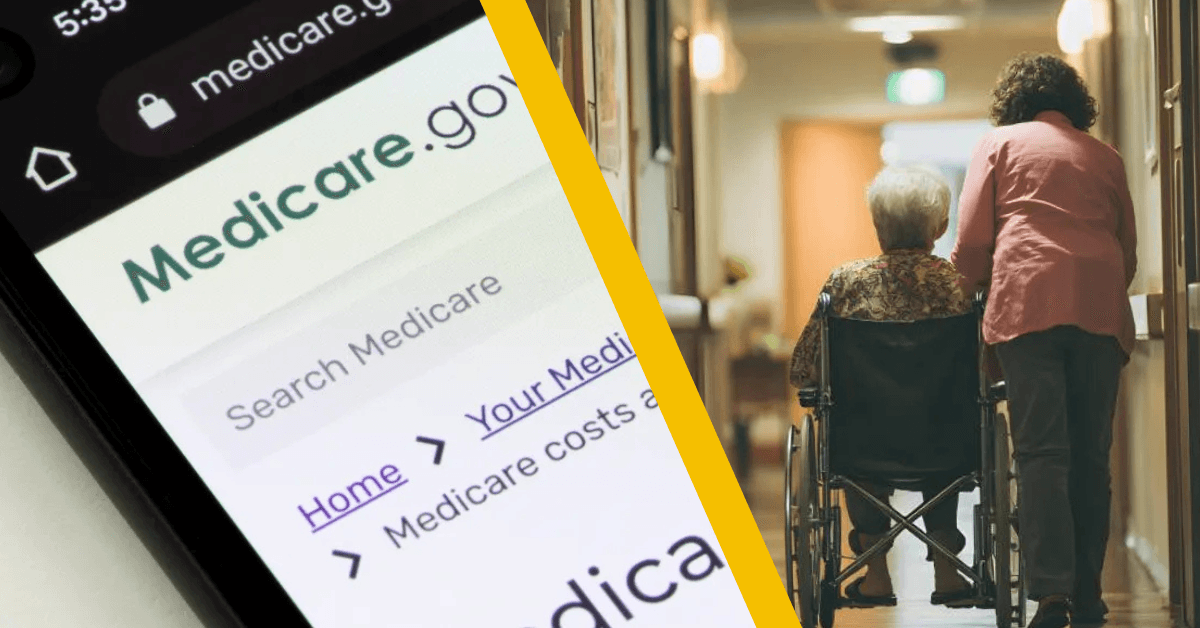
A $500 check in the mail could make a real difference if health care costs have been squeezing your budget. The Trump administration is sending payments to certain people who purchased coverage through the Affordable Care Act (ACA) marketplace. That money could help cover premiums, prescriptions, or everyday bills.
Here's what to know about who might qualify, which states are included, and what to do if you think a check should be headed your way. Understanding whether you qualify can help you prepare yourself financially and plan how to use the extra money.
Now Available: The Definitive Guide to Retirement Income
Many successful investors eventually reach the same moment. The saving is done, the portfolio is built, and the question quietly changes from how much can I grow this to how much can I take out? Get that second question wrong and decades of good investing can come apart in a handful of years.
That is exactly what The Definitive Guide to Retirement Income helps answer.1 <p class="">Investing in securities involves a risk of loss. Past performance is never a guarantee of future returns. Investing in foreign stock markets involves additional risks, such as the risk of currency fluctuations. Guides are provided by Fisher Investments. The publisher may be compensated when readers request a guide.</p> It covers what your retirement could actually cost, which income sources are worth using, and the withdrawal math that decides whether the money lasts. It is free today from Fisher Investments. Read More Here ›
What changed
The Trump administration says ACA-related refund checks are being mailed to more than 950,000 people in 30 states, with $500 payments tied to what the White House describes as surplus user fees collected through the federal ACA marketplace. The rollout has also sparked pushback from critics who dispute how the payments are being described.
The current payment round is tied to a Sept. 10 White House video announcement from President Donald Trump. Treasury Department checks, along with letters signed by Trump, were set to begin going out Sept. 30 to eligible people in participating states.
The administration describes the checks as refunds connected to HealthCare.gov, the federal ACA marketplace. The White House says insurers paid user fees to help operate the federal exchange and that consumers absorbed those costs through higher premiums.
For your wallet, the key point is simple: This is a targeted ACA payment, not a broad check for everyone who has ever bought marketplace coverage.
Who may qualify
You might qualify if you bought coverage through HealthCare.gov in one of the 30 included states and did not receive federal premium assistance. Most recipients have household incomes above 400% of the federal poverty level, though some lower-income enrollees who did not receive premium assistance may also qualify.
The administration has described the payment as going primarily to federal marketplace customers who paid the full cost of premiums, rather than every ACA enrollee. People whose premiums were reduced by federal assistance are not described as part of the main payment group.
You should not need to apply. The federal government has identified eligible recipients, and checks are being mailed automatically.
The published eligibility information does not fully explain which coverage year or enrollment records determine eligibility, so paying full price through HealthCare.gov does not by itself guarantee a check.
Before budgeting around the money, wait for the actual Treasury check and the accompanying letter. Your safest source is the official payment notice, not a social media post, campaign-style announcement, or rumor about who should qualify.
States included
The checks are being sent in Alabama, Alaska, Arizona, Arkansas, Delaware, Florida, Hawaii, Indiana, Iowa, Kansas, Louisiana, Michigan, Mississippi, Missouri, Montana, Nebraska, New Hampshire, North Carolina, North Dakota, Ohio, Oklahoma, Oregon, South Carolina, South Dakota, Tennessee, Texas, Utah, West Virginia, Wisconsin, and Wyoming.
The 30 included states use HealthCare.gov for eligibility and enrollment, including some state-based exchanges that use the federal platform. The other 20 states and Washington, D.C., use their own enrollment platforms and are outside the announced refund program.
If you live in an included state now but previously used a different marketplace, don't assume your current residence alone decides the issue. The available eligibility description centers on HealthCare.gov coverage and whether you received premium assistance.
Released: The Definitive Guide to Retirement Income (Sponsor)
Most people spend their entire working lives focusing on one thing: growing a pile of money. Then they retire and discover the skill they actually need is close to the opposite. Turning that pile into steady income, year after year, through good markets and bad, without ever running out. It may be the least discussed and most consequential transition in personal finance, and plenty of otherwise careful investors walk into it with no real plan.
That is exactly what The Definitive Guide to Retirement Income helps answer.1 <p class="">Investing in securities involves a risk of loss. Past performance is never a guarantee of future returns. Investing in foreign stock markets involves additional risks, such as the risk of currency fluctuations. Guides are provided by Fisher Investments. The publisher may be compensated when readers request a guide.</p> It is a free guide from Fisher Investments covering what your retirement will really cost, where the cash flow should come from, and how much you can safely withdraw each year. Learn More Here ›
Why it is disputed
The administration says the refund returns excess federal marketplace user fees to people connected to ACA coverage. Critics dispute that framing, arguing the $500 checks are small compared with higher health costs many ACA customers face after enhanced ACA subsidies expired at the end of 2025.
Critics also question whether surplus user-fee revenue proves consumers were overcharged. Senior Vice President and Director of the Program on the Affordable Care Act (ACA) at KFF, Cynthia Cox, said the surplus also reflects reduced spending on enrollment assistance while the government continued collecting fees. The administration describes the payments as refunds, but that explanation remains disputed.
Watch for scams
A real government payment shouldn't require you to pay a fee to unlock it. If someone calls, texts, or messages you asking for a processing payment, gift card, cryptocurrency transfer, or bank login, treat that as a red flag.
Be careful with links that claim to "speed up" your ACA refund. Use official government websites directly, and type the address into your browser instead of clicking a link from an unknown sender. The FTC also warns consumers to use official websites and phone numbers rather than numbers provided by unexpected callers.
If a check arrives, identify the authorizing agency in the memo or issue-type area and contact that agency using independently verified contact information. Recipients can also go to the Treasury Check Verification System to check whether a payment was issued by the government.
Tax questions
The Treasury Department's $500 ACA refund checks are structured as a return of user fees considered to have been overcharged, rather than taxable earned income or standard government benefits, so they generally aren't expected to come with a traditional tax form, such as a 1099.
Keep the payment notice with your tax records, follow any program-specific IRS guidance, and consult a qualified tax professional if the notice is unclear.
Bottom line
The $500 Trump ACA refund checks could provide welcome relief, but eligibility appears limited to certain HealthCare.gov customers in 30 federal marketplace states who did not receive premium assistance. Assuming the check applies to everyone with ACA coverage would be a mistake. Counting on a payment before confirming your eligibility could add to the list of surprising financial mistakes that disrupt your budget.
If this might affect you, confirm whether your state is included, watch your mail, and save any official notice that arrives. If you receive a suspicious message about the payment, verify it through an official government channel before sharing personal information.
The controversy could continue, but your next step is practical: Focus on the eligibility rules and the payment notice, because those are what determine whether money is actually headed your way.
More from FinanceBuzz:
- Retire like the rich: 14 ways you could build wealth in your 50s.
- Find out if you could pay less for car insurance in just a few clicks.
- Make these 7 savvy moves when you have $1,000 in the bank.
- 14 moves seniors could benefit from but often forget about.


Intro Offer
UNLIMITED CASHBACK MATCH: Discover will automatically match all the cash back you’ve earned at the end of your first year! There’s no minimum spending or maximum rewards. You could turn $150 cash back into $300. Click Apply Now to view important rates and disclosures. Plus, receive a $200 statement credit when you spend $500 on purchases in your first 3 months of account opening
Annual Fee $0 Why we like it