

 Add Us On Google

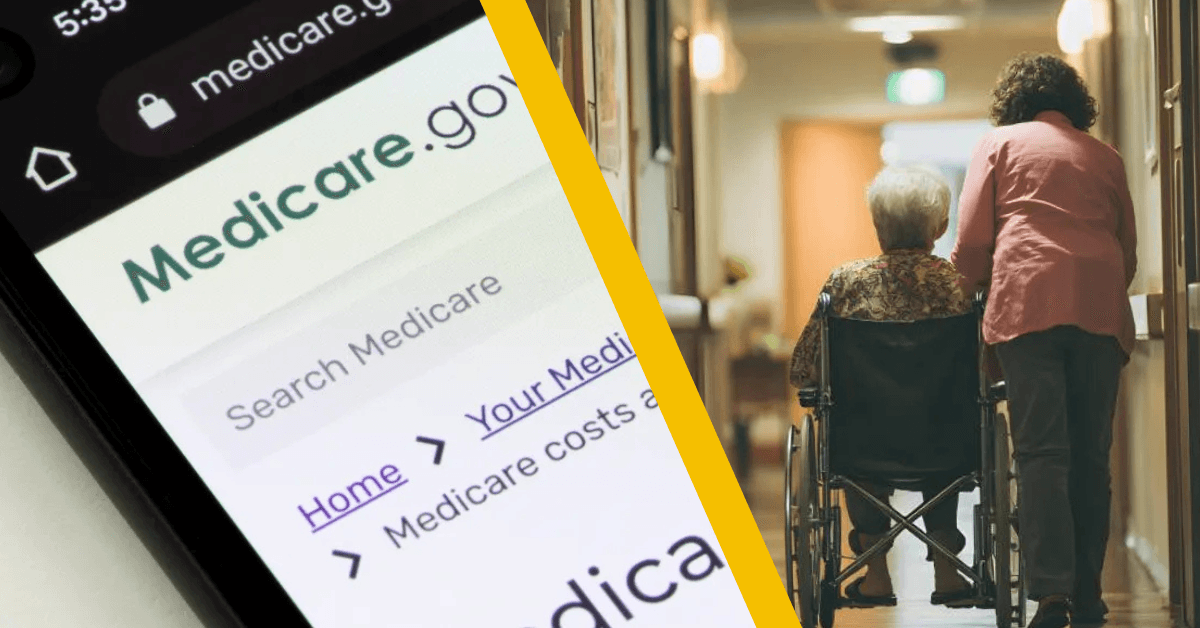
Nearly 1 million Affordable Care Act (ACA) enrollees are receiving an unexpected $500 refund from the federal government. The White House recently announced the payments, and the Treasury Department began sending checks Sept. 30. For people trying to eliminate some money stress, $500 could provide welcome breathing room as another expensive Marketplace year approaches.
But eligibility is much narrower than the headline suggests.
The checks aren't a general stimulus payment, nor are they going to everyone with an Obamacare plan. They're targeted at a specific group of people who paid the full price of Marketplace coverage in 2026.
Here's what you need to know.
Get a protection plan on all your appliances
Did you know if your air conditioner stops working, your homeowner’s insurance won’t cover it? Same with plumbing, electrical issues, appliances, and more.
A home warranty from Choice Home Warranty could pick up the slack where insurance falls short.
For a limited time, you can get your first month free with a Single Payment home warranty plan.
Who qualifies for the $500 refund?
According to the White House announcement, the refunds go to eligible people who bought 2026 coverage through the federal Marketplace and didn't receive premium assistance. The payment is $500 per eligible person, rather than per household, meaning qualifying families could receive multiple checks.
The program covers 30 states that use HealthCare.gov for their Marketplace operations, including Florida, Texas, North Carolina, Ohio, Wisconsin, and Arizona. The White House says nearly 1 million people are eligible nationwide.
Many recipients lost enhanced premium subsidies
A large share of the eligible group consists of middle-income consumers who previously benefited from the ACA's temporary enhanced premium tax credits. Those extra subsidies expired at the end of 2025, which caused millions of people who still qualified for assistance to pay more in 2026.
People earning above 400% of the federal poverty level were hit particularly hard because the old income ceiling for the standard premium tax credit was reinstated. The Trump administration has said most refund recipients fall above that threshold, although some lower-income enrollees who paid their full premiums may also receive checks.
The administration says the money comes from excess fees
The White House describes the $500 payments as refunds of excess Marketplace user fees collected from insurers and ultimately passed along through premiums. It says the federal government collected more than necessary to operate HealthCare.gov and is returning part of that surplus directly to consumers.
Those fees do have an established purpose, however: CMS says Marketplace user fees fund operations of the federal exchange. Its 2027 Marketplace rule lowers the federal Marketplace user-fee rate to 1.9% of monthly premiums, down from the 2026 rate of 2.5%. The $500 checks therefore reflect the administration's characterization of excess collections, rather than a new recurring ACA benefit.
If you’re over 50, take advantage of massive discounts and financial resources
Over 50? Join AARP today— because if you’re not a member you could be missing out on huge perks. When you start your membership today, you can get discounts on things like travel, meal deliveries, eyeglasses, prescriptions that aren’t covered by insurance and more.
Start your membership by creating an account here and filling in all of the information (Do not skip this step!) Doing so will allow you to take up to 25% off your AARP membership, making it just $15 the first year with auto-renewal.
The $500 may not offset 2027 premium increases
Here's where the timing matters. Marketplace insurers across the country have proposed a median premium increase of about 15% for 2027, according to an analysis of filings from all 50 states and Washington, D.C., by KFF. Actual increases may vary substantially by insurer, location, age, and plan.
Consider someone paying $800 per month before subsidies. A 15% increase would equal another $120 per month, or $1,440 over a full year. In that hypothetical example, a $500 check would cover only about one-third of the additional annual premium cost.
That's why the refund may feel meaningful without fundamentally changing Marketplace affordability. For someone already paying thousands more after losing enhanced subsidies, it's a one-time payment against a recurring expense.
You don't need to apply for the money
Eligible recipients don't need to submit a new application to get the refund. Checks are being sent automatically based on Marketplace enrollment records.
That also means you shouldn't pay anyone who claims they can help you qualify. If a caller, email, or text demands a processing fee, Social Security number, or bank information to release your $500, that's a major warning sign. If you're unsure whether your 2026 coverage qualifies, check your HealthCare.gov account rather than responding to an unsolicited message.
Bottom line
Would $500 meaningfully soften your 2027 insurance costs, or would rising premiums consume it within a few months? For eligible Marketplace enrollees, the refund is real money, but it shouldn't be confused with an ongoing subsidy or a promise that next year's coverage will cost less.
With 2027 Marketplace Open Enrollment beginning Nov. 1, compare premiums, deductibles, provider networks, prescriptions, and any available tax credits instead of automatically renewing your existing plan. Shopping carefully may help put extra cash in your pocket long after the one-time $500 refund has been spent.
More from FinanceBuzz:
- Retire like the rich: 14 ways you could build wealth in your 50s.
- Find out if you could pay less for car insurance in just a few clicks.
- Make these 7 savvy moves when you have $1,000 in the bank.
- 14 moves seniors could benefit from but often forget about.


- Huge discounts on travel, groceries, prescriptions and more
- Access to financial planning resources and health tools
- Join AARP and get 25% off with automatic renewal