Once you get to retirement, the last thing you want to think about is taxes. Unfortunately, many retirees let their hard-earned savings and retirement income slip away by making avoidable tax planning mistakes.
Taxes don't disappear when you retire. Many retirees face higher tax burdens than they expected, largely due to required distributions, taxable Social Security benefits, and other unexpected income sources.
Here are 12 tax planning mistakes that catch retirees off guard and what you can do to avoid these money mistakes.
Now Available: The Definitive Guide to Retirement Income
Many successful investors eventually reach the same moment. The saving is done, the portfolio is built, and the question quietly changes from how much can I grow this to how much can I take out? Get that second question wrong and decades of good investing can come apart in a handful of years.
That is exactly what The Definitive Guide to Retirement Income helps answer.1 <p class="">Investing in securities involves a risk of loss. Past performance is never a guarantee of future returns. Investing in foreign stock markets involves additional risks, such as the risk of currency fluctuations. Guides are provided by Fisher Investments. The publisher may be compensated when readers request a guide.</p> It covers what your retirement could actually cost, which income sources are worth using, and the withdrawal math that decides whether the money lasts. It is free today from Fisher Investments. Read More Here ›
Expecting your tax rate to drop in retirement
Many retirees assume that when their working years are over, they drop into a lower tax bracket.
This may not be the case. Depending on where you live and your total income, you may owe taxes on your Social Security benefits. Plus, withdrawals from your retirement account are taxed as ordinary income.
With required minimum distributions (RMDs), you may find yourself in the same or even a higher tax bracket than when you were working.
Exposing yourself to RMD penalties
What if you've planned so well that you don't need to use the money in your traditional IRA or 401(k)?
Starting at age 73, you must take annual RMDs from tax-deferred accounts by the deadline.
You will pay taxes on the distribution, but the penalty for missing the deadline is 25% plus income taxes on the amount. The penalty can be reduced to 10% if you correct it quickly.
Letting Social Security taxes take you by surprise
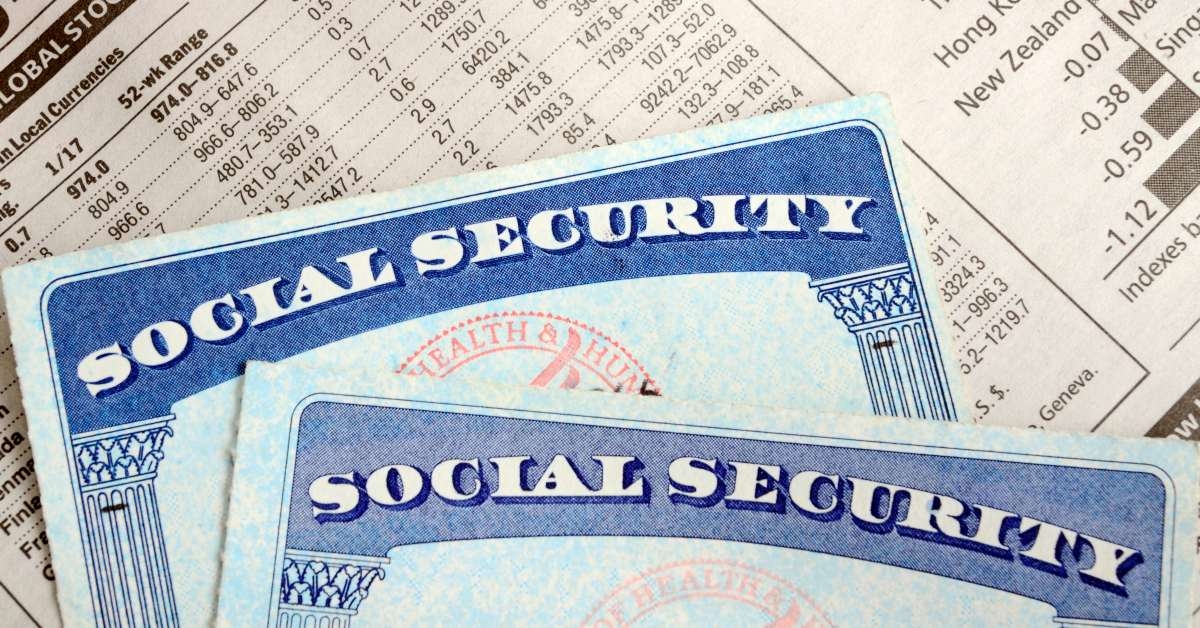
Did you know that up to 85% of your Social Security benefits can be taxable?
While the One Big Beautiful Bill Act aims to ensure 88% of retirees pay no tax on Social Security income, the thresholds still apply for higher earners.
In 2025, if your combined income after deductions is above $34,000 (single) or $44,000 (married filing jointly), up to 85% of your benefits may be taxable.
Released: The Definitive Guide to Retirement Income (Sponsor)
Most people spend their entire working lives focusing on one thing: growing a pile of money. Then they retire and discover the skill they actually need is close to the opposite. Turning that pile into steady income, year after year, through good markets and bad, without ever running out. It may be the least discussed and most consequential transition in personal finance, and plenty of otherwise careful investors walk into it with no real plan.
That is exactly what The Definitive Guide to Retirement Income helps answer.1 <p class="">Investing in securities involves a risk of loss. Past performance is never a guarantee of future returns. Investing in foreign stock markets involves additional risks, such as the risk of currency fluctuations. Guides are provided by Fisher Investments. The publisher may be compensated when readers request a guide.</p> It is a free guide from Fisher Investments covering what your retirement will really cost, where the cash flow should come from, and how much you can safely withdraw each year. Learn More Here ›
Getting blindsided by Medicare Premium Surcharges (IRMAA)
Imagine opening your Medicare bill and discovering your monthly premium has jumped by several hundred dollars.
That surprise charge? It's likely an income-related monthly adjustment amount (IRMAA), a surcharge for higher-income enrollees.
The kicker is that this adjustment is based on your modified adjusted gross income (MAGI) from two years ago. If you sold a home, liquidated an IRA, or had other one-time income, you may be facing higher premiums you didn't see coming.
Failing to track and deduct significant medical expenses

When you or your loved one is sick, the last thing you're thinking of is keeping meticulous expense records. However, failing to record medical expenses carefully is a common mistake that can cost you.
If your unreimbursed medical expenses exceed 7.5% of your adjusted gross income, you can deduct them. This can translate into significant tax relief during expensive health years.
Not approaching withdrawals strategically

Many retirees hold various retirement accounts, including taxable accounts, traditional IRAs, and Roth IRAs.
These accounts are taxed differently. How you time your withdrawals can have a major impact on your tax bill. For example, taking too much from an IRA in a year when you have other income can push you into a higher tax bracket.
You want to sequence withdrawals to minimize your tax burden throughout retirement.
Missing the tax offset potential of loser investments

Tax-loss harvesting is a smart move that can save you money.
If you owe capital gains from the sale of a winning investment, you can offset some of those gains by selling a loser.
Many retirees ignore their losses, but you can save on taxes and move the money into a different investment. Plus, if your losses exceed your gains, you can use up to $3,000 to offset regular income.
Writing donation checks from your regular checking account

If you have a traditional IRA and like to give to charitable causes, you can donate and save big on taxes.
Retirees 70.5 and older can make a qualified charitable distribution (QCD) from their traditional IRA. This means you donate directly from your tax-deferred retirement account to the charity and avoid paying taxes on that withdrawal. If you're over 73, it can count toward your RMD.
Thinking that state income tax is the only consideration
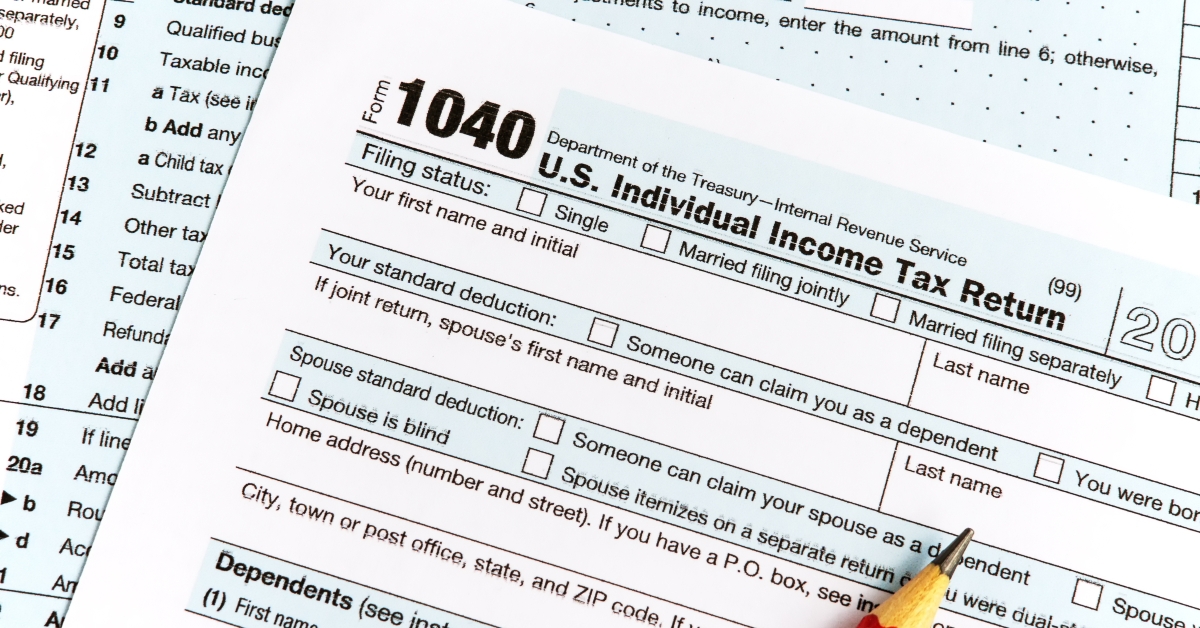
How tax-friendly is your state? Not having any state income tax is great, but if you're paying higher property, sales, or estate taxes, you may not come out ahead.
Before selecting your ideal retirement state, consider how your specific types of retirement income, such as Social Security, traditional IRA/401(k) withdrawals, Roth IRA withdrawals, pensions, and investment income, will be taxed, along with the impact of other state taxes.
Get instant access to hundreds of discounts
Over 50? Join AARP today— because if you’re not a member you could be missing out on huge perks like discounts on travel, dining, and even prescriptions.
Get 25% off membership — just $15 for your first year with auto-renewal — and a free gift if you join today.
Not being proactive about minimizing estate taxes
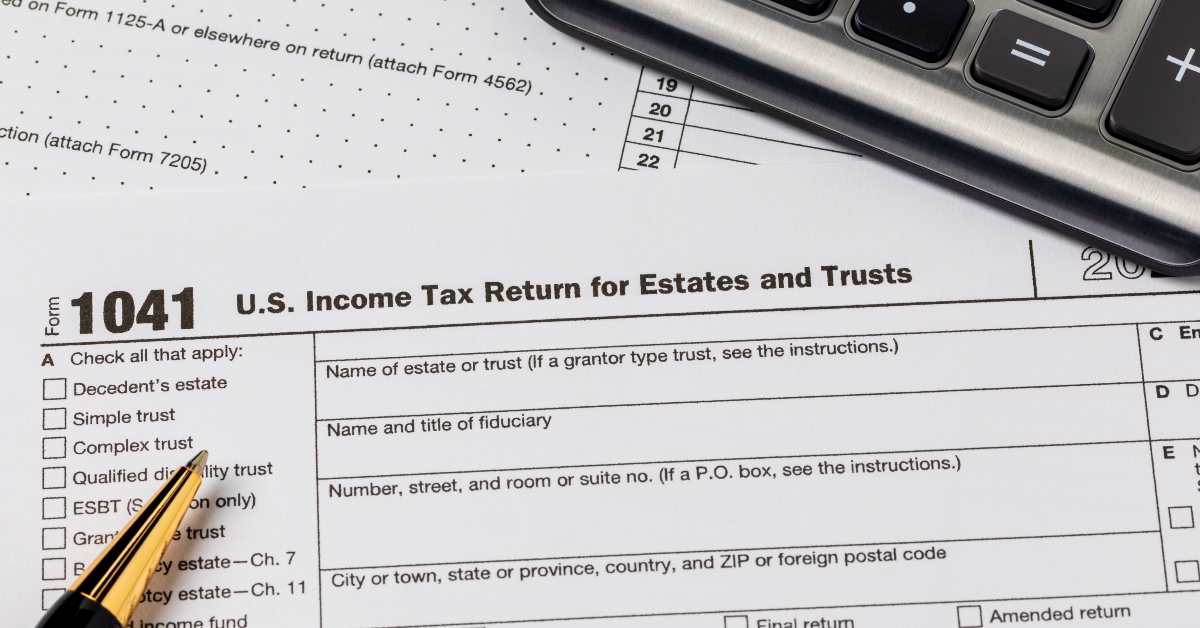
You worked hard and saved so you can enjoy your retirement, but it's also nice to have something to pass along. With some thoughtful planning, you can reduce the taxes your heirs pay.
Tactics include annual gifting within IRS limits, establishing irrevocable trusts to exclude assets from your estate, and using irrevocable life insurance trusts (ILITs) for tax-free life insurance payouts. These can slash the taxes your heirs pay.
Converting to a Roth IRA in a high-income year
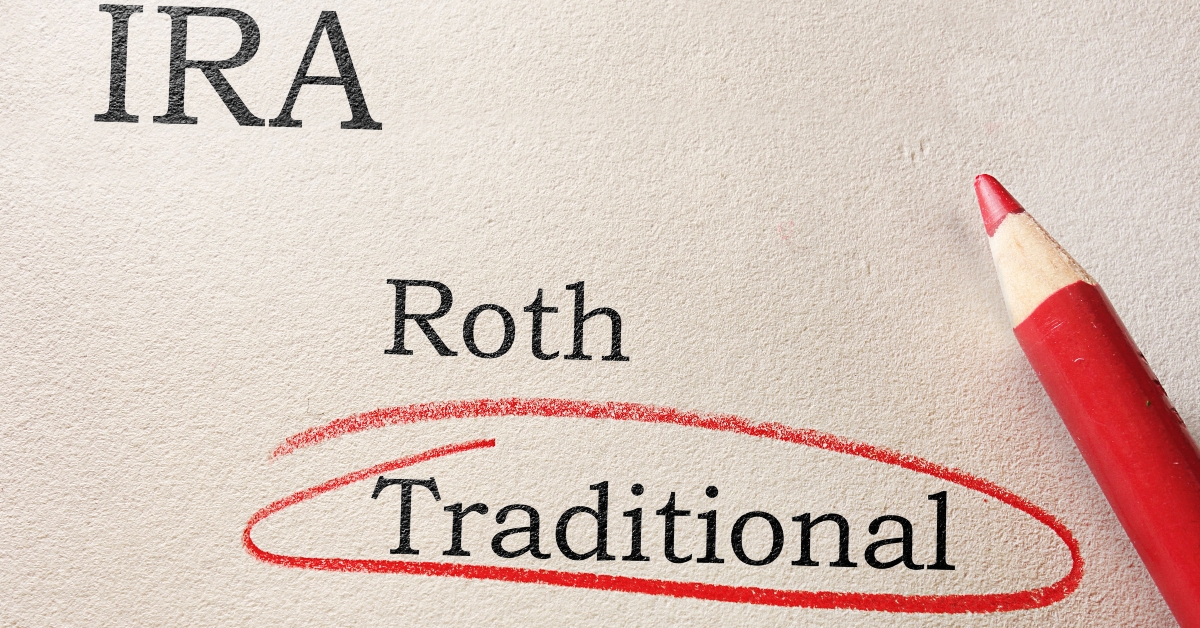
When you convert a traditional IRA to a Roth IRA, you'll pay taxes on the funds. However, everything you earn after the conversion is tax-free as long as you're making qualified withdrawals. You also avoid RMDs.
This conversion makes the most sense if you can do it in a lower-income year or over several years, so it doesn't boost you up into a higher tax bracket.
Poor cost basis record-keeping
Your "cost basis" refers to the amount you paid for an investment. When you sell stocks or other investments, you owe capital gains on the profit.
If you don't have a record of your cost basis and can't get one from your brokerage, the IRS may assume your cost basis is zero. That means you could pay unnecessary capital gains on the entire sale price, rather than just your profit.
Bottom line
Tax planning in retirement isn't a set-it-and-forget-it process. Keeping the most money in your pockets means staying proactive.
It's worth the effort to lower your financial stress. Even if you save an extra 1% of your retirement income, which it's often much more. If your retirement income is $50,000 to $80,000, those savings mean an extra $500 to $800 a year in your pocket.
- American Hartford Gold helps individuals protect their retirement by rolling over IRAs and 401(k)s into physical gold.
- Includes FREE IRA rollover and storage for up to 3 years.
- Get up to $20,000 in free silver on qualifying purchases.

Subscribe Today
Learn how to make an extra $200
Get vetted side hustles and proven ways to earn extra cash sent to your inbox.
Add Us On Google