 Add Us On Google
Finding a rare coin in your change jar is possible, but it is far from common.
Most coins in circulation are only worth their face value. Still, a handful of American coins have established markets among collectors, with documented auction results reaching thousands or, in rare cases, hundreds of thousands of dollars.
The key, if you're looking to put extra cash in your pocket through coin collecting, is knowing exactly what to look for.
Here are five coins worth keeping an eye out for, along with verified auction results that show what authentic examples have actually sold for.
Download this gaming app that's paid out over $500 million
A company called Freecash has compiled all sorts of quick cash tasks from advertisers and market research companies. Freecash has paid out over $500 million to users since 2019, and has an "excellent" Trustpilot rating based on 300,000+ reviews.
Sign up here to see how much you could earn.
1943 Bronze and 1944 Steel Lincoln Cents
These two coins are among the most valuable minting errors in American coin collecting.
During World War II, the U.S. Mint switched from copper-based cents to zinc-coated steel cents to conserve copper for the war effort. The following year, it returned to copper-based planchets. A small number of coins were struck on the wrong metal for their date.
It's important to note that these coins almost always require professional authentication because plated coins, altered dates, and other counterfeits might fool casual collectors.
In 2010, a PCGS-certified 1943 bronze cent sold for $1.7 million at auction to a private collector, and in 2021, a 1944 steel cent sold for $180,000.
1955 Double-Die Lincoln Cent
Another highly valuable minting error is the 1955 double-die one-cent coin.
According to one coin collecting blog, the pennies are worth so much because "the obverse die received misaligned impressions from the hub, creating bold doubling on the date, LIBERTY, and IN GOD WE TRUST. This was not the flat, shelf-like look of machine doubling, nor was it a late die deterioration effect. It was true hub doubling, strong enough that no microscope is needed to understand why the coin matters. The doubled date alone is enough to stop a collector cold."
One of these coins sold in 2020 for $32,400, and another went for $114,000 in 2018.
1969 S Double-Die Lincoln Cent
This 1969-S doubled-die cent is another major rarity, and the small "S" mintmark below the date is the important identifying detail.
The coins, of which there are believed to be only 50 or 60 examples, are often counterfeited or altered because the potential payoff is so large. Therefore, authentication is almost always necessary if you're looking to sell.
The all-time record for one of these coins is $601,875, set back in 2023.
Stop overpaying when you shop online
Tired of chasing coupon codes and comparing prices across tabs? Try Capital One Shopping — a free browser extension that scours the internet for coupons and flags better prices while you shop.
Add it today and you could stop overpaying!1 <p>Capital One Shopping compensates us when you get the browser extension using the links we provided.</p>
2004 Wisconsin Extra Leaf Quarter
The Wisconsin state quarter is a more modern variety to check for, and it is easier to inspect than many rare one-cent coins.
On the backside of these collectable state quarters is a corn stalk, some of which show an additional leaf-like feature. There are two recognized varieties: Extra Leaf High and Extra Leaf Low.
Auction records show that these coins have sold for prices like $2,530 and $6,000.
Don't overlook pre-1965 silver coins
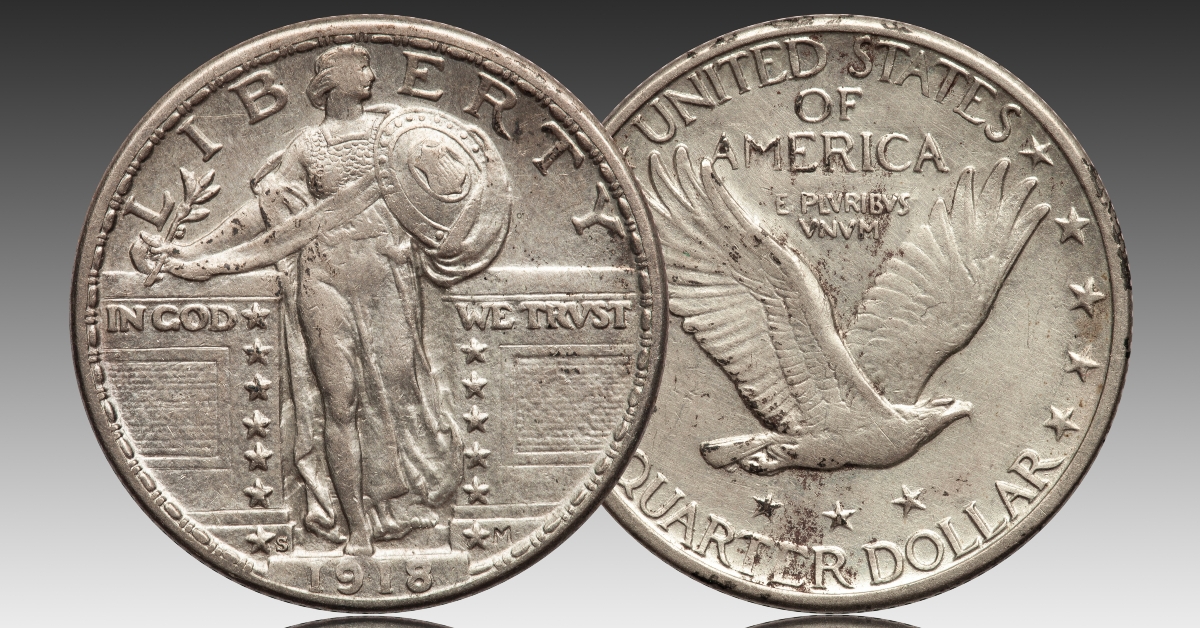
Rare mint errors are exciting, but silver coins are a more realistic find in an old change jar or inherited collection.
Most U.S. dimes, quarters, and half dollars dated 1964 or earlier contain 90% silver. Their value is tied partly to the market price of silver, even if the coin is worn or has little collector appeal.
For example, NGC's silver melt-value table, updated Oct. 28, 2026, listed approximate melt values of:
- Pre-1965 silver dime: $3.93
- Pre-1965 silver quarter: $9.84
- 90% silver half dollar: $19.68
These amounts fluctuate with silver prices and represent metal value, not guaranteed cash offers.
A rare date or collectible condition could also make a pre-1965 silver coin worth more.
To check a coin quickly, look at the date and inspect the edge. A modern clad coin typically shows a copper-colored stripe, while a 90% silver coin has a solid silver-colored edge.
However, there are exceptions, so be sure to confirm any unusual coins.
When is professional coin grading worth it?
Third-party grading could authenticate a coin, document its condition, and make it easier to sell to serious collectors. But grading and shipping fees might eat into the value of more modest finds.
Before submitting a coin, do some legwork on your own. Compare the coin in question with authenticated examples and documented sales of the same variety in a similar condition. For a coin that may be worth only a few dollars, paying for professional grading often makes little financial sense.
That being said, for a suspected 1943 bronze cent, 1944 steel cent, or a major doubled-die cent, professional authentication is much more important because the potential value is so high.
And whatever you do, do not attempt to clean a coin yourself. Home cleanings could leave scratches and reduce collector value, even when the coin is otherwise genuine. That work is always better left to a professional.
Bottom line
Most of the coins in your wallet are worth exactly what they say on the front. The exceptions tend to be specific, verifiable minting errors, recognized die varieties, and older silver coins.
If you find a coin that you suspect may be worth more than its weight, identify its date, mintmark, composition, and distinguishing features before estimating its value. Then check completed auction sales for the exact variety and a comparable condition.
And remember that a headline about a coin selling for six figures does not mean every coin with the same date is valuable. If you're looking to make extra money, the best evidence of a coin's market value is always what a comparable, authenticated example actually sold for, not an asking price or an online estimate.
More from FinanceBuzz:
- Things to cut when living on retirement (many people ignore #11).
- 14 moves seniors could benefit from but often forget about.
- Find out if you could pay less for car insurance in just a few clicks.
- Learn how to escape the paycheck-to-paycheck grind.









- Has paid out over $500 million to users since 2019
- You choose the offers you want to complete and stack for rewards
- Multiple cash-out options
- “Excellent” Trustpilot Rating (300,000+ reviews, 4.6/5 stars)