 Add Us On Google

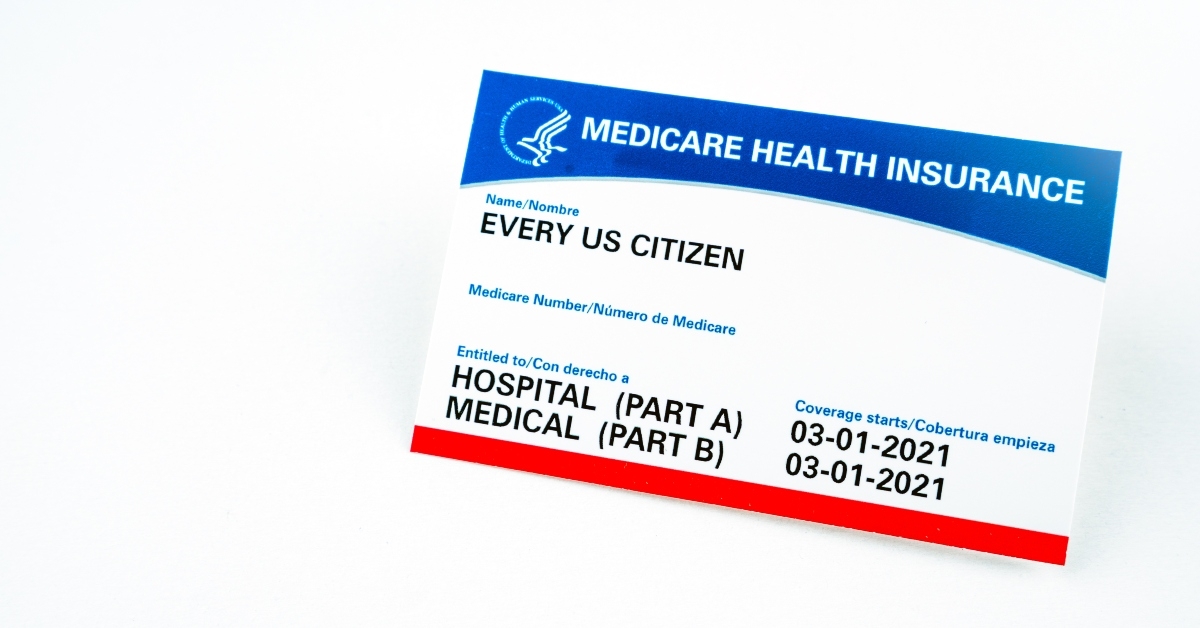
As we move into 2027, many Medicare beneficiaries are bracing for increased coverage costs. These changes could put additional pressure on fixed budgets.
Medicare is essential, but understanding and planning for rising expenses can help you avoid surprises, make the right moves, and maintain a stress-free retirement.
Here are five Medicare costs expected to rise in January, along with strategies to manage the increases effectively.
1. Medicare Part B premium
Starting in January, the standard monthly premium for Medicare Part B will rise to $209.40, an increase of $6.50 from the $202.90 that was charged in 2026.
Medicare Part B is the medical insurance portion of Medicare that covers things such as doctor visits, diagnostic tests, and preventive care.
This premium increase could strain tight budgets, particularly for those on fixed incomes.
2. Medicare Part B deductible
The Medicare Part B annual deductible will also see a $9 increase, rising from $283 in 2026 to $292 in 2027. This means you'll need to pay more out of pocket before your Part B coverage begins paying for services.
As 2027 approaches, make sure to set aside funds in your budget for this higher deductible.
3. Medicare Part B adjustments related to income
Higher-income beneficiaries — including individuals and married couples earning into the six-figure range during retirement — may face increased income-related monthly adjustment amounts (IRMAAs) tied to Medicare Part B.
These surcharges are based on your modified adjusted gross income (MAGI) and can significantly increase monthly premiums for those above specific income thresholds.
4. Costs associated with Medicare Part A
Medicare Part A — which covers hospital stays and inpatient care — is also becoming more expensive. Most beneficiaries don't pay a premium for Part A, but they can face other costs.
Various deductible and co-insurance costs associated with Part A are increasing in 2027. For example, the inpatient deductible for the first 60 days of hospitalization will rise from $1,736 to $1,776. Other costs are also rising.
5. Medicare Part D IRMAAs
If you rely on Medicare Part D for prescription drug coverage and also earn a high income, expect to see rising IRMAAs in 2027.
These additional costs range from $15.40 to $96.40 per month, depending on your income. Those amounts are up from $14.50 to $91 in 2026.
How to lower rising Medicare costs
Rising Medicare costs don't have to derail your budget. Here are some strategies to help you mitigate these increases.
Reduce your modified adjusted gross income (MAGI)
How much you pay in Medicare premiums is tied directly to your income. By managing your modified adjusted gross income (MAGI) — perhaps through tax-efficient withdrawal strategies from retirement accounts — you may be able to avoid higher IRMAAs.
Consult with a financial advisor so you can develop a strategy that helps you steer clear of these higher Medicare costs.
Use an HSA for Medicare expenses
If you've contributed to a health savings account (HSA) in the past and still have money in the account, you can use those funds as a tax-free way to pay for Medicare premiums and out-of-pocket medical costs.
This is an excellent way to stretch your healthcare dollars. Just keep in mind that although you can use an HSA to pay for medical expenses, you can no longer make new contributions to the account once you sign up for Medicare.
Minimize unnecessary medical visits
Avoid scheduling unnecessary doctor visits by staying proactive about your health, using telehealth services, or asking your doctor about multiple health concerns during a single appointment.
Cutting down on appointments can save both time and money.
Take other steps to lower costs
There are other steps you can take to reduce your Medicare costs. For example, if you need prescription medications, talk to your doctor about generic drug alternatives or programs that can lower prescription costs.
It is also possible that paying for a Medigap policy or choosing Medicare Advantage coverage could lower your costs overall.
Bottom line
With Medicare costs rising in 2027, proactive planning is essential to protect your finances. By taking steps to reduce expenses and possibly supplement your income, you can prepare for a more financially secure retirement.
Remember, a little planning now could make a big difference in managing healthcare costs later.
More from FinanceBuzz:
- Things to cut when living on retirement (many people ignore #11).
- 14 moves seniors could benefit from but often forget about.
- Find out if you could pay less for car insurance in just a few clicks.
- Learn how to escape the paycheck-to-paycheck grind.







Intro Offer
UNLIMITED CASHBACK MATCH: Discover will automatically match all the cash back you’ve earned at the end of your first year! There’s no minimum spending or maximum rewards. You could turn $150 cash back into $300. Click Apply Now to view important rates and disclosures. Plus, receive a $200 statement credit when you spend $500 on purchases in your first 3 months of account opening.
Annual Fee $0 Why we like it