 Add Us On Google

Get ready to possibly pay more for Medicare Part D in 2027.
The national base premium rate for the prescription drug program is slated to rise to $41.33 per month. That is up from $38.99 in 2026 and marks an increase of about 6%.
Fortunately, some retirees should avoid these increases and may actually pay less. In addition, key strategies cut costs and help you stretch your retirement dollars further.
Now Available: The Definitive Guide to Retirement Income
Many successful investors eventually reach the same moment. The saving is done, the portfolio is built, and the question quietly changes from how much can I grow this to how much can I take out? Get that second question wrong and decades of good investing can come apart in a handful of years.
That is exactly what The Definitive Guide to Retirement Income helps answer.1 <p class="">Investing in securities involves a risk of loss. Past performance is never a guarantee of future returns. Investing in foreign stock markets involves additional risks, such as the risk of currency fluctuations. Guides are provided by Fisher Investments. The publisher may be compensated when readers request a guide.</p> It covers what your retirement could actually cost, which income sources are worth using, and the withdrawal math that decides whether the money lasts. It is free today from Fisher Investments. Read More Here ›
Why are Medicare Part D premiums rising in 2027?
Several factors are pushing premium costs higher for many retirees.
Notably, the Medicare Part D Premium Stabilization Demonstration is ending as the new year dawns.
This federal subsidy program kept prescription drug costs lower for Medicare beneficiaries for a couple of years. However, the Trump administration has announced the program is ending on Jan. 1, a year earlier than originally planned.
In addition, prices for many forms of medical care, including hospital care, are rising. Americans are also using more expensive drugs, such as weight-loss medications.
Both of those factors are pushing Medicare premiums as insurers pass on increased costs to Medicare beneficiaries.
Will everyone's Medicare Part D premium increase next year?
To be clear, the government's base premium rate merely represents a benchmark. In reality, premium amounts vary by plan, carrier, and region.
So, it is a mistake to automatically assume you are going to pay 6% more in 2027.
In fact, government officials have said about half of beneficiaries should expect increases of less than $10 a month. For some retirees, monthly costs are expected to fall next year.
Sometime this autumn, insurers are scheduled to announce plan-specific premiums for next year. At that point, you should have a clearer picture of how much you are going to pay in 2027.
Some good news about Medicare Part D
Fortunately, the news is not all bad for Medicare Part D beneficiaries.
A Medicare Part D out-of-pocket spending cap remains in place for 2027. It is true that the cap is scheduled to rise from $2,100 to $2,700. However, after you spend up to that latter amount, you don't have to pay additional expenses on covered medications.
In addition, those who require insulin do not have to pay more than $35 a month for their medicine thanks to a cap instituted in 2020 and strengthened in 2022.
If your income is low enough, you also may qualify for assistance through Medicare's Extra Help program. This program helps cover the cost of your deductibles and co-pays.
Finally, through 2029, the base beneficiary premium cannot rise more than 6% each year, which is helping to keep costs in check.
Released: The Definitive Guide to Retirement Income
Most people spend their entire working lives focusing on one thing: growing a pile of money. Then they retire and discover the skill they actually need is close to the opposite. Turning that pile into steady income, year after year, through good markets and bad, without ever running out. It may be the least discussed and most consequential transition in personal finance, and plenty of otherwise careful investors walk into it with no real plan.
That is exactly what The Definitive Guide to Retirement Income helps answer.1 <p class="">Investing in securities involves a risk of loss. Past performance is never a guarantee of future returns. Investing in foreign stock markets involves additional risks, such as the risk of currency fluctuations. Guides are provided by Fisher Investments. The publisher may be compensated when readers request a guide.</p> It is a free guide from Fisher Investments covering what your retirement will really cost, where the cash flow should come from, and how much you can safely withdraw each year. Learn More Here ›
Things you can do to lower Medicare Part D costs
Although the cost of Medicare Part D continues to rise, there are opportunities available to mitigate these increases.
The time to take action is now, as the annual Medicare open enrollment period begins Oct. 1 and runs through Dec. 7.
Compare plans during open enrollment
Premiums, drug formularies, and costs in Medicare Part D plans shift each year. For this reason, it is usually a mistake to simply renew your existing plan for 2027 and assume things are going to be OK.
Instead, compare a number of plans to ensure you get the coverage you need at the lowest possible price.
Run prescriptions through the Medicare Part D plan finder
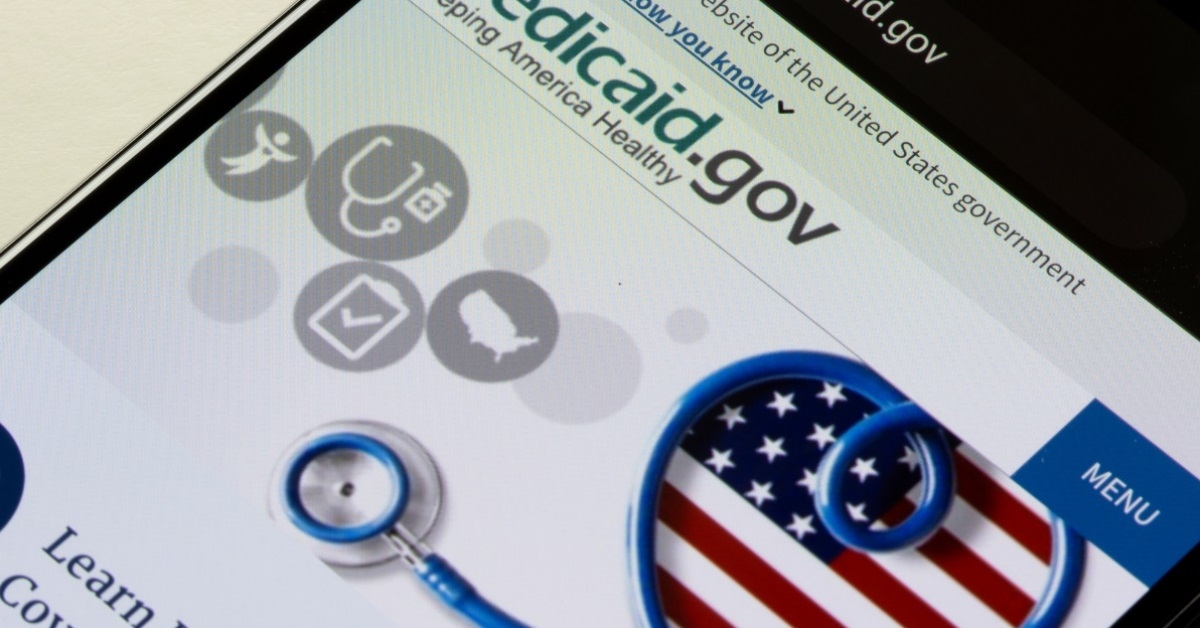
The Medicare.gov website is home to a tool that lets you input information about your medications and preferred pharmacies as you compare costs from plan to plan.
This free tool helps you narrow down your options until you find the right plan.
Retirement News: Almost 80% of Americans fear a retirement age increase — here’s the real reason why
Check eligibility for assistance
As mentioned earlier, Medicare offers financial help for those who are struggling to afford their medications.
Through the Extra Help program, you make an appointment to receive assistance from a Medicare representative. Officials recommend you gather important documents for you and your spouse before this process, including:
- Bank statements
- Tax returns
- Individual retirement account (IRA) or 401(k) account balance information
- Any statements related to pensions, Veterans Affairs benefits, annuities and Railroad Retirement Board benefits
Prepare now for Medicare open enrollment
As mentioned previously, Medicare open enrollment kicks off on Oct. 1. During this period, you have the opportunity to switch to a new Medicare Advantage plan and choose a new drug plan.
Or, if you prefer, move from Medicare Advantage to Original Medicare.
Any changes you make become effective on Jan. 1, 2027. Now is the time to think about your Medicare needs for next year.
Bottom line
Medicare costs are likely to increase next year for some Americans, but it is still possible to keep your costs down.
For example, government officials have emphasized that most Medicare beneficiaries have the option of choosing a plan that keeps their monthly premium cost increase to $10 or less.
Use the upcoming open enrollment period to make tweaks to your Medicare coverage that strengthen your overall retirement plan.
More from FinanceBuzz:
- Retire like the rich: 14 ways you could build wealth in your 50s.
- Find out if you could pay less for car insurance in just a few clicks.
- Make these 7 savvy moves when you have $1,000 in the bank.
- 14 moves seniors could benefit from but often forget about.








- Huge discounts on travel, groceries, prescriptions and more
- Access to financial planning resources and health tools
- For a limited time, get 55% off 5-year plans