Add Us On Google

Across the country, a familiar pattern is playing out: cities with strong quality of life, outdoor recreation, and growing job bases are also seeing home values and rents climb faster than household incomes. For retirees weighing a relocation, that combination matters just as much as scenery or climate.
If you're concerned about your financial fitness, consider that these 10 cities could become unaffordable by 2030.
Editor's note: Average rent and home value figures come from Zillow. Cost of living figures come from Sperling's BestPlaces.
Now Available: The Definitive Guide to Retirement Income
Many successful investors eventually reach the same moment. The saving is done, the portfolio is built, and the question quietly changes from how much can I grow this to how much can I take out? Get that second question wrong and decades of good investing can come apart in a handful of years.
That is exactly what The Definitive Guide to Retirement Income helps answer.1 <p class="">Investing in securities involves a risk of loss. Past performance is never a guarantee of future returns. Investing in foreign stock markets involves additional risks, such as the risk of currency fluctuations. Guides are provided by Fisher Investments. The publisher may be compensated when readers request a guide.</p> It covers what your retirement could actually cost, which income sources are worth using, and the withdrawal math that decides whether the money lasts. It is free today from Fisher Investments. Read More Here ›
Austin, Texas
Average rent: $1,571
Average home value: $491,960
Austin's identity is built on college-town energy, a lively live-music and arts scene, and waterfront parks and hike-and-bike trails along the Colorado River and Lake Austin downtown. Hill Country terrain nearby adds another layer of outdoor recreation that keeps demand for housing steady.
That popularity shows up in the numbers. The cost of living index sits at 129.1, or 29.1% above the national average, and average home values are already near $492,000. Texas has no state income tax and does not tax Social Security benefits, which helps retirement budgets, but it also means rising housing costs are not offset by tax relief elsewhere.
A regional hospital and health system network serves the Austin area. With demand for the city's cultural and outdoor amenities showing no signs of easing, affordability pressure here looks likely to persist rather than fade.
Raleigh, North Carolina
Average rent: $1,572
Average home value: $424,663
Raleigh blends college-town energy with waterfront parks and greenway trails along the Neuse River, which links parks, greenways, and open space across the city and county. As North Carolina's capital, it also carries a steady mix of government, tech, and research-driven activity that shapes an amenity-rich pace of life.
North Carolina does not tax Social Security benefits. Raleigh's cost of living index of 105.8 sits close to the national average today, but with average home values above $424,000, the gap between wages and housing costs is one to watch.
A regional health system with multiple hospital campuses serves the Raleigh area, offering general, surgical, and specialty care. The research and government-driven job base gives the city a steady hum of growth that could keep housing demand elevated in the years ahead.
Tampa, Florida
Average rent: $1,930
Average home value: $375,619
Downtown Tampa sits along the Hillsborough River, with a Riverwalk path connecting parks, attractions, and public spaces along the water. The city is bordered by Old Tampa Bay and Hillsborough Bay, giving it a waterfront setting, while area colleges add a college-town pulse to a downtown that mixes historic architecture with newer high-rises.
Florida has no state income tax and does not tax Social Security benefits, a real advantage for retirees on fixed incomes. Still, the cost of living index of 104.2 and an average rent above $1,900 show that Tampa's waterfront appeal already carries a premium.
Multiple regional hospital systems serve the greater Tampa area, offering a range of general and specialty services. With its blend of water access and urban amenities, Tampa's rental and ownership markets both look likely to stay under pressure.
Released: The Definitive Guide to Retirement Income (Sponsor)
Most people spend their entire working lives focusing on one thing: growing a pile of money. Then they retire and discover the skill they actually need is close to the opposite. Turning that pile into steady income, year after year, through good markets and bad, without ever running out. It may be the least discussed and most consequential transition in personal finance, and plenty of otherwise careful investors walk into it with no real plan.
That is exactly what The Definitive Guide to Retirement Income helps answer.1 <p class="">Investing in securities involves a risk of loss. Past performance is never a guarantee of future returns. Investing in foreign stock markets involves additional risks, such as the risk of currency fluctuations. Guides are provided by Fisher Investments. The publisher may be compensated when readers request a guide.</p> It is a free guide from Fisher Investments covering what your retirement will really cost, where the cash flow should come from, and how much you can safely withdraw each year. Learn More Here ›
Phoenix, Arizona
Average rent: $1,571
Average home value: $404,067
Desert mountain scenery frames Phoenix, with peaks such as Camelback Mountain and South Mountain rising within city limits alongside hiking and biking trails. The normally dry Salt River runs through town, and college-town energy from a local university adds cultural and sports activity to a warm, sunny desert climate.
Arizona does not tax Social Security benefits, a point in the state's favor for retirees. The cost of living index stands at 113, about 13% above the national average, reflecting steady demand for the kind of indoor-outdoor lifestyle Phoenix offers.
A regional hospital and health system network serves the metro area. As more retirees are drawn to the climate and mountain access, the city's housing market could see continued upward pressure.
Charlotte, North Carolina
Average rent: $1,729
Average home value: $389,648
Charlotte is a major banking and financial center, which gives the city a steady, corporate-driven economic identity. Running through the heart of the city, Little Sugar Creek is paralleled by a paved greenway and trail corridor that links parks and neighborhoods for walking, biking, and recreation.
North Carolina does not tax Social Security benefits. Charlotte's cost of living index of 102.5 is only modestly above the national average today, but a concentrated financial-sector job base tends to bring sustained population growth, which could tighten housing supply over time.
A regional health system with multiple hospital campuses serves the Charlotte area. The city's corporate growth is a factor worth watching for anyone banking on long-term affordability.
Denver, Colorado
Average rent: $1,855
Average home value: $520,947
Downtown Denver sits at the confluence of the South Platte River and Cherry Creek, with an urban trail network following both waterways. The city offers college-town energy from area campuses, an art museum, and skyline views toward the nearby Rocky Mountain foothills.
Colorado is one of the few states that taxes Social Security benefits, though residents age 65 and older can fully deduct them. The state applies a flat 4.4% tax to taxable income. Meanwhile, the cost of living index here is 127.6, or 27.6% above the national average, and average home values already approach $521,000.
A regional hospital and health system serves the metro area. With mountain views and river trails drawing steady interest, Denver's housing costs show little sign of easing.
Salt Lake City, Utah
Average rent: $1,571
Average home value: $568,970
Salt Lake City carries college-town energy from a local campus and research community, along with an art museum and performing-arts venues downtown. Waterfront parks and trails line the Jordan River, and the Wasatch Range rises immediately east of the city, offering a dramatic backdrop for daily life.
Utah is one of a small group of states that taxes Social Security benefits, applying its flat 4.45% income tax rate for the 2026 tax year. The cost of living index of 121.3 runs 21.3% above the national average, and average home values approach $569,000 even though the average rent remains comparatively modest.
Multiple hospital systems, including an academic medical center, serve the area. The gap between relatively affordable rent and high home values suggests ownership costs could be the bigger long-term concern here.
Fort Collins, Colorado
Average rent: $1,959
Average home value: $554,735
College-town energy shapes daily life in Fort Collins, with the Cache la Poudre River running through town, lined by parks and trails. The city sits at the foothills of the Rocky Mountains, offering easy access to outdoor recreation that draws students and retirees alike.
Colorado taxes Social Security benefits, but it fully exempts them for residents age 65 and older, so most retirees owe nothing on that income. The cost of living index of 115.7 and average home values nearing $555,000 still show that Fort Collins carries real cost pressure alongside its scenic appeal.
A regional health system with multiple facilities serves residents in and around the area. The combination of college-driven population growth and mountain access could keep pushing housing costs upward.
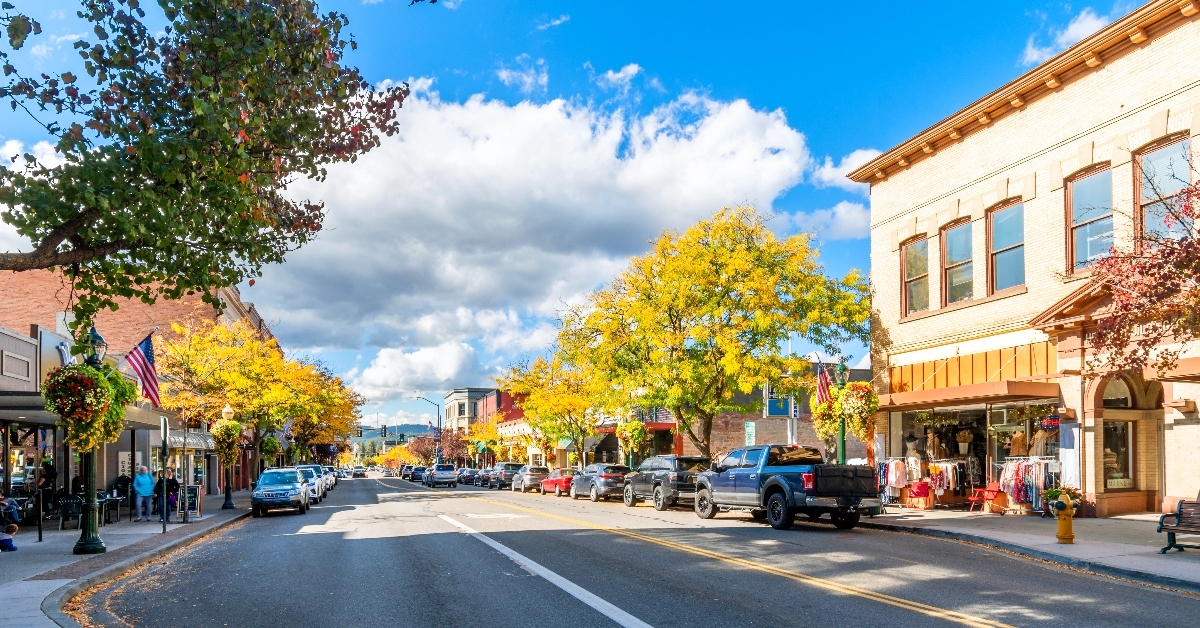
Spokane, Washington
Average rent: $1,483
Average home value: $392,803
College-town energy from multiple area colleges blends with a waterfront setting in Spokane, where the Spokane River runs through downtown past a riverfront park, supporting parks and trails along its banks and basalt gorge. The surrounding Inland Northwest adds nearby lakes and outdoor recreation to the mix.
Washington has no state income tax, so Social Security benefits go untaxed, a meaningful advantage for retirees. The cost of living index of 103.1 is only modestly above the national average, with an average rent of $1,483 and average home values just below $393,000.
Regional hospital systems with multiple facilities serve the greater Spokane area. Spokane looks affordable today, but its river setting and college presence are exactly the kind of draws that tend to push costs higher over time.
Get instant access to hundreds of discounts
Over 50? Join AARP today— because if you’re not a member you could be missing out on huge perks like discounts on travel, dining, and even prescriptions.
Get 25% off membership — just $15 for your first year with auto-renewal — and a free gift if you join today.
Greenville, South Carolina
Average rent: $1,564
Average home value: $328,460
Downtown Greenville's waterfront parks and trails line a river running through the city center, with the foothills of a nearby mountain range adding a scenic backdrop. A local college presence gives the area its own college-town energy, rounding out a setting that already draws steady retiree interest.
South Carolina does not tax Social Security benefits, though the state does have an income tax on other earnings. Greenville's cost of living index of 91.3 sits 8.7% below the national average, and average home values remain just above $328,000.
A regional health system in the city serves as a referral center for the broader upstate area, providing a wide range of medical services. That mix of below-average costs and scenic appeal is precisely what could put Greenville on a faster path toward higher prices by 2030.
Bottom line
None of these cities face a housing crisis today, but each carries growth drivers, whether a college presence, a river-and-mountain setting, or a concentrated industry base, that tend to push costs higher over time. Retirees considering any of them should weigh today's rent and home value figures against the pace of change already visible in local cost of living data.
The cities with cost of living indexes near or below the national average still leave room to plan. But the same features that make all 10 appealing to retirees are the ones most likely to keep demand and prices climbing. And while you're navigating your retirement finances, you might also want to look into some must-have investing apps.
This article is for informational purposes only and should not be considered investment advice.
More from FinanceBuzz:
- Retire like the rich: 14 ways you could build wealth in your 50s.
- Find out if you could pay less for car insurance in just a few clicks.
- Make these 7 savvy moves when you have $1,000 in the bank.
- 14 moves seniors could benefit from but often forget about.








- American Hartford Gold helps individuals protect their retirement by rolling over IRAs and 401(k)s into physical gold.
- Includes FREE IRA rollover and storage for up to 3 years.
- Get up to $20,000 in free silver on qualifying purchases.