Retirement Retired Life

9 Reasons Nobody Wants to Retire in Texas Anymore

Explore the reasons why Texas is losing its appeal for retirees.

man installing repairing a security camera
Updated Aug. 18, 2025
Fact check checkmark icon Fact checked
Google Logo Add Us On Google info

Texas offers multiple tax benefits for individuals aged 65 and over, including property tax breaks and no tax on Social Security benefits. The state also offers sunny skies and Southern hospitality. However, for those planning for retirement, these benefits alone aren't enough to draw retirees into the state. In fact, Texas is gaining a reputation as one of the worst states to retire.

Here are nine reasons why many people are reconsidering retirement in the Lone Star State.

Now Available: The Definitive Guide to Retirement Income

Many successful investors eventually reach the same moment. The saving is done, the portfolio is built, and the question quietly changes from how much can I grow this to how much can I take out? Get that second question wrong and decades of good investing can come apart in a handful of years.

That is exactly what The Definitive Guide to Retirement Income helps answer.1 It covers what your retirement could actually cost, which income sources are worth using, and the withdrawal math that decides whether the money lasts. It is free today from Fisher Investments. Read More Here ›

Health care is not ideal

Goran/Adobe unrecognizable doctor consulting to senior patient

When it comes to health care, Texas comes in last on a lot of national lists. The state is home to some world-class medical centers, such as Houston Methodist Hospital and UT Southwestern Medical Center; however, many residents find it challenging to access them. Long travel times and limited local options make it tough to access quality care.

On top of that, roughly 22% of Texans are uninsured, the highest rate in the nation. That lack of coverage doesn't just impact those without insurance — it puts extra pressure on the entire health care system, making it harder for everyone to get the care they need.

It ranks low in safety

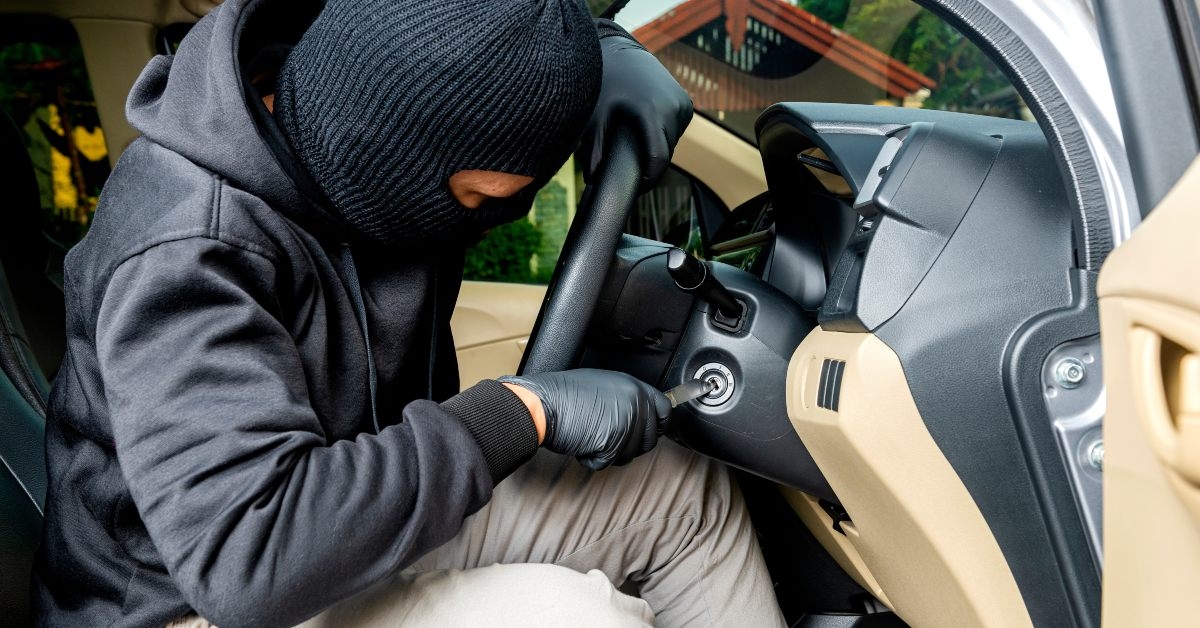
Leo Lintang/Adobe thief man trying to steal

Safety is a priority for retirees, allowing them to remain in their homes and to stay independent for as long as possible. Texas is one of the worst states for crime. Some cities, including Houston, Dallas, and San Antonio, have crime rates that are higher than the national average. For example, Houston's violent crime rate sits at 50.4%, more than double the national average.

Although there may be many safer rural areas in this state, the perception of growing crime can be a significant concern for retirees.

It's not that affordable

Deen Jacobs/peopleimages.com/Adobe couple on sofa with bills paperwork and insurance

One of the main selling points for Texas retirement is the lack of state income tax. While this benefit can help retirees keep more of their income at the end of the year, it's often offset by the high property tax rates. The rate in Texas is 1.63%, which is higher than the national average of 0.9%.

Housing costs have also surged in many Texas cities, making it harder for retirees on fixed incomes to find affordable options. Add in the rising price of homeowner's insurance, groceries, and utilities, and day-to-day living can quickly stretch a retirement budget thin.

Released: The Definitive Guide to Retirement Income (Sponsor)

Most people spend their entire working lives focusing on one thing: growing a pile of money. Then they retire and discover the skill they actually need is close to the opposite. Turning that pile into steady income, year after year, through good markets and bad, without ever running out. It may be the least discussed and most consequential transition in personal finance, and plenty of otherwise careful investors walk into it with no real plan.

That is exactly what The Definitive Guide to Retirement Income helps answer.1 It is a free guide from Fisher Investments covering what your retirement will really cost, where the cash flow should come from, and how much you can safely withdraw each year. Learn More Here ›

Weather can be extreme

oobqoo/Adobe extreme heavy rain storm weather

Texas is famous for its warm, sunny climate, with an average annual temperature of 65.8°F, making it the fourth-hottest state in the nation. Summers can be scorching, though, with August highs ranging from 93°F to 101°F.

Texas is also prone to tornadoes and hurricanes. In fact, since 1950, the state has recorded more than 9,900 tornadoes, averaging about 135 each year.

These extreme weather patterns pose risks not only for your own personal safety but also for your wallet. Storm damage potential drives up homeowner's insurance rates, and in some cases, makes coverage harder to secure. For retirees on a fixed income, those added costs can make the "sunny Texas retirement" dream feel a lot less affordable.

Communities tend to focus on younger people

Halfpoint/Adobe volunteers working in community charity

The average age of the population in Texas is 34.4 years, which is slightly younger than the national average of 37.8. When the population is younger, community resources and activities tend to focus on working professionals and families, rather than retirees.

Social isolation and loneliness are often contributors to the overall health and well-being of older people.

Outdoor recreational activities are limited

InsideCreativeHouse/Adobe wife and husband sit on couch using computer

Texas is one of the largest states in the country. This would lead one to believe there are endless opportunities for activities and exploring. The reality is that over 95% of land in Texas is privately owned.

People who enjoy being outdoors and love hiking, fishing, and exploring have limited options. Regardless of where you live, you may have to drive for hours to find recreational activities that interest you.

Walkability is an issue in most of the state

Monkey Business/Adobe senior couple in sports car

While there are plenty of cities, like San Antonio, that are considered walkable, most Texas residents rely on a car. Studies have shown that many older adults care about walkability scores, not only for fitness but also as a means of transportation.

Some older people lose the ability or desire to drive. Lack of public transportation can leave them stranded and isolated in their homes in many parts of Texas.

Air and water quality are low

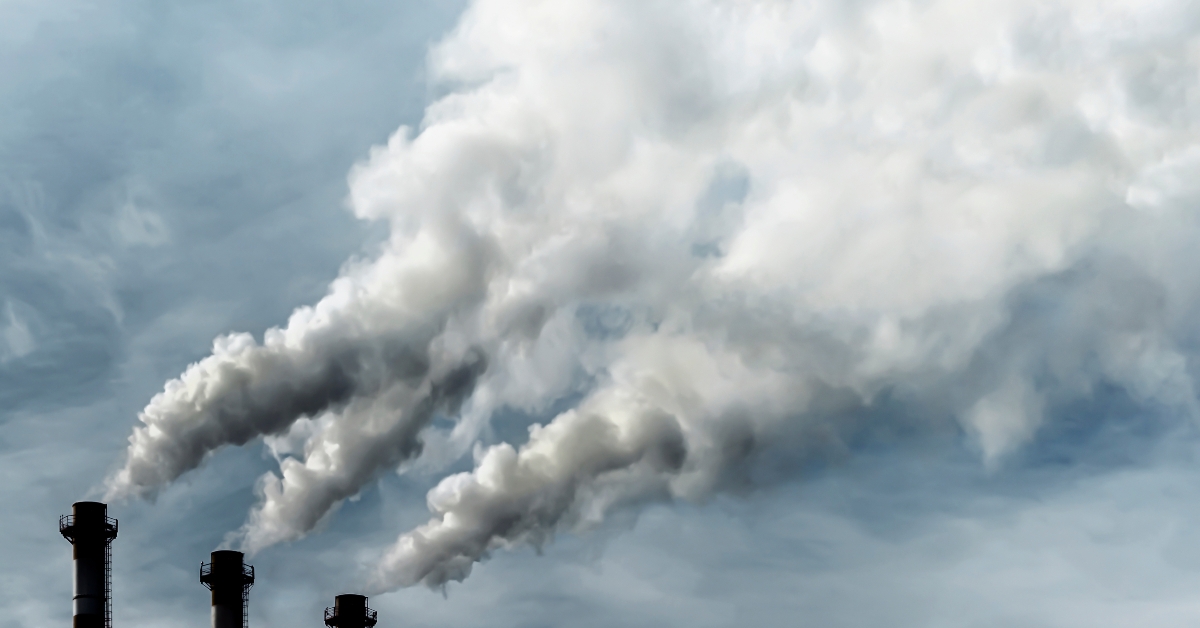
OlgaKorica/Adobe dark chimneys blowing huge billows of smoke

Texas is a top state for business and industry. While this is great for the economy, it often comes at an environmental cost. According to data from the Environmental Protection Agency (EPA), approximately 66% of Texas residents are exposed to unsafe air. The state has also received more than 15,000 water violations between 2021 and 2025 from the EPA.

For a state lacking adequate health care, this is a major concern for residents.

Political culture may not align with your values

Семен Саливанчук/Adobe politicians sitting at table during conference

Texas is a conservative state that pushes toward traditional morals and values, including placing restrictions on LGBTQ+ rights and having strict abortion laws. It also promotes permissive gun ownership. This political culture can be a major deterrent for potential residents who may find this type of environment unwelcoming and even hostile.

On the other hand, because some of the more affordable cities, such as Corpus Christi, tend to be more liberal, many retirees may feel underrepresented and find life in another state more appealing.

Get instant access to hundreds of discounts

Over 50? Join AARP today— because if you’re not a member you could be missing out on huge perks like discounts on travel, dining, and even prescriptions.

Get 25% off membership — just $15 for your first year with auto-renewal — and a free gift if you join today.

Become an AARP member now

Bottom line

olezzo/Adobe active retirees lifestyle and travel

Choosing the ideal place for a stress-free retirement can be a challenging decision that requires careful consideration. While Texas does seem to offer a few perks, such as abundant sunshine and no tax on Social Security benefits, numerous other concerns make it a less desirable option.

When considering a place to retire, think about what matters most, such as proximity to family, cost of living, climate, and activities. Taking the time to weigh these factors before making a final decision can help ensure you're truly happy with your choice.

AARP Benefits
  • Huge discounts on travel, groceries, prescriptions and more
  • Access to financial planning resources and health tools
  • Join AARP and get 25% off with automatic renewal


Financebuzz logo

Thanks for subscribing!

Please check your email to confirm your subscription.